

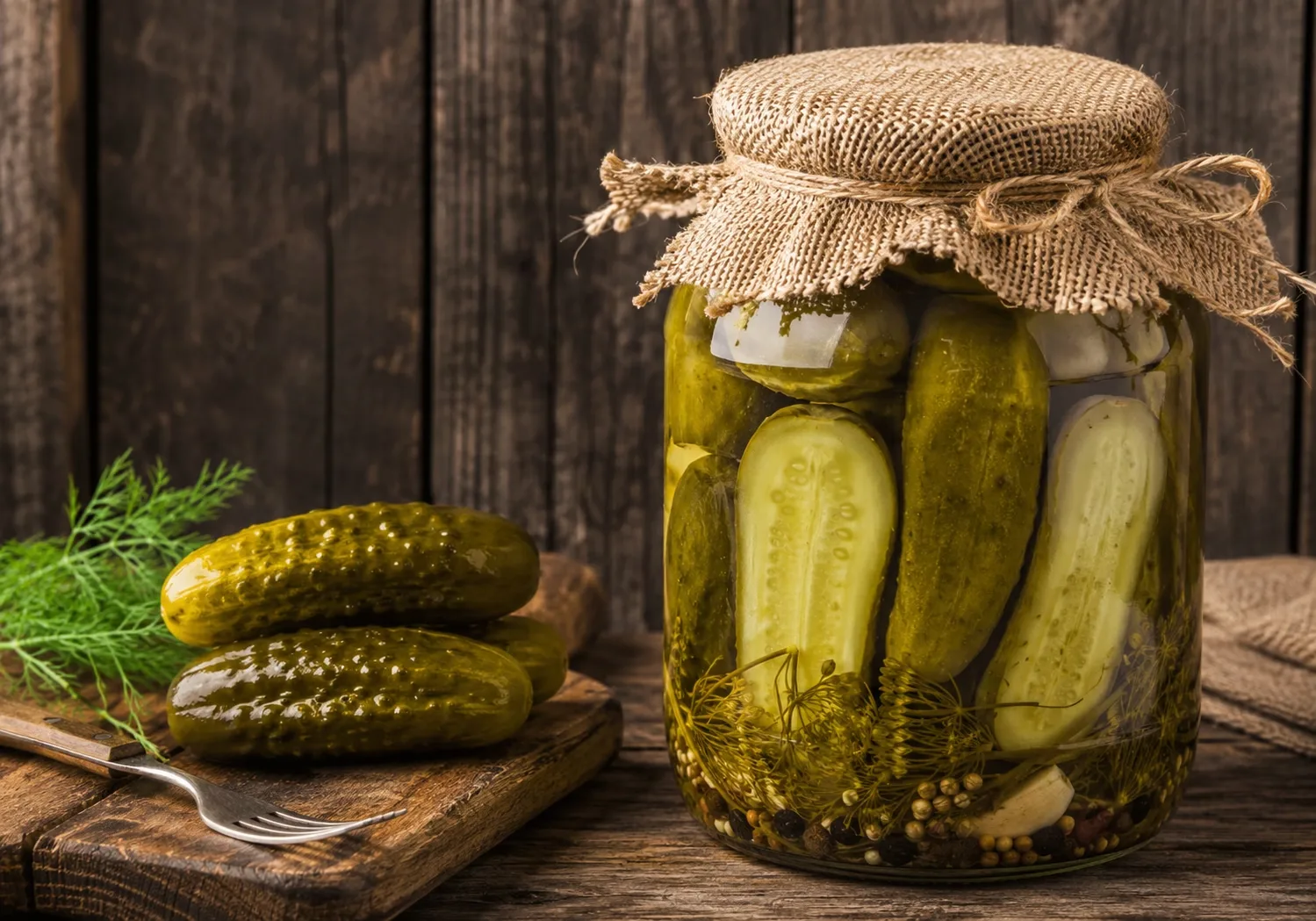
Long before refrigerators existed, we preserved our food with one of nature’s most elegant methods: fermentation. Through the collaboration of salt, time, temperature, and microorganisms, this ancient technique not only extended shelf life but also shaped cultures, flavor memories, and health practices. Today, modern consumers are returning to this time-honored tradition. But this revival is not merely driven by nostalgia—fermented foods are now at the heart of sustainable and healthy food systems for the future.
1. The Deepening Layers of Flavor
Fermented products—whether sauerkraut, kimchi, or homemade yogurt—stand out not just for their taste but for their sensory diversity. Acidity, umami, subtle fizziness, and rich textures make fermented foods irresistible to modern palates tired of uniform flavors. Today’s consumers seek “naturalness” and “authenticity,” and fermented foods deliver both traditional production methods and flavors with a story.2. Shelf Life: Nature’s Protective Power
One of fermentation’s greatest strengths is its ability to make food resistant to spoilage without chemical additives. This feature offers a lifeline to a food industry grappling with logistics and waste challenges:- Reduced dependence on cold chains.
- Increased flexibility in supply chains.
- Lower carbon footprints.
3. Cultural Continuity and Identity Preservation
Fermented foods are more than just products; they are carriers of cultural memory. Region-specific recipes, generational techniques, and family-unique blends are all part of a community’s flavor heritage. The renewed interest among younger generations in these recipes signals the reshaping of cultural continuity and local production in the digital age. Social media posts about “grandma’s recipe” pickles, slow food festivals, and heirloom seed movements are evidence of this transformation.4. Next-Generation Pickling and Fermented Food Brands
Fermentation is no longer confined to home kitchens—it’s now on the radar of food entrepreneurs and brands. The new wave of pickling goes beyond traditional recipes, enriching the market with experimental flavors like beet kefir, onion kombucha, and truffle-infused kimchi. Additionally:- High-probiotic products,
- Beverages sweetened with fermented fruits instead of sugar,
- Vegan and gluten-free options
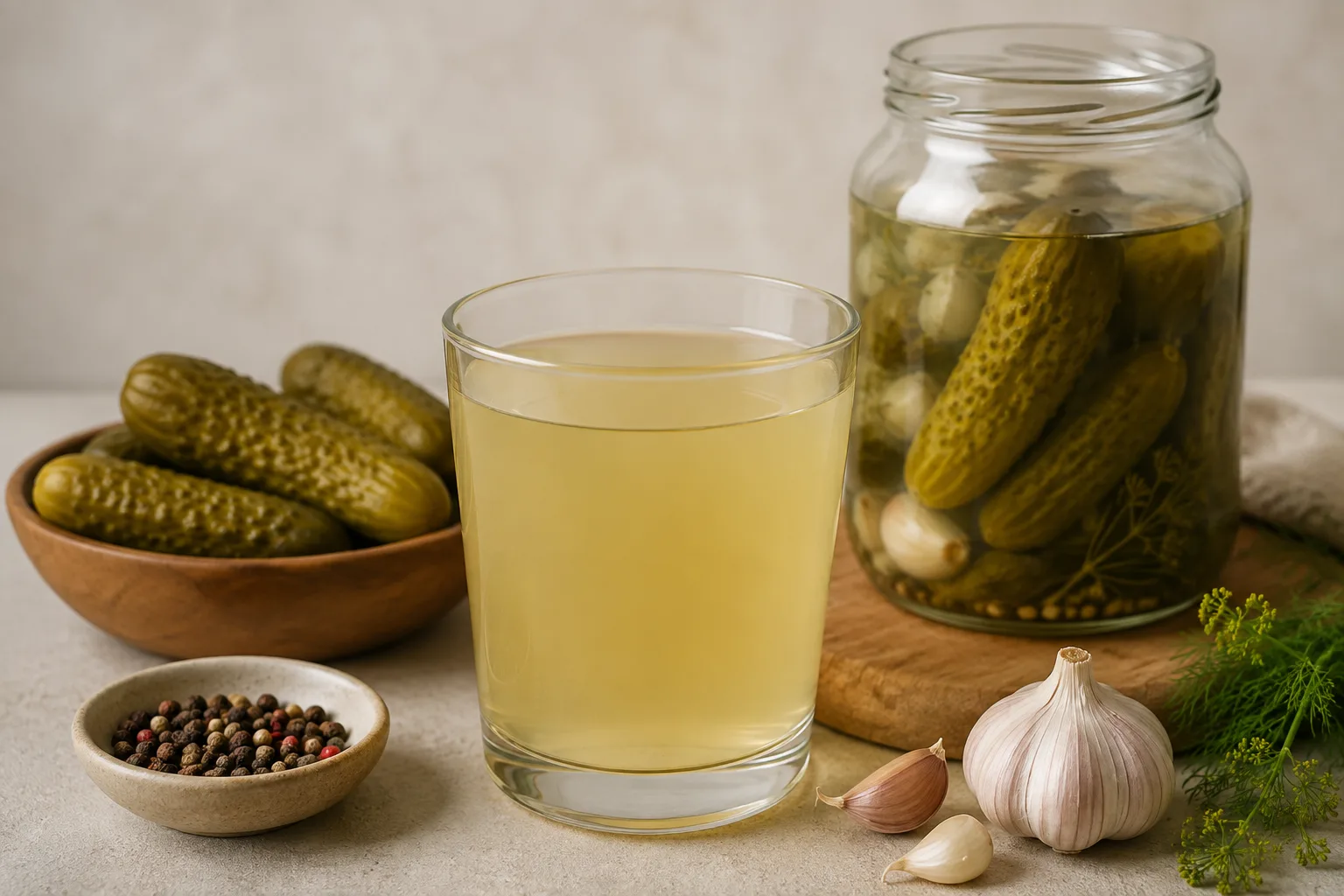 What Is Pickle Juice — and What Is It Good For?
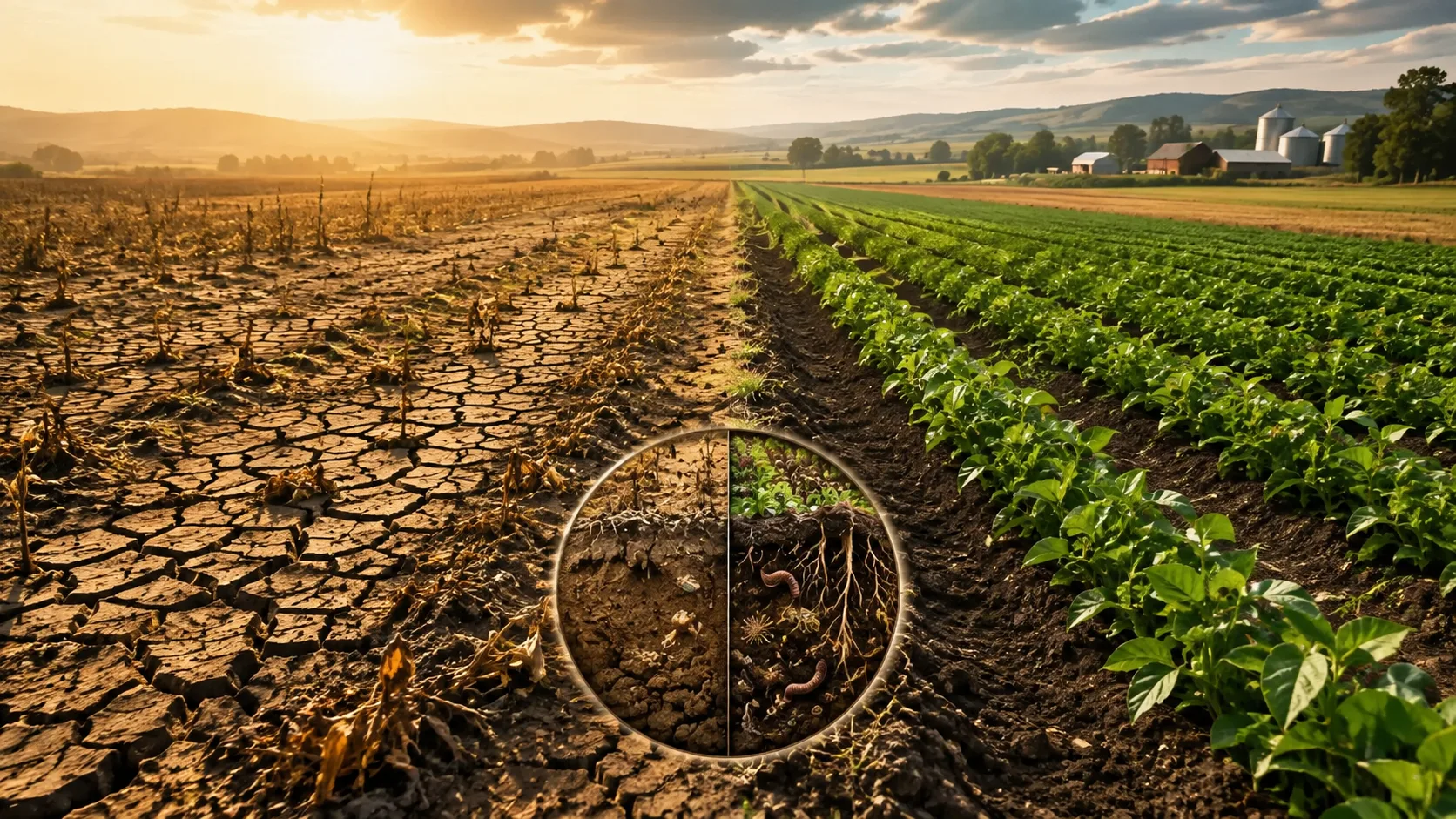 Soil Fatigue: The Silent Threat to Productive Agriculture
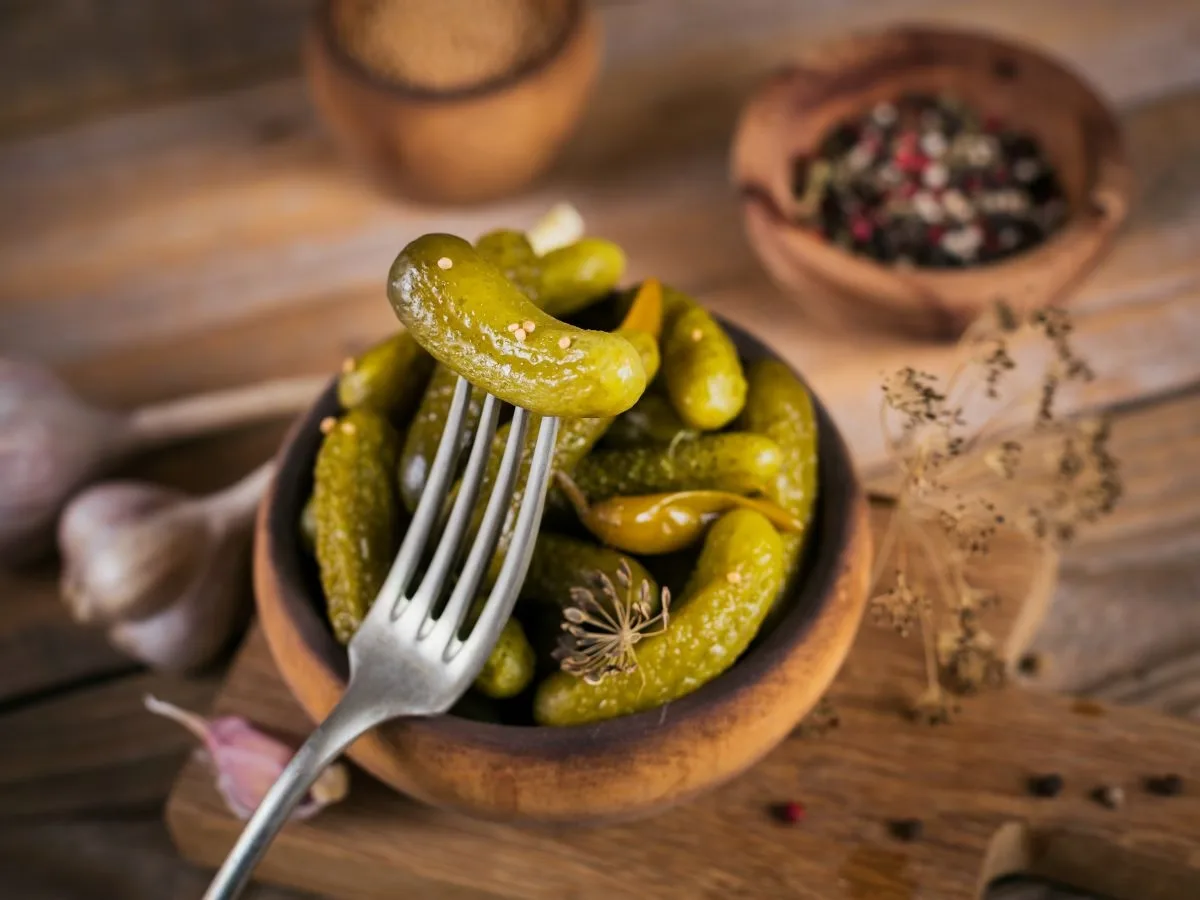 From Clay to Jar, From Steel Tanks to Modern Tables: The Evolving Journey of Pickle
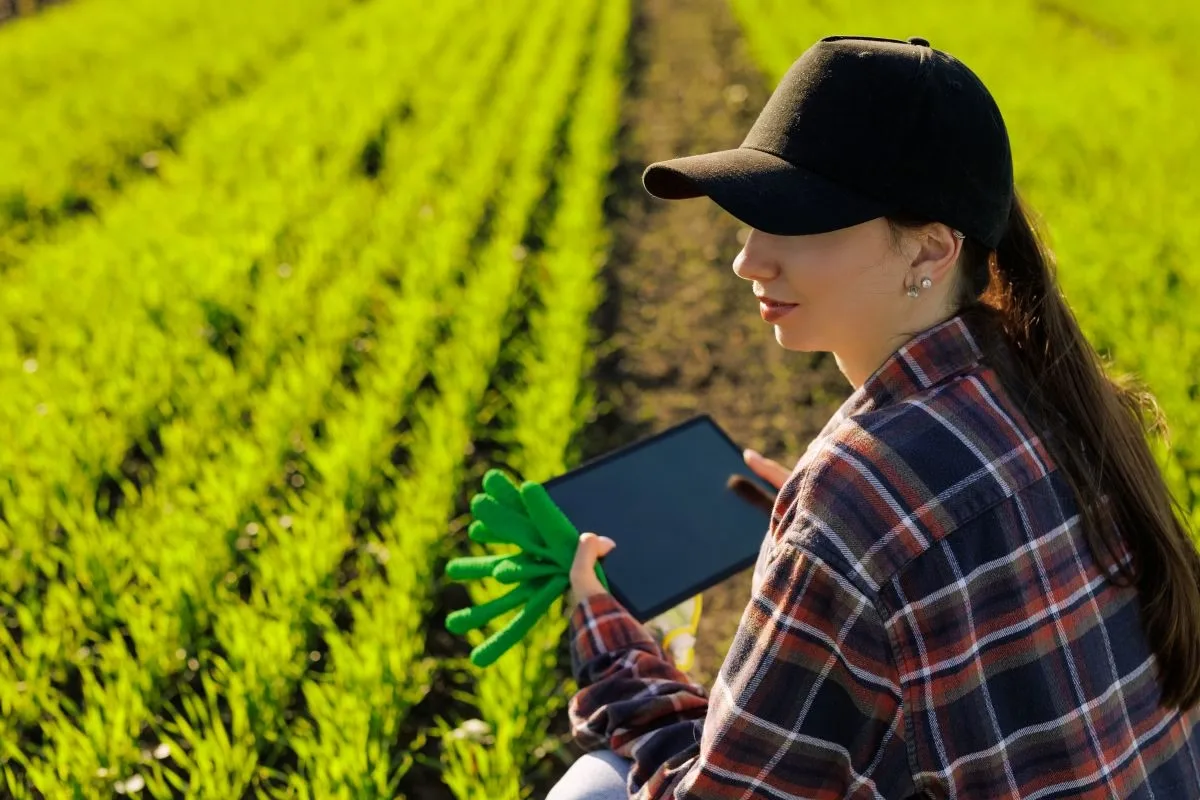 The Farmer’s New Assistant: AI-Powered Agricultural Decisions
 The Journey of a Drop of Water: The Importance of Water Efficiency in Food Production
 The Return of Fermented Cultures: Why Are Traditional Flavors Rising Again?