

Pickle juice is the brine vegetables ferment in — a mix of water, salt, spices and, often, natural fermentation — giving it a tangy, refreshing flavor. It's used as a drink, in soups and dishes, as a salad dressing, or for marinating, making it a versatile kitchen ingredient.
How Is Pickle Juice Made?
Pickle juice comes from soaking vegetables like cucumbers, corn or peppers in a salty brine. During natural fermentation, bacteria naturally present in the brine gradually transform the vegetable's sugars, producing that signature tangy taste — a liquid that both preserves the vegetable and carries a distinctive, refreshing flavor of its own.What Is Pickle Juice Used For?
There are several ways to put pickle juice to work in your kitchen:- As a drink: A cold sip of pickle juice is refreshing, especially on a hot day.
- In cooking: A few spoonfuls add tang and depth to soups, stews and sauces.
- In salad dressing: Whisked with olive oil, it makes a light, tangy dressing.
- For marinating: Briefly soaking meat or vegetables in pickle juice can add flavor and tenderness.
- For a new batch of pickles: Leftover pickle juice can be reused with freshly cut vegetables.
 Soil Fatigue: The Silent Threat to Productive Agriculture
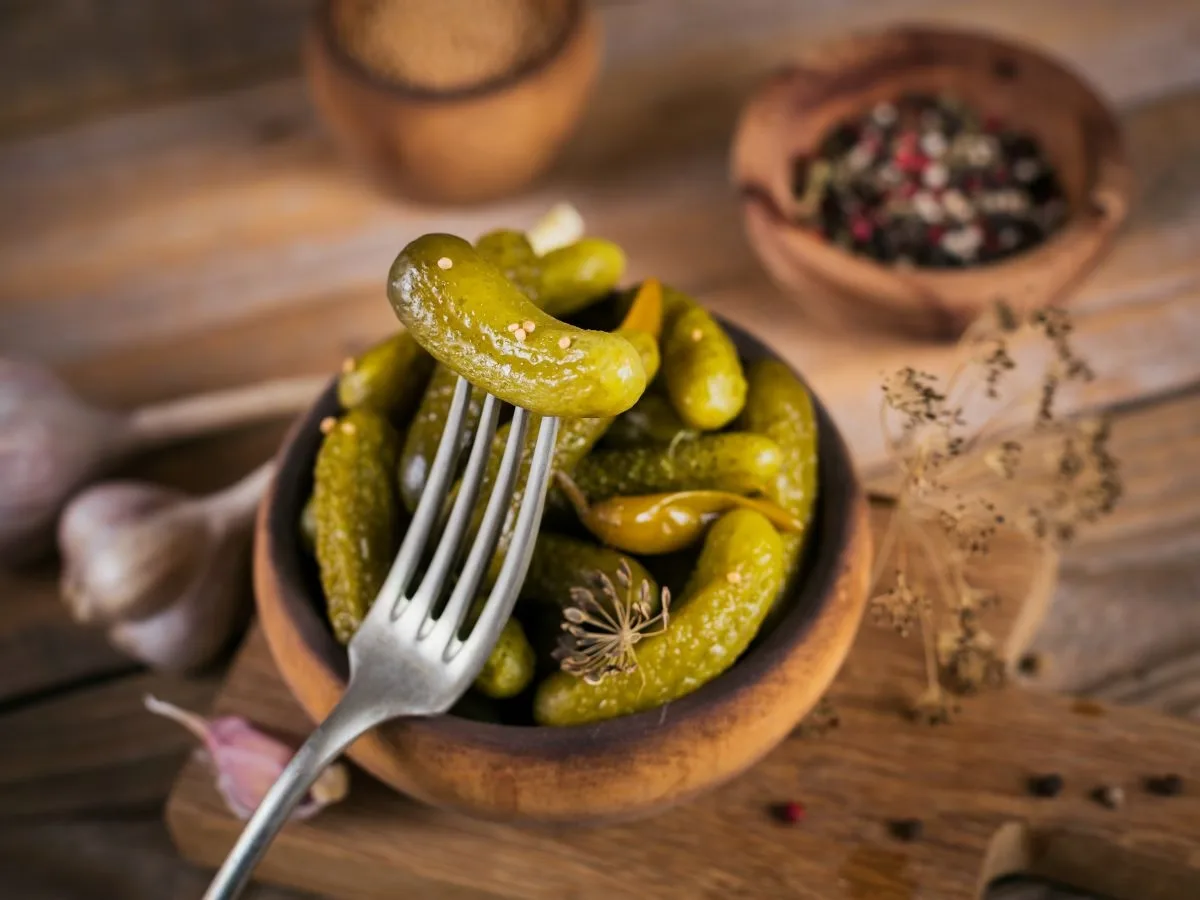 From Clay to Jar, From Steel Tanks to Modern Tables: The Evolving Journey of Pickle
 The Farmer’s New Assistant: AI-Powered Agricultural Decisions
 The Journey of a Drop of Water: The Importance of Water Efficiency in Food Production
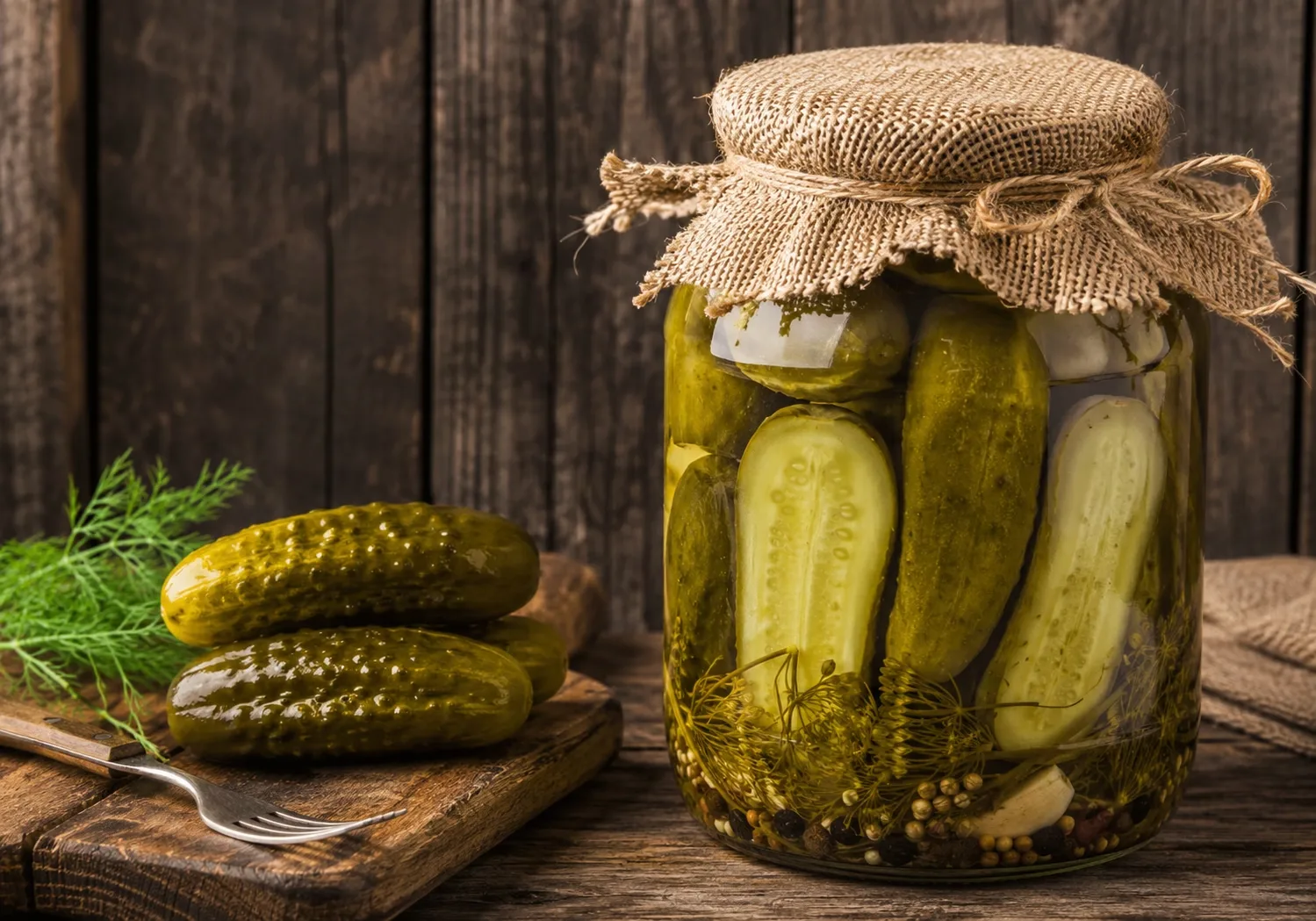 The Return of Fermented Cultures: Why Are Traditional Flavors Rising Again?
 The Right of Soil to Rest: Forgotten Natural Cycles in Modern Agriculture