

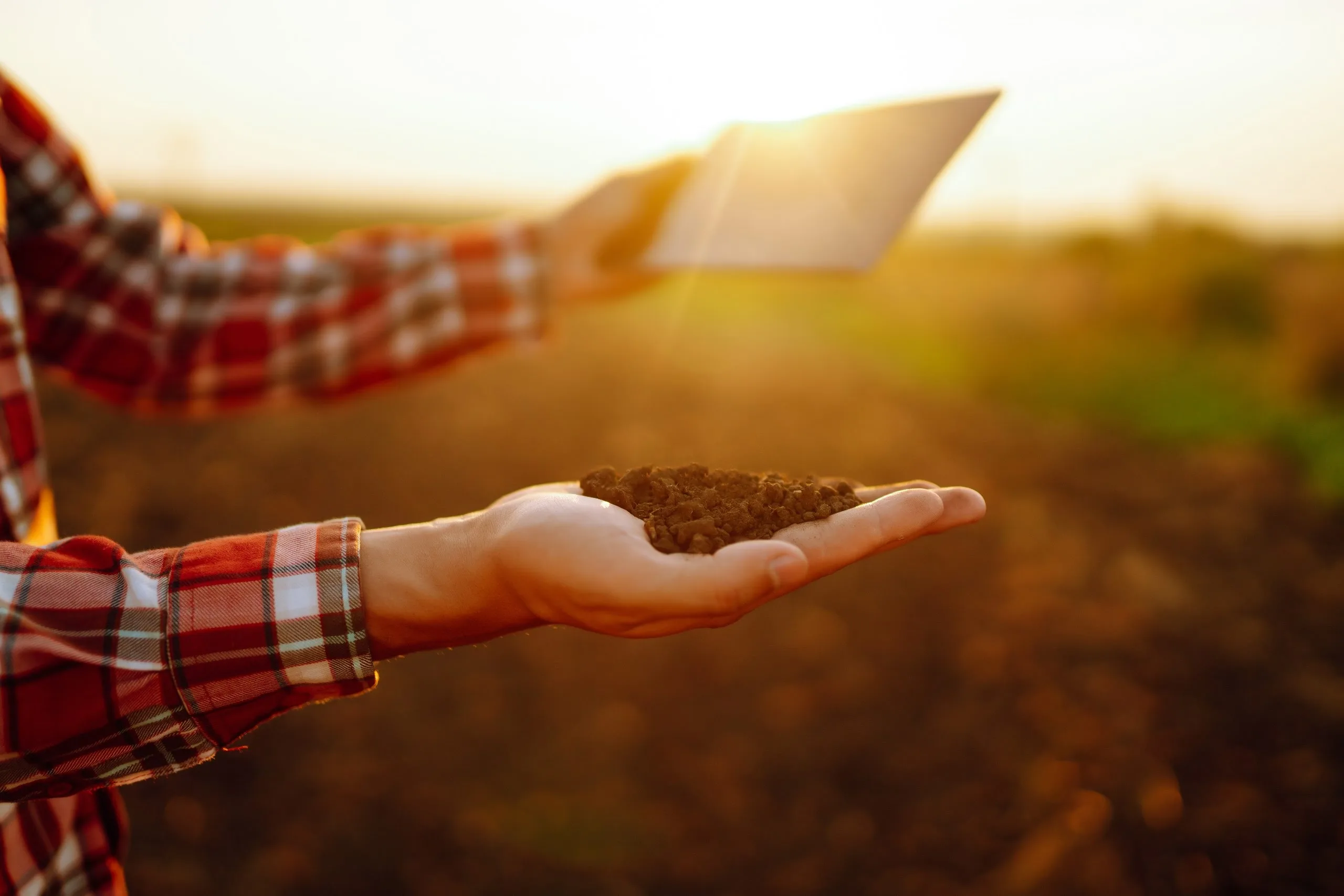
The foundation of all food production relies on that living, breathing blanket we walk over every day and often take for granted: the soil. However, the non-stop production pressure of the modern food system has pushed this silent partner to the brink of a massive crisis. In agricultural literature, the critical tipping point where farmers notice yields steadily dropping despite using the exact same fertilizers and seeds year after year is called "Soil Fatigue."
Causing crops to weaken when there is no visible disease or extreme drought in sight, this silent threat stands as one of the greatest battlegrounds for sustainable farming. So, why and how does soil actually get tired?
1. What is Soil Fatigue?
Soil fatigue is the disruption of the biological, chemical, and physical balance of an agricultural land resulting from planting the exact same plant species or crops from the exact same family back-to-back for long years (monoculture farming). At this stage, the soil becomes completely unresponsive, no matter how much synthetic fertilizer is pumped into it from the outside. Crops grow stunted, root systems fail to develop, and the land is left completely defenseless against diseases. The soil experiences a literal "burnout syndrome," much like a human body under chronic stress.2. The 3 Core Pillars Behind the Silent Threat
The process that tires the soil out and turns it into an infertile pile of dust advances on three fundamental pillars:- One-Sided Depletion of Nutrients (Chemical Cause): Every plant family sips a completely different balance of minerals and trace elements from the earth. For example, in a field where only corn is planted year after year, the specific minerals heavily consumed by corn run entirely dry. Even if other minerals are abundant, the balance is broken, leaving crops starved.
- Toxin Accumulation and Autotoxicity (Biochemical Cause): Just like any other living organism, plants release certain secretions (exudates) into the soil via their roots. When the same crop is continuously planted in the same spot, these root secretions build up to toxic levels. The plant begins to poison itself due to the residual leftovers of its own kind; this is known as autotoxicity.
- Becoming a Hotspot for Pathogens (Biological Cause): A specific plant disease or pest finds a permanent utopia when its host plant is constantly present in the field. While friendly microorganisms dwindle, harmful fungi, nematodes, and bacteria that threaten that specific crop anchor themselves deep into the soil.
3. Why Synthetic Quick Fixes Fail
When soil fatigue rears its head, the most common mistake made is overloading the field with more chemical fertilizers and pesticides. Heavy chemical use kills off the friendly mycorrhizal fungi and beneficial bacteria that deliver water and minerals to plant roots right beneath the surface. Consequently, the soil loses its biological vitality completely, becoming artificially dependent on industrial inputs.4. The Prescription to Revitalize Tired Soil
Soil fatigue is not an untreatable fate. Regenerative agriculture, which blends nature's own cycles with modern farming techniques, offers concrete paths to restore the soil’s strength:- Crop Rotation (Münavebe): Plants with completely different root depths and nutrient demands must be planted every year. For instance, planting nitrogen-fixing legumes (beans, chickpeas, alfalfa) right after a grain harvest that depleted the soil's nitrogen allows the land to rest and replenish itself naturally.
- Cover Crops and Green Manuring: The ground should never be left naked after the main crop is harvested. Cover crops that hold the soil tightly and enrich it with organic matter should be planted, and these plants should be tilled back into the earth during their flowering period to create a natural compost effect.
- Microbial Supplements: To revive the soil flora wiped out by chemical inputs, life underground must be restarted using biological solutions like beneficial microorganisms, compost teas, and organic worm castings (vermicompost).
 What Is Pickle Juice — and What Is It Good For?
 From Clay to Jar, From Steel Tanks to Modern Tables: The Evolving Journey of Pickle
 The Farmer’s New Assistant: AI-Powered Agricultural Decisions
 The Journey of a Drop of Water: The Importance of Water Efficiency in Food Production
 The Return of Fermented Cultures: Why Are Traditional Flavors Rising Again?
 The Right of Soil to Rest: Forgotten Natural Cycles in Modern Agriculture