

For centuries, agriculture relied on experiences passed down through generations, the color of the soil, the direction of the wind, and a farmer’s raw intuition. Today, however, sudden weather shifts brought by the climate crisis, shrinking water resources, and skyrocketing input costs have turned farming into a high-precision engineering discipline that can no longer be managed by mere guesswork.
Across fields worldwide, a new sound is accompanying the rumble of tractors: the sound of algorithms processing data. Artificial Intelligence (AI) is not the farmer’s rival; it is reshaping the future of food as the most powerful, visionary, and rapid assistant on the field. So, what exactly is AI-powered decision-making changing on the farm?
1. From Intuition to Data: Decision Support Systems
A farmer has to answer dozens of critical questions every single season: What day should I plant? Should I fertilize this week? When is the absolute best window for harvest? In the past, these questions were answered through trial and error. Today, AI-backed Decision Support Systems (DSS) melt down the last 30 years of meteorological data, real-time moisture/mineral reports from underground IoT sensors, and satellite imagery into a single pot. The farmer receives concrete notifications right on their smartphone, such as: "There is an 85% risk of frost in your region next Tuesday. It is recommended to pull your harvest plan forward by 2 days."2. Plant Health Through the Eyes of AI: Computer Vision
One of AI's greatest miracles in agriculture is "Computer Vision" technology. Drones flying above fields or cameras mounted directly onto tractors work in seamless integration with AI algorithms.- Early Diagnosis: Using a database packed with millions of plant disease images, the system instantly scans a single leaf for yellowing or spotting. It spots fungal infections or pest infestations invisible to the human eye before they can spread to even 1% of the field, sounding the alarm for the farmer.
- Pinpoint Intervention: In traditional farming, when a disease is spotted in an area, the entire field gets sprayed. AI-powered autonomous spraying robots, however, isolate the exact sick plant and spray only that spot. This slashes chemical use by up to 90%, cutting costs down significantly while saving the soil.
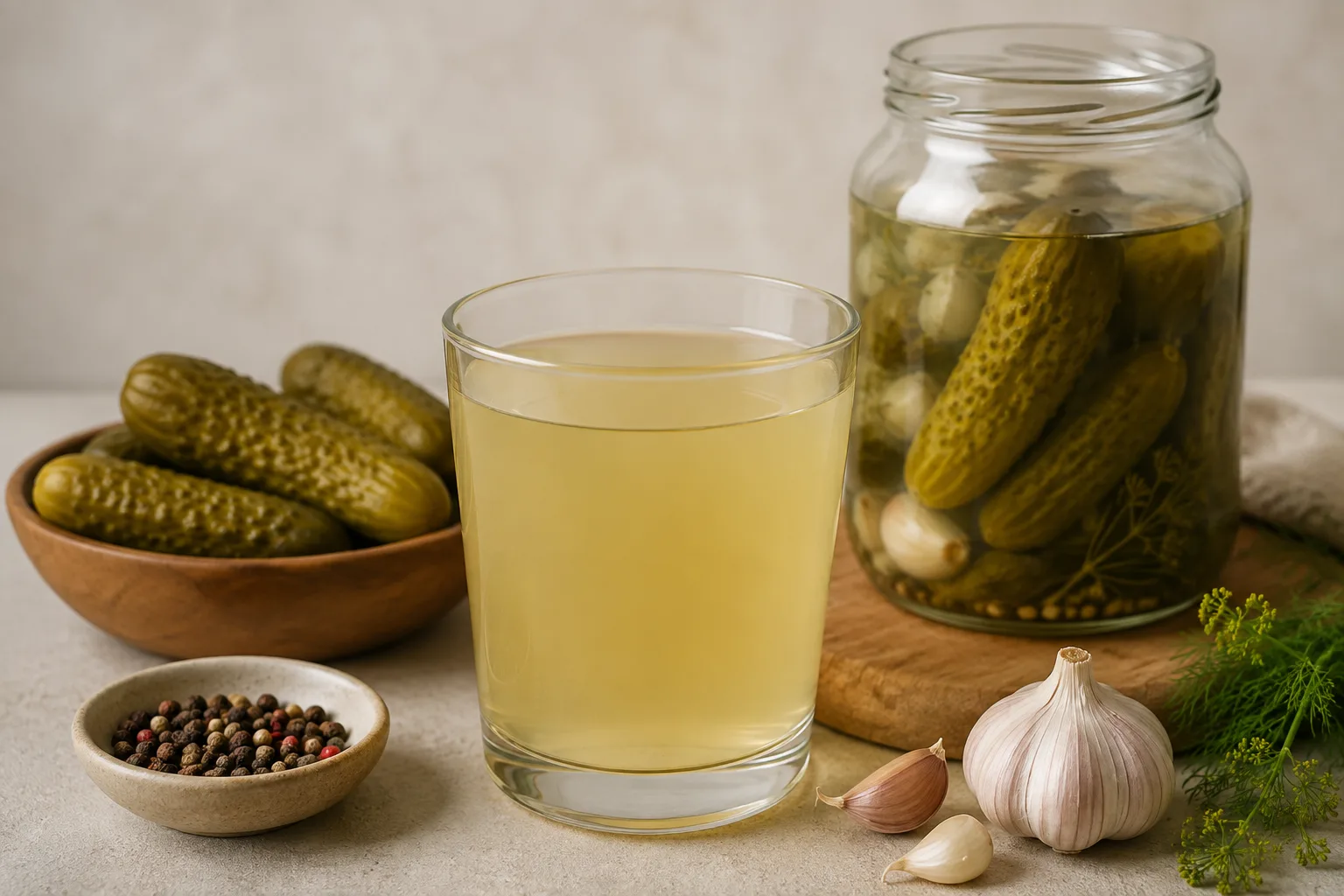 What Is Pickle Juice — and What Is It Good For?
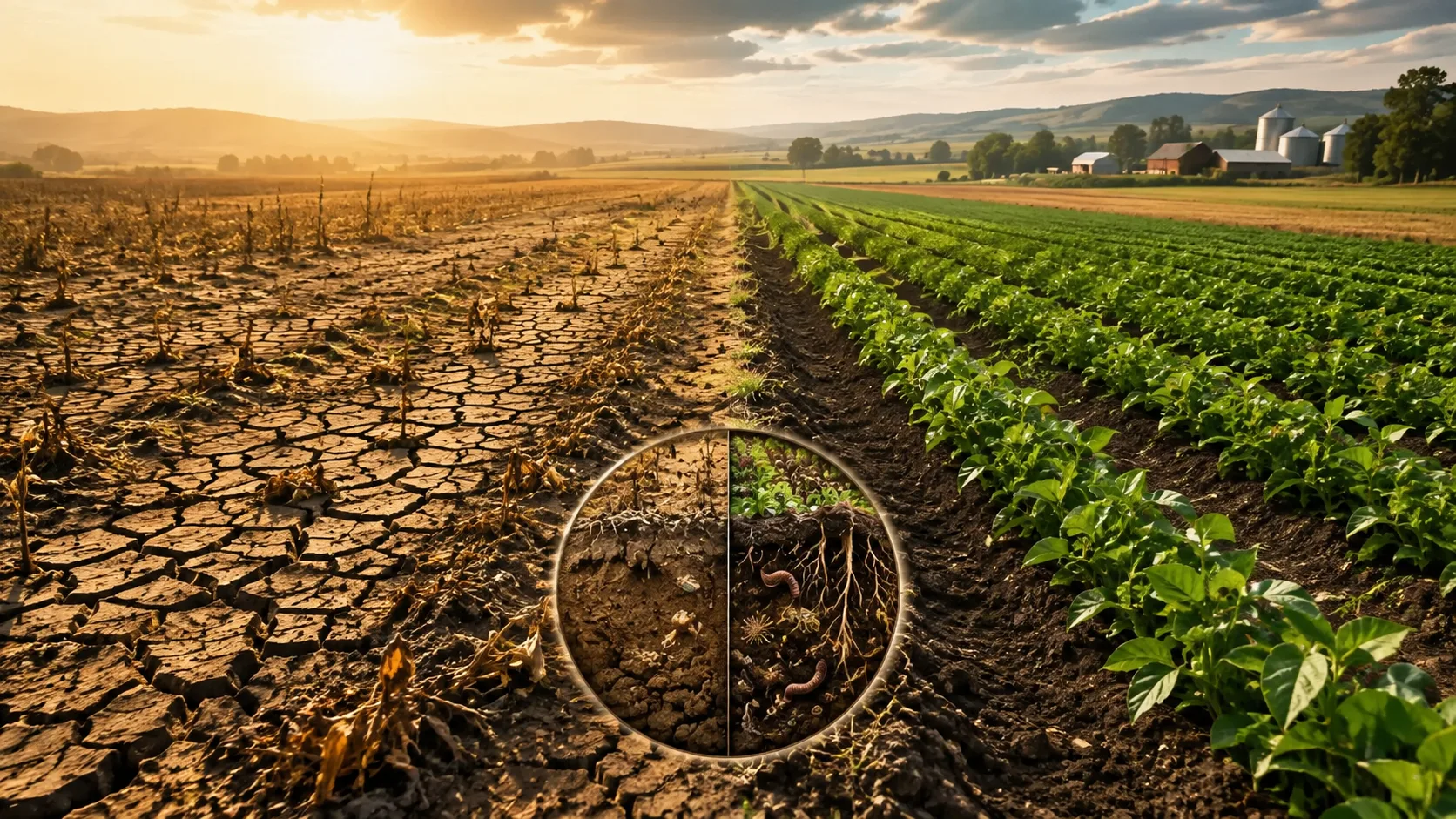 Soil Fatigue: The Silent Threat to Productive Agriculture
 From Clay to Jar, From Steel Tanks to Modern Tables: The Evolving Journey of Pickle
 The Journey of a Drop of Water: The Importance of Water Efficiency in Food Production
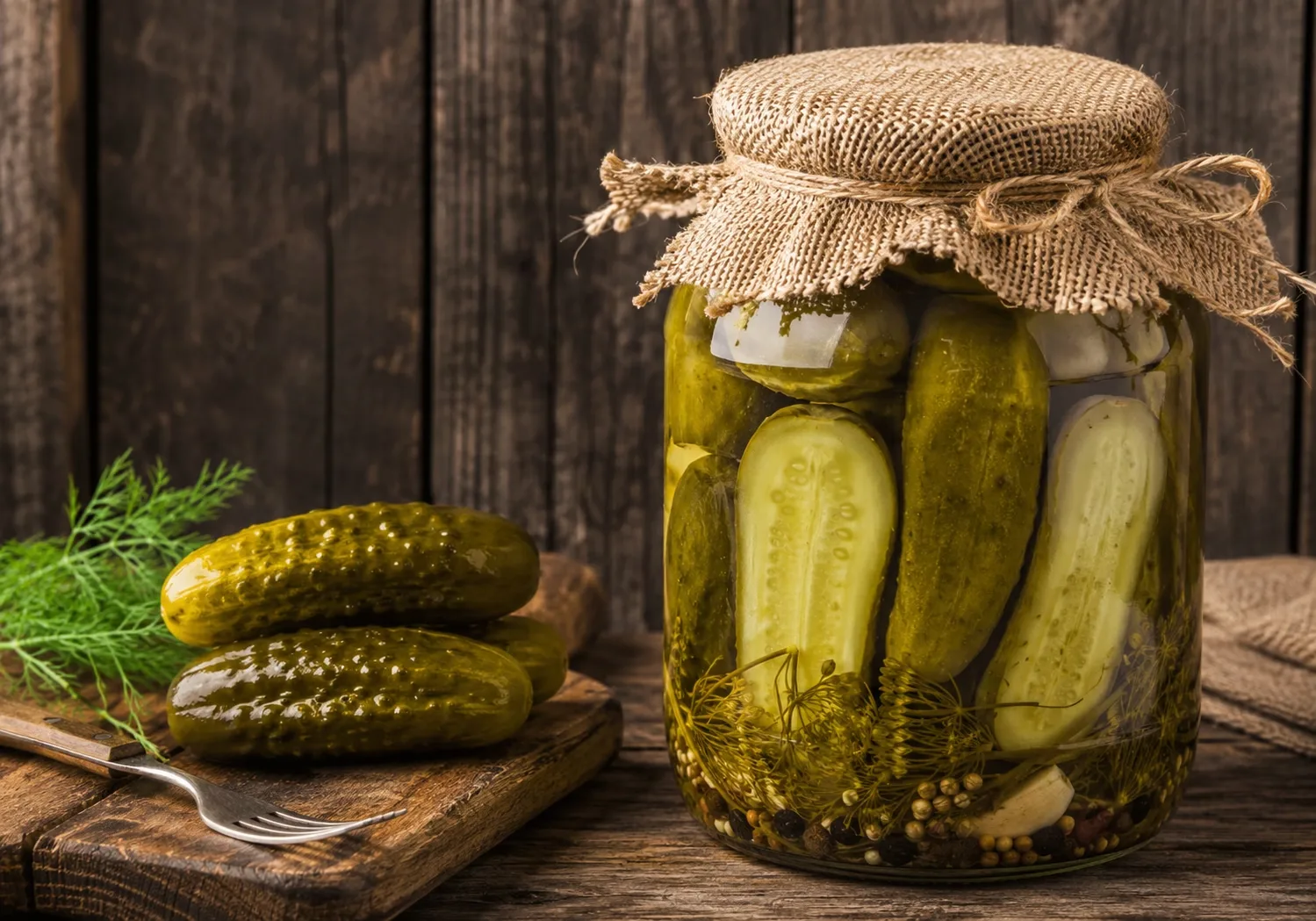 The Return of Fermented Cultures: Why Are Traditional Flavors Rising Again?
 The Right of Soil to Rest: Forgotten Natural Cycles in Modern Agriculture