
As global food production becomes faster, more efficient, and more intensive, a whisper-like concept is spreading amid this high-paced transformation: slow agriculture. Just as the “slow food” movement stands against fast food culture, slow agriculture reminds us that production can be harmonious with nature, sustainable, and respectful. So, how does this approach find its place within industrial production systems?
What is Slow Agriculture?
Slow agriculture refers to a production method that respects the natural cycles of soil, seasons, and plants, reduces chemical inputs, and preserves local diversity. The goal is not just to grow crops but to protect soil health, support biodiversity, and ensure long-term sustainable productivity. In this system, the producer collaborates with nature rather than dominating it. Agriculture is treated not as an "industry" but as a living cycle.Conflict and Harmony with Industrial Agriculture
Industrial production targets high yields, standardized quality, and low costs. However, this system often reduces nature to mere “data” and views soil solely as a production site. This is where slow agriculture steps in. While the two approaches may seem opposed at first glance, a hybrid of them offers a promising path for food security and sustainability. For example:- Industrial-scale farms can adopt slow agriculture principles such as crop rotation, compost use, and production with local varieties.
- Agricultural technologies (AgriTech) can be used to measure and optimize the effects of slow agriculture (e.g., soil health monitoring with sensors, water management).
 What Is Pickle Juice — and What Is It Good For?
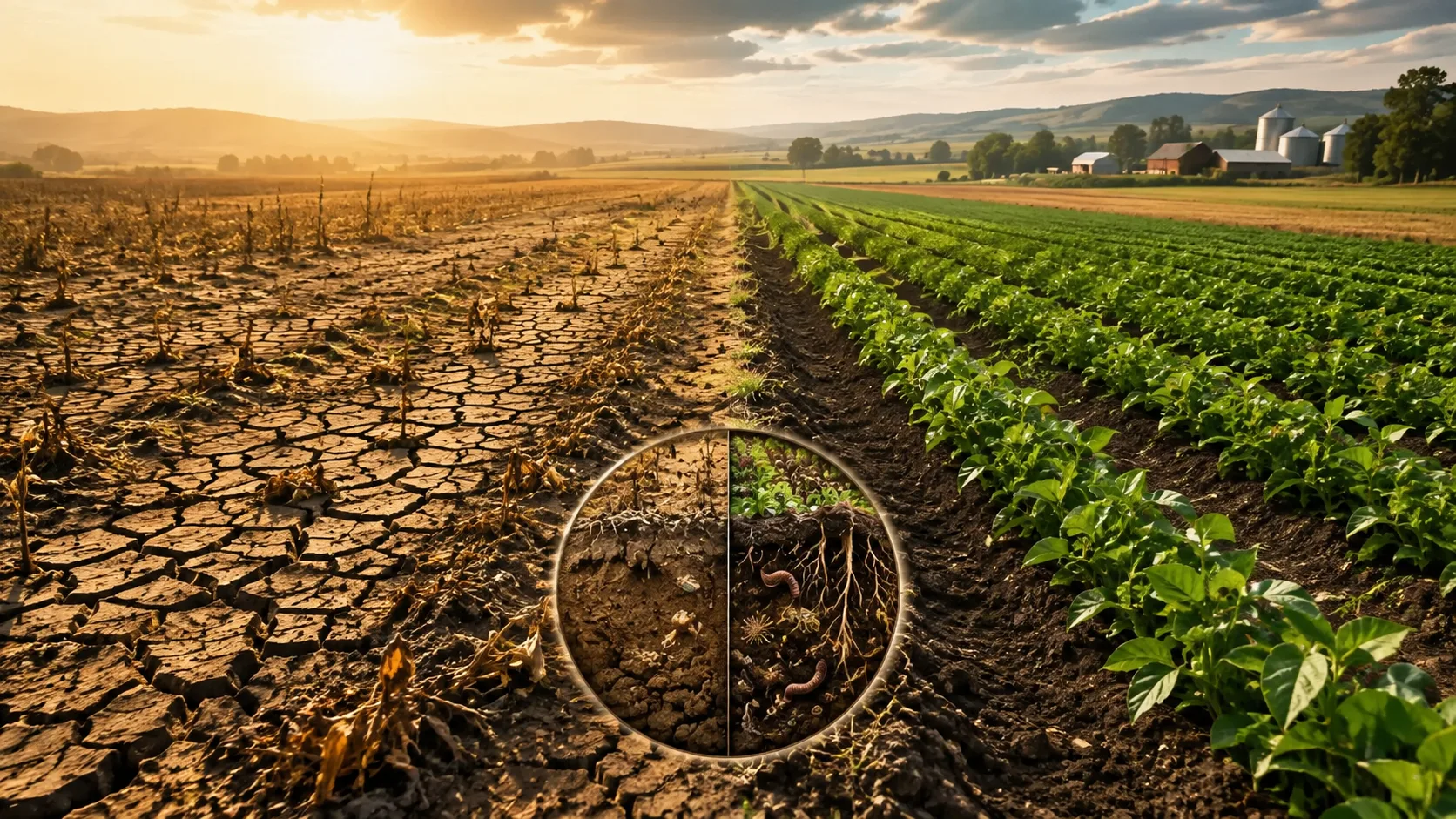 Soil Fatigue: The Silent Threat to Productive Agriculture
 From Clay to Jar, From Steel Tanks to Modern Tables: The Evolving Journey of Pickle
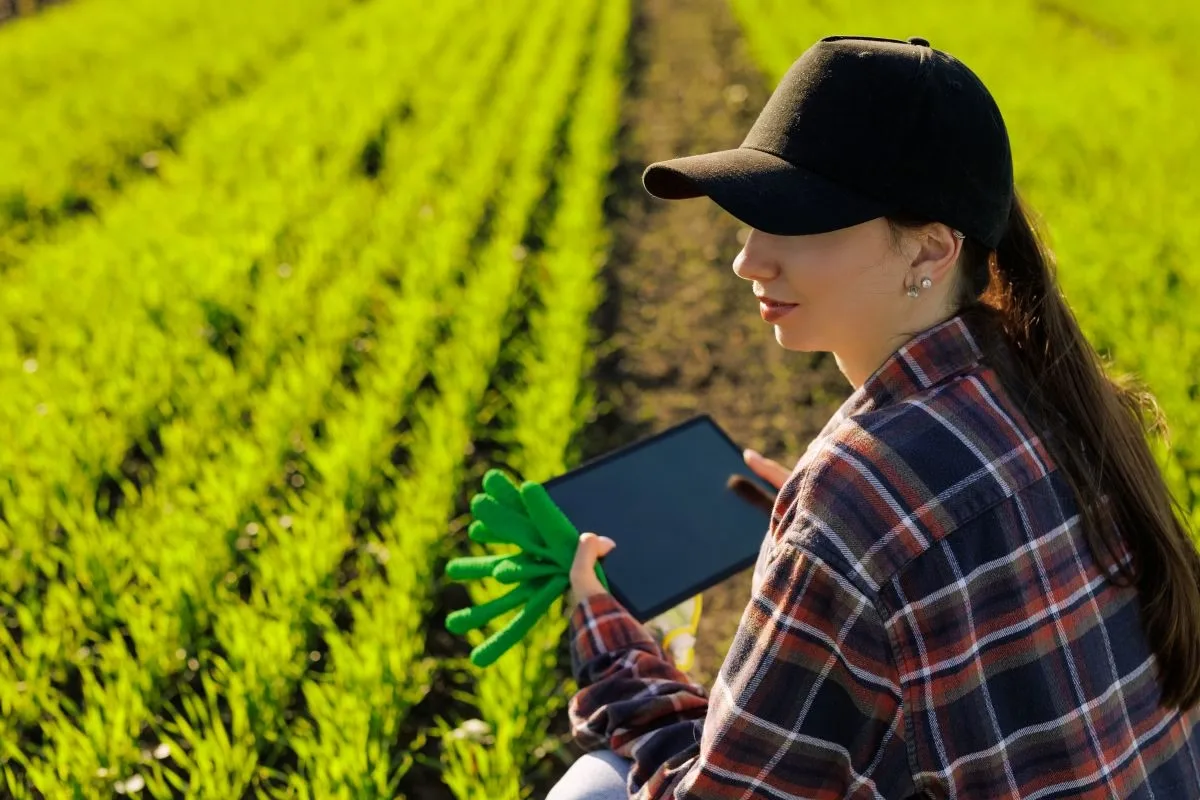 The Farmer’s New Assistant: AI-Powered Agricultural Decisions
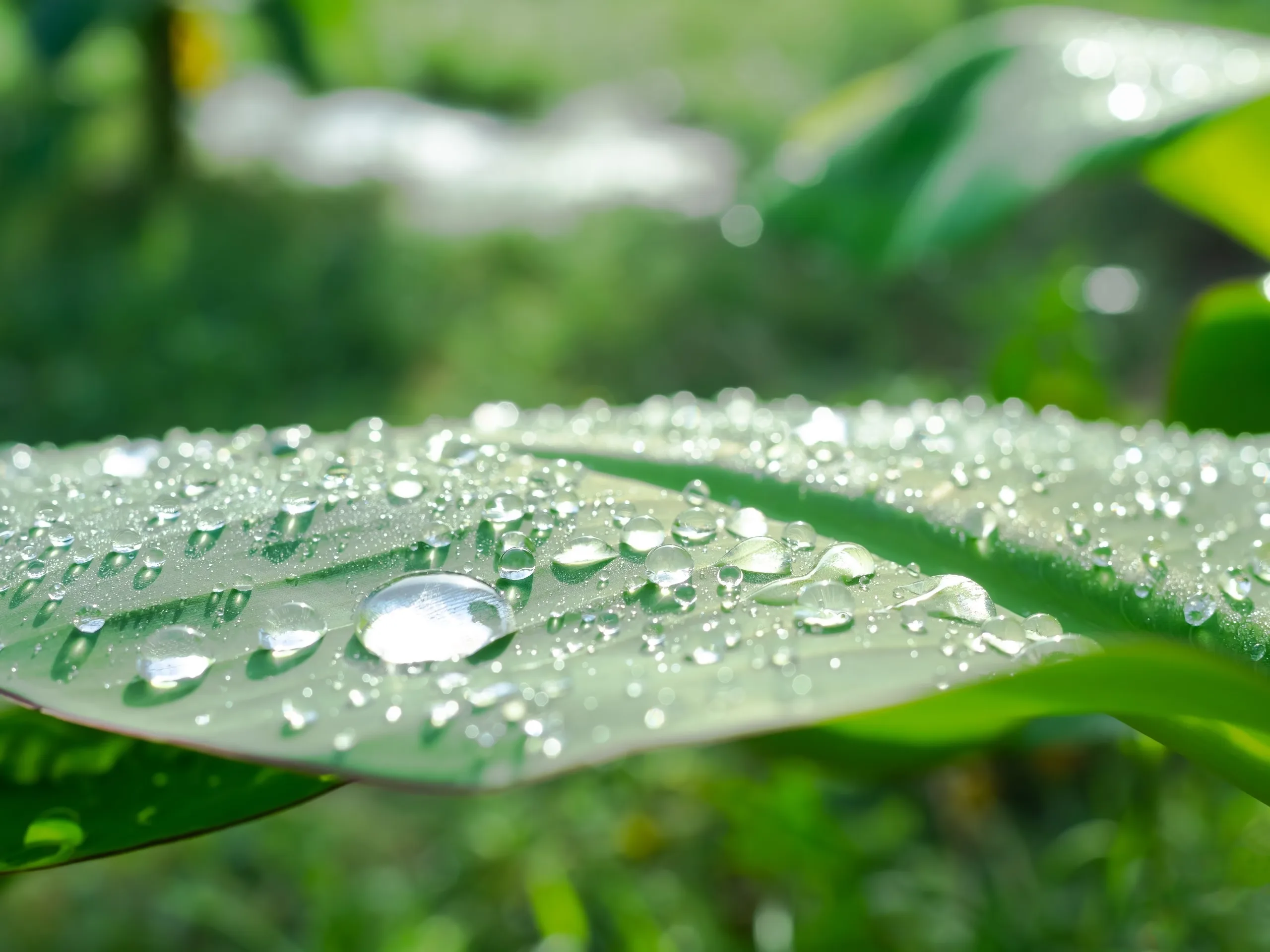 The Journey of a Drop of Water: The Importance of Water Efficiency in Food Production
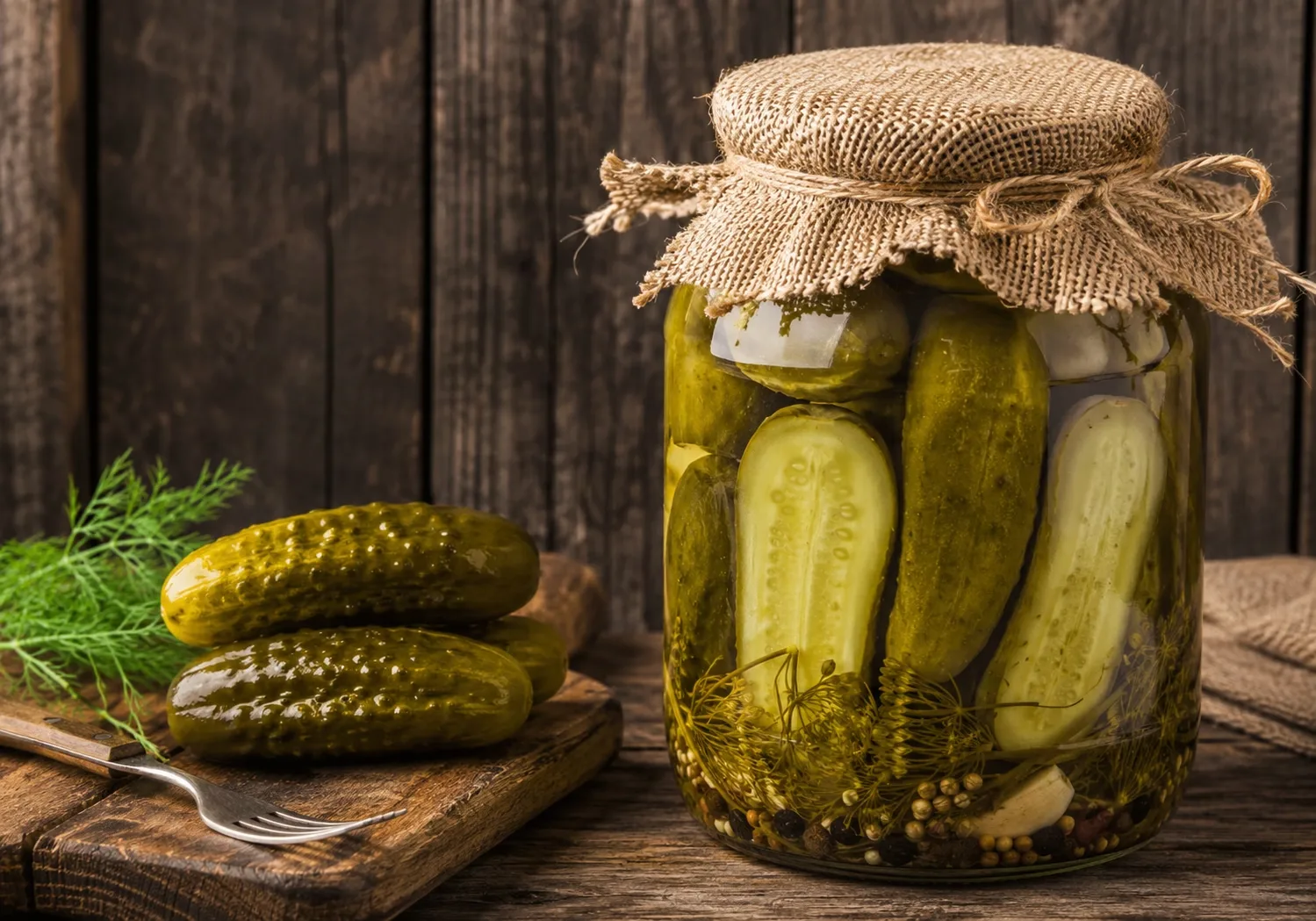 The Return of Fermented Cultures: Why Are Traditional Flavors Rising Again?