

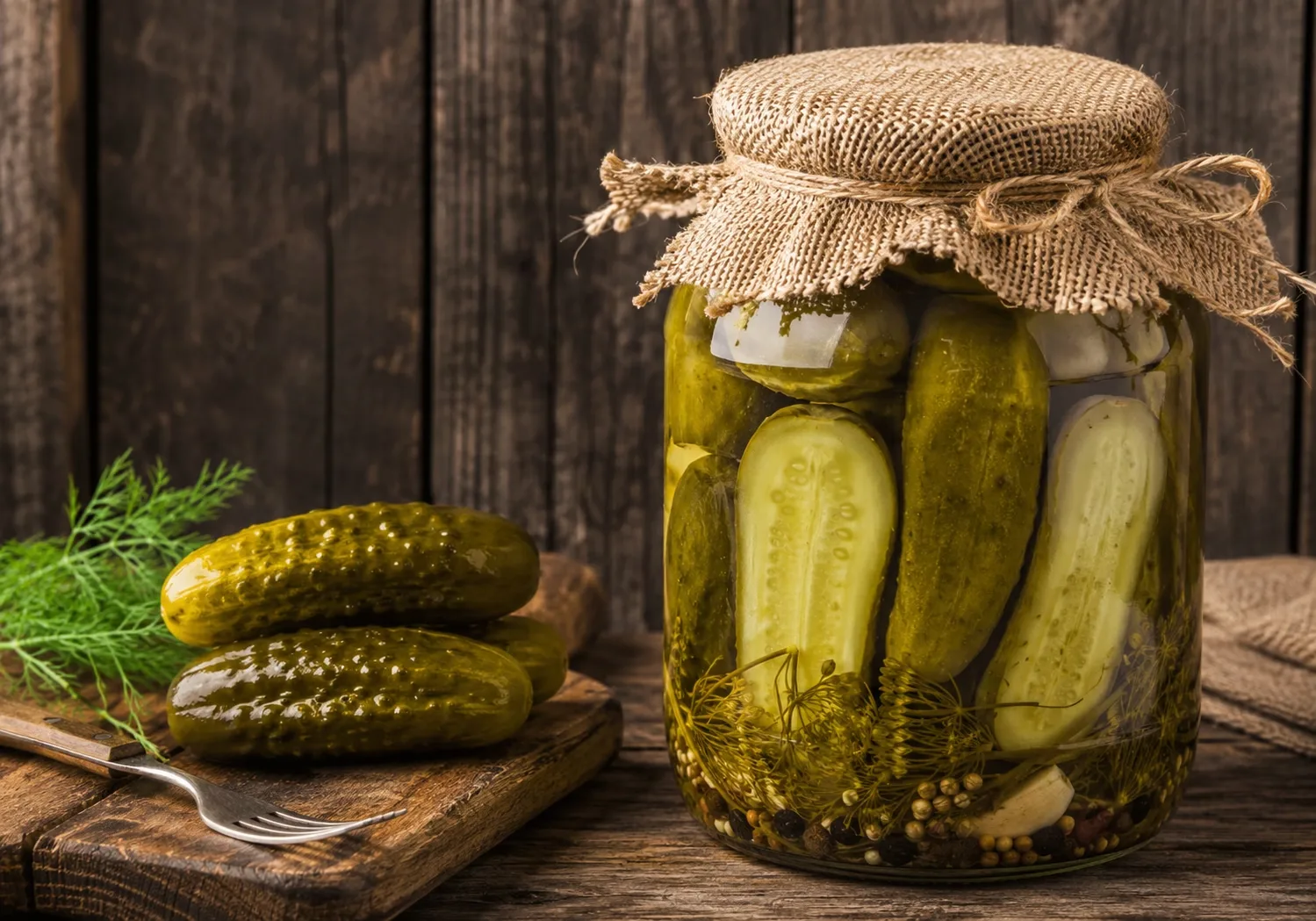
Undoubtedly, one of the most genius discoveries in human culinary history is fermentation, which began purely out of a primal desire to preserve food. The tangiest, crunchiest, and most beloved representative of this ancient art is the pickle. From Anatolia to Mesopotamia, the Far East to Europe, every geography has found a way to freeze time by packing the bounty of its land into jars and clay vessels.
Yet, pickles are no longer just a nostalgic pantry staple prepped for winter or a traditional sidekick to a plate of dry beans. Drawing strength from its ancient roots, this fermented miracle is undergoing a massive transformation, taking center stage in modern gastronomy, and molecular kitchens trends. Let's explore this sour journey stretching from clay to the jar, and from tradition to fine-dining tables.
Traditional Pickling as an Ancient Preservation Method
In eras devoid of industrial refrigerators and synthetic preservatives, making pickles was not a luxury—it was a survival strategy. The magic of traditional pickles is hidden in the microorganisms nature gifts us: lactic acid bacteria.- Natural Fermentation: When vegetables are brought together with salt, water, and sometimes vinegar/lemon, an anaerobic (oxygen-free) environment is created under controlled light and temperature. This quiet waiting game inside earthenware pots or glass jars lasts for weeks, stretching the shelf life of the food while granting it that sharp, signature tang.
- Regional Identity: Geography dictates the character of a pickle. While crunchy winter pickles prepped with garlic, chickpeas, and rock salt stand out in Anatolia; Kimchi, fermented with chili peppers and ginger in Korea, and Sauerkraut (fermented cabbage) in Germany serve as historical culinary signatures.
Modern Gastronomy's "Secret Weapon for Chefs"
When we look into the kitchens of avant-garde and fine-dining restaurants worldwide today, we see chefs setting up dedicated fermentation rooms like literal chemists. Behind the massive success of Noma, repeatedly named the world's best restaurant, lies their massive fermentation lab. Modern gastronomy has rediscovered pickles and fermented juices as ultimate flavor enhancers (umami). The new face of pickles in modern kitchens features:- Unconventional Raw Ingredients: It's no longer just cucumbers, cabbage, or peppers; green strawberries, watermelon rinds, pine cones, mushrooms, and even eggs are being fermented to introduce avant-garde touches to the plate.
- Acidity and Balance Engineering: Chefs use their custom-crafted pickle juices as a pH balancing element to cut through the heavy richness of fatty dishes, cleanse the palate, and add deep complexity to a plate.
- Textural Play: Through molecular gastronomy techniques, pickle juices are gelled, turned into caviar pearls, or dehydrated into crunchy powders to garnish high-end dishes.
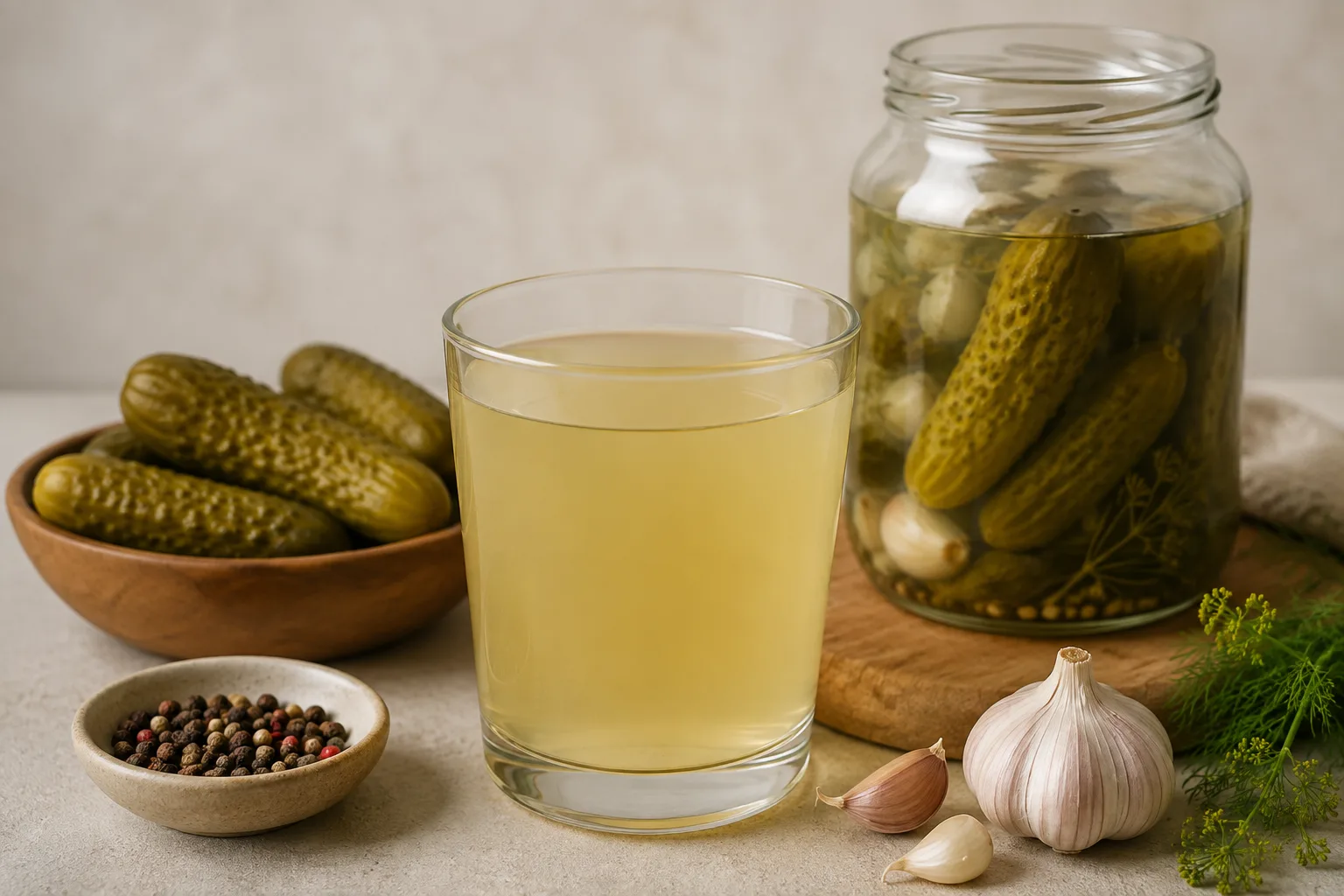 What Is Pickle Juice — and What Is It Good For?
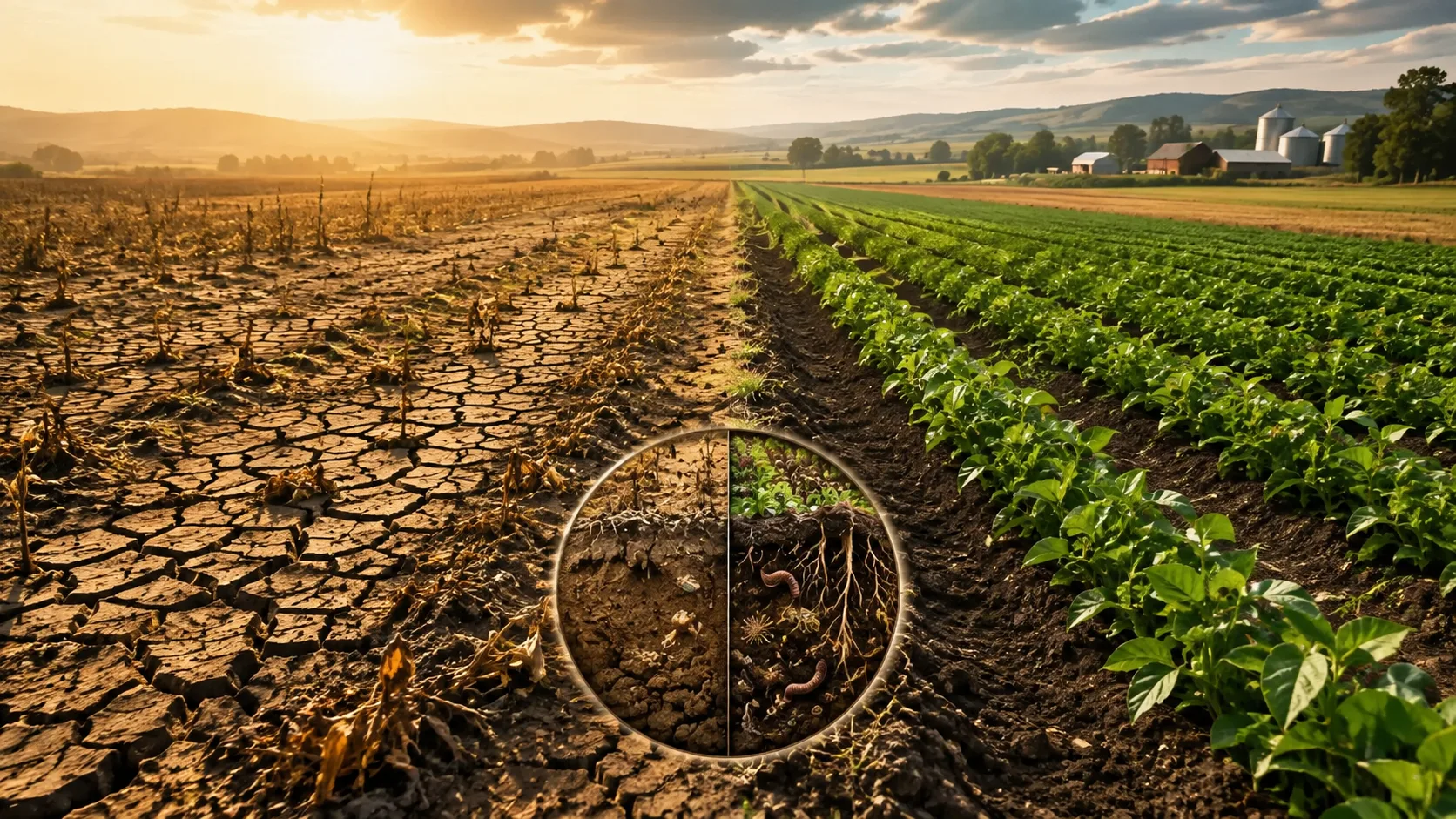 Soil Fatigue: The Silent Threat to Productive Agriculture
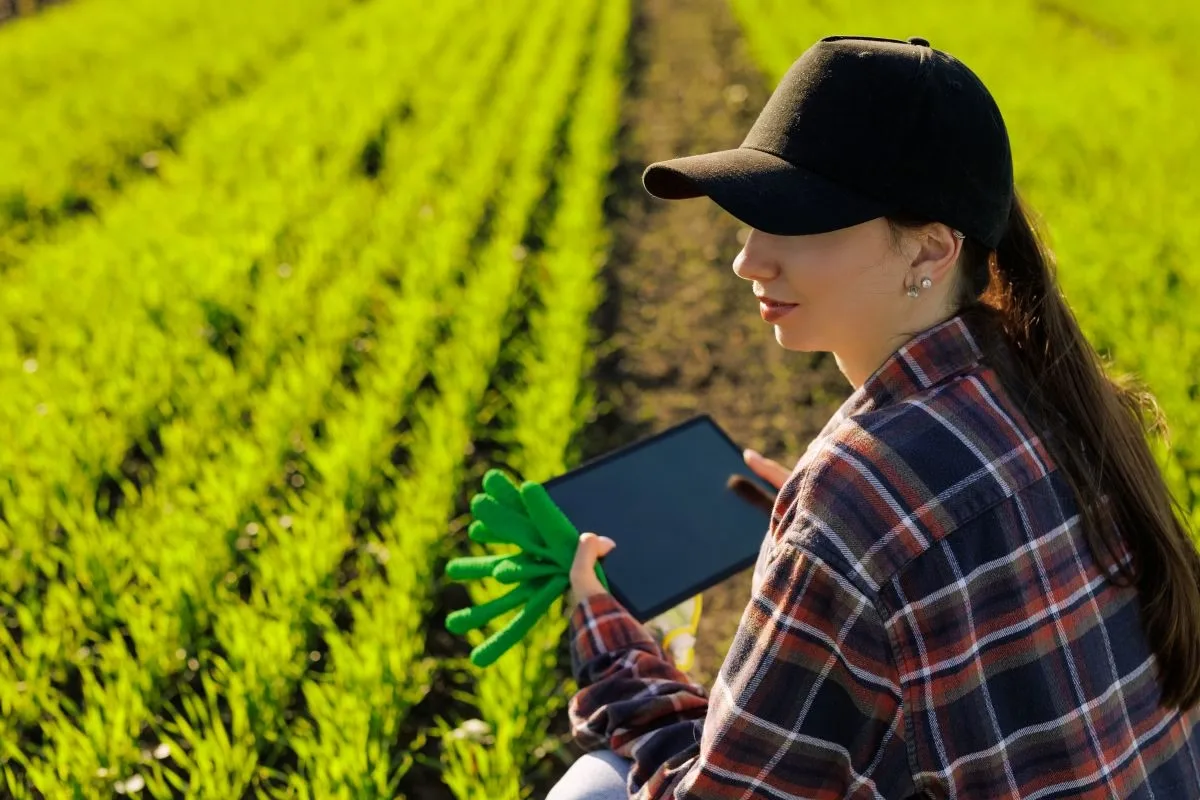 The Farmer’s New Assistant: AI-Powered Agricultural Decisions
 The Journey of a Drop of Water: The Importance of Water Efficiency in Food Production
 The Return of Fermented Cultures: Why Are Traditional Flavors Rising Again?
 The Right of Soil to Rest: Forgotten Natural Cycles in Modern Agriculture