
When you peer into a glass jar, you see more than just a food product—you see a culture, a transfer of knowledge, and a sense of security. Jars are one of humanity’s simplest yet most ingenious solutions. These glass vessels, capturing the essence of soil, labor, seasons, and memory, remain a cornerstone of food safety and sustainable consumption today.
So, do jars hold only pickles or jam? Or do they also carry a society’s heritage, a family tradition, and even a signal of the future?
1. Preservation Culture: Wisdom from the Past
Humanity has devised countless methods to live in harmony with nature, and preserving food without spoilage is at the forefront of these efforts. Salting, drying, freezing, and, of course, jarring… Glass jars, particularly when paired with techniques like fermentation, pasteurization, and vacuum sealing, have played a starring role in kitchens for centuries.- Rows of pickles lined up in grandma’s kitchen,
- Tomato sauces jarred for winter preparations,
- Homemade jams opened for special occasions…
2. Jars = Safety + Transparency
When it comes to food safety, seeing what we eat is a major source of trust. Glass jars offer this transparency in a unique way:- We can see the contents and detect whether additives are present.
- We can read the label to access ingredient information.
- We can check if the lid is vacuum-sealed, easily spotting any risk of spoilage.
3. The Role of Jars in Industrial Production
While the modern food industry has leaned toward plastic packaging, glass jars are regaining value as both a premium and sustainable choice.- Glass is recyclable,
- It’s heat-resistant and free from chemical reaction risks,
- It naturally extends a product’s shelf life.
4. The Future of Jars: Smart Labels, Recycling, Cultural Preservation
The future of jars is evolving, much like the products they hold. Now:- QR-coded jars allow consumers to access production dates, origins, and nutritional information in seconds.
- Deposit systems encourage the recycling of glass packaging.
- In terms of cultural sustainability, jars remain one of the most effective tools for passing down traditional recipes.
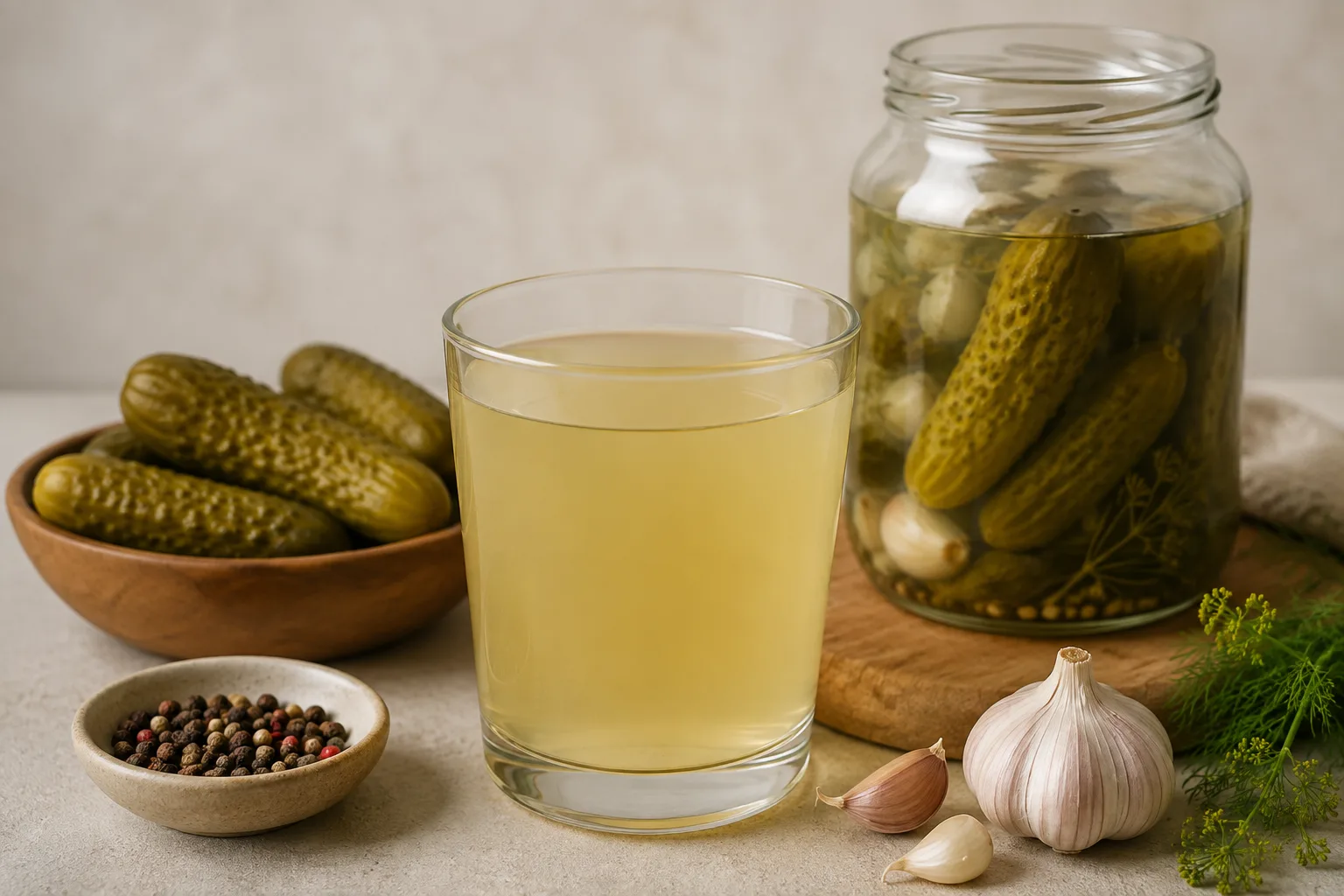 What Is Pickle Juice — and What Is It Good For?
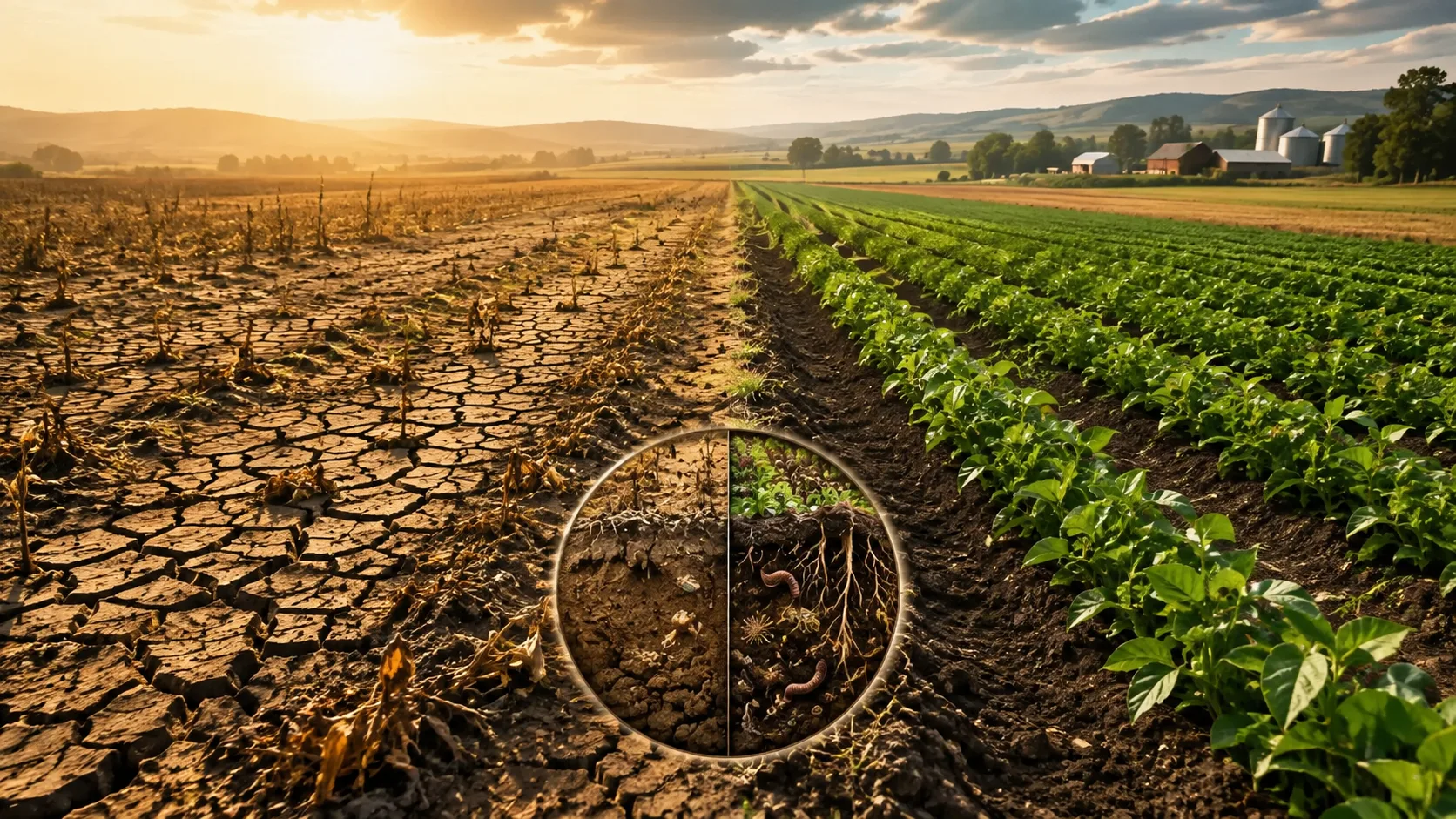 Soil Fatigue: The Silent Threat to Productive Agriculture
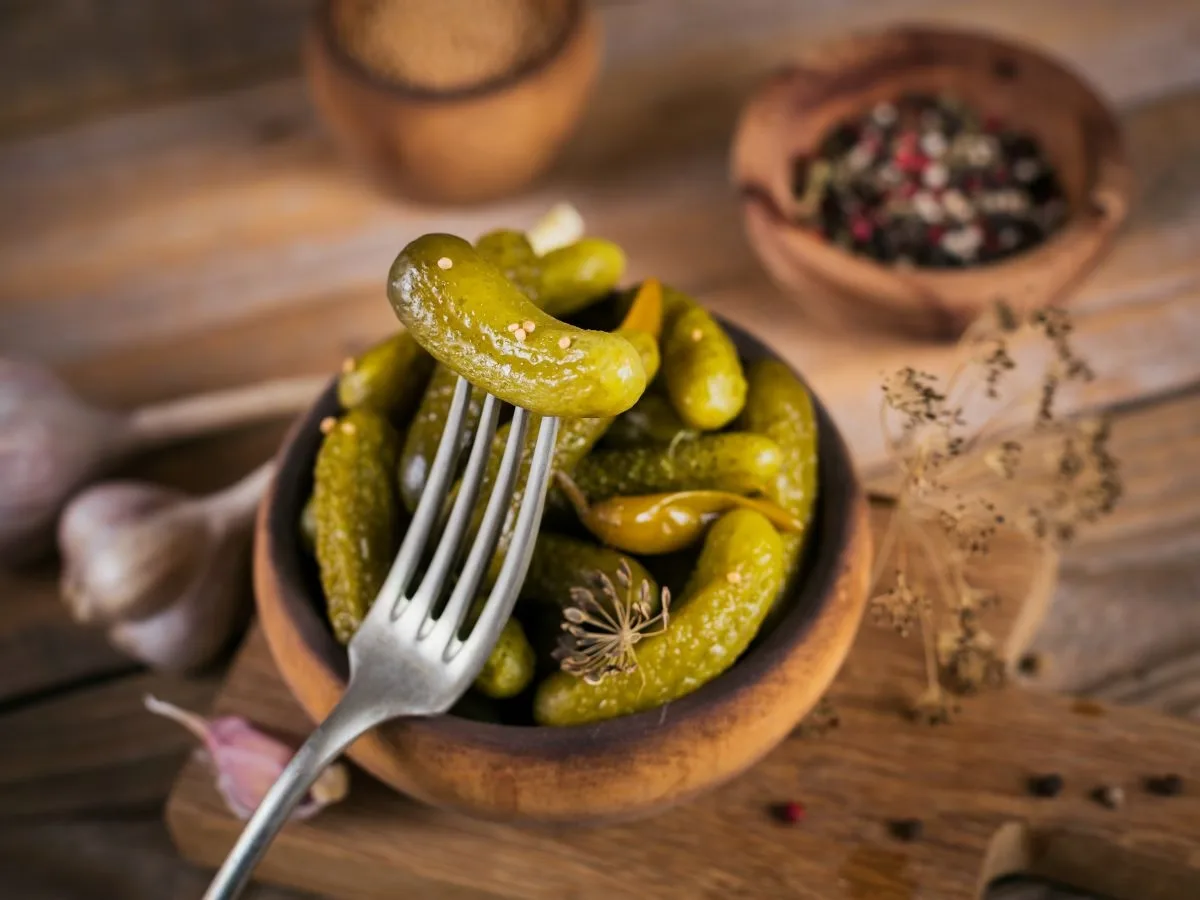 From Clay to Jar, From Steel Tanks to Modern Tables: The Evolving Journey of Pickle
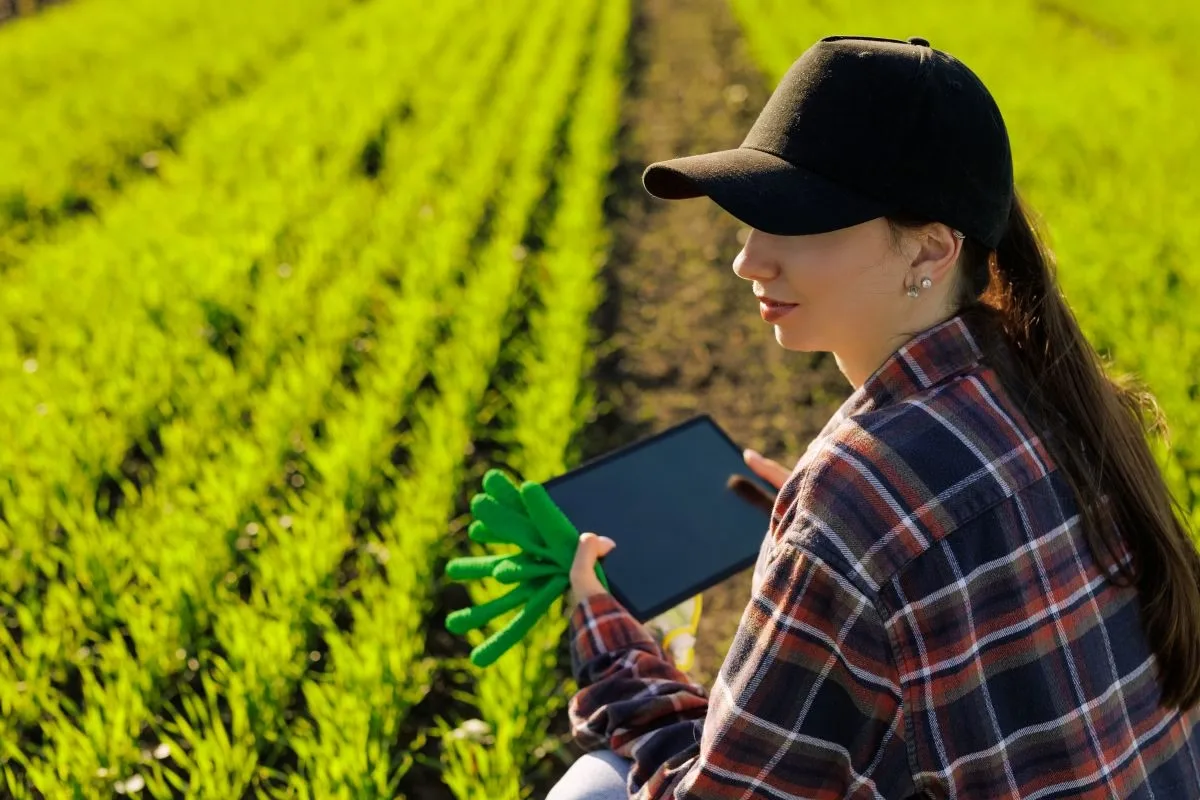 The Farmer’s New Assistant: AI-Powered Agricultural Decisions
 The Journey of a Drop of Water: The Importance of Water Efficiency in Food Production
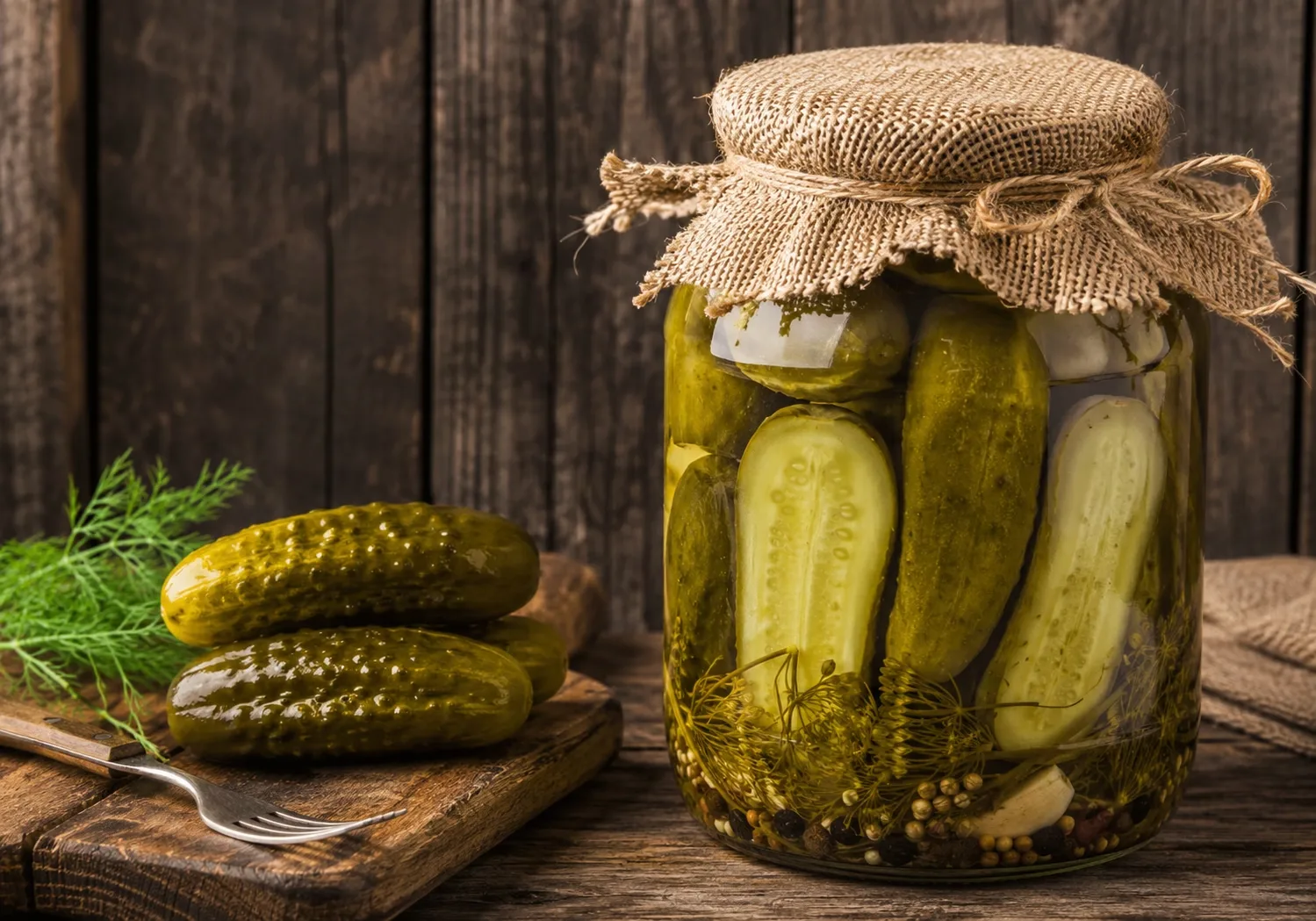 The Return of Fermented Cultures: Why Are Traditional Flavors Rising Again?