

For centuries, local production has been both a source of livelihood and a form of cultural existence for rural communities. This system—where seeds are preserved, production races with the seasons, and sales take place in village markets or local shops—has built a strong tradition through its simplicity and sustainability. However, in the age of digitalization, this local chain is no longer defined solely by geographic boundaries. Now, a product made in a village can reach global markets through a digital storefront. In short, the concept of “local” is being rewritten.
From Small-Scale Producer to Global Consumer: Shifting Dynamics
The fact that a homemade tomato paste, soap, or cheese crafted by a village producer can now reach not just a neighbor but a customer in Tokyo is a sign of a significant transformation. This shift is not only technological but also brings about economic, cultural, and social restructuring. How has this digital transformation become possible?- The proliferation of e-commerce infrastructure: Accessible platforms (Etsy, Trendyol, Amazon Handmade, etc.) have opened digital storefronts for SMEs and individual producers.
- Brand-building through social media: A jam made by a village woman can now gain a loyal customer base via Instagram.
- Digital payment systems and logistics solutions: End-to-end secure shopping experiences have turned small producers into global players.
- Global consumer trends: The demand for natural, handmade, additive-free, and local products has connected urban consumers with rural producers.
Cultural Heritage Reborn on Digital Platforms
Local production is not just an economic activity; it is also a carrier of cultural memory. The scent of handmade soap, the bitterness of traditional olive oil, or a rug woven with local patterns are ways of connecting with the past. The presence of these values on digital platforms offers not only sales opportunities but also a chance for cultural transmission. At the same time, this digitalization enables the revival of traditional production techniques that were at risk of being forgotten. Younger generations are combining their ancestors’ production knowledge with modern digital tools, rooting themselves in the local while finding a place in the global market.The Resilience and Solidarity of Local Networks
Digital transformation encourages local producers to act not only individually but also as communities. Village cooperatives, women’s producer unions, and agricultural initiatives can now create their own digital brands, develop marketing strategies together, and gain visibility collectively. This leads to:- Increased bargaining power,
- Reduced intermediary chains,
- Fairer income distribution,
- The development of a solidarity-based economic model.
 What Is Pickle Juice — and What Is It Good For?
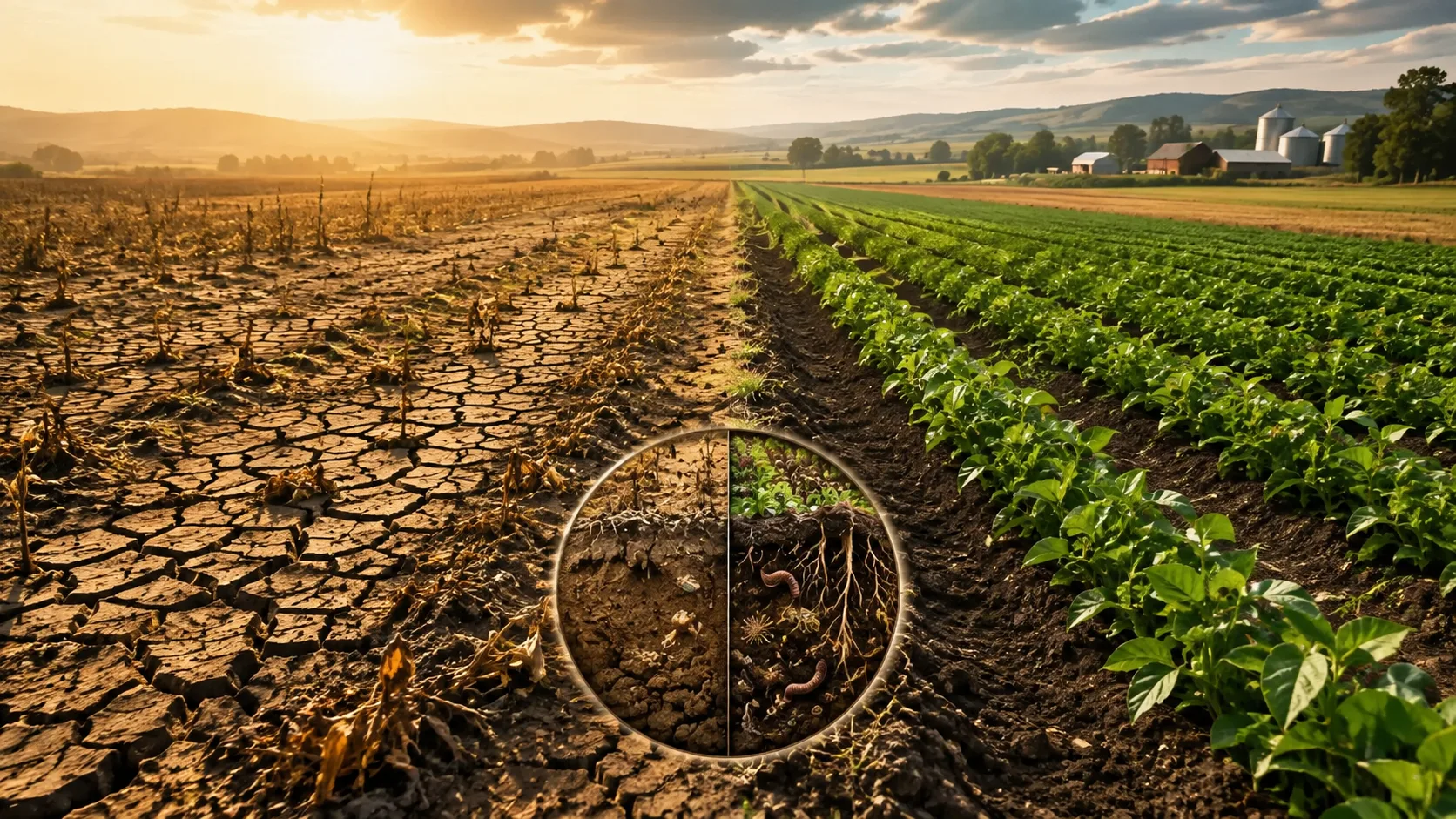 Soil Fatigue: The Silent Threat to Productive Agriculture
 From Clay to Jar, From Steel Tanks to Modern Tables: The Evolving Journey of Pickle
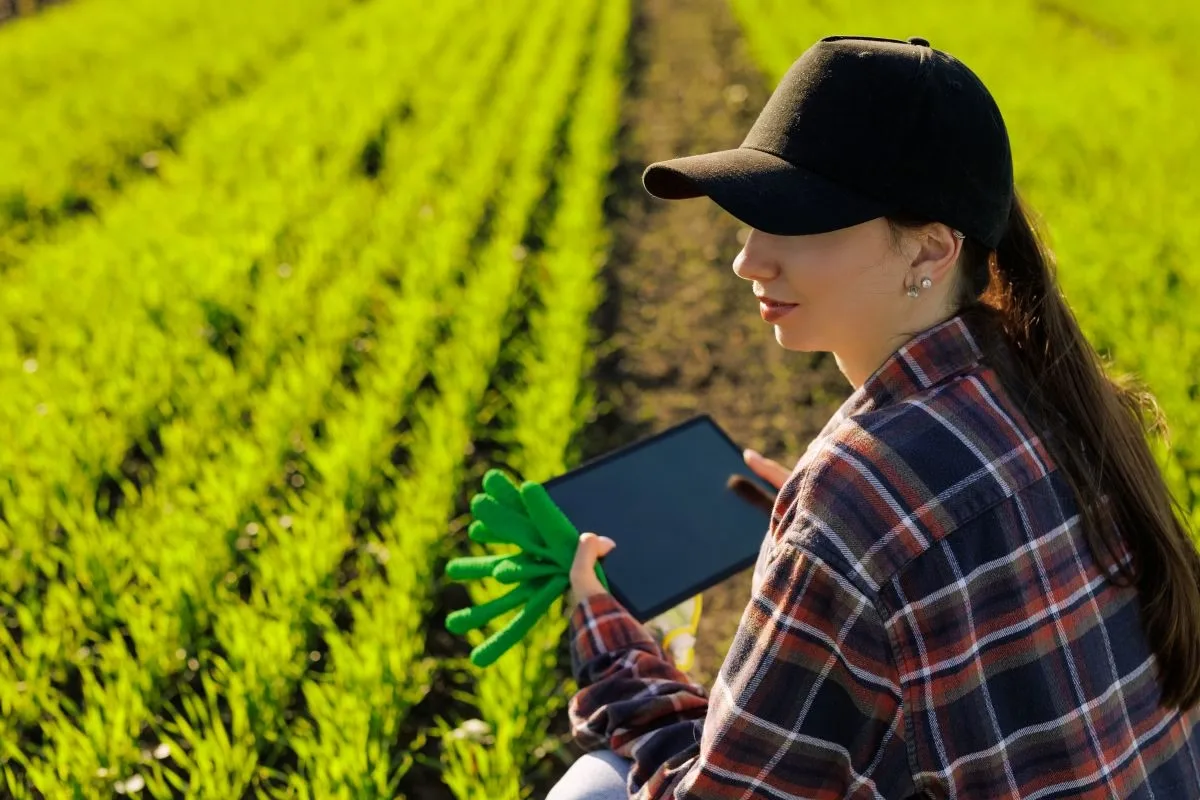 The Farmer’s New Assistant: AI-Powered Agricultural Decisions
 The Journey of a Drop of Water: The Importance of Water Efficiency in Food Production
 The Return of Fermented Cultures: Why Are Traditional Flavors Rising Again?