

Fermented foods have, in recent years, become not only a staple on our tables but also a leading player in lifestyle trends, gastronomic exploration, and the sustainable food movement. From yogurt to kefir, kombucha to kimchi, many products are being rediscovered in global cuisines, with pickles—rooted in Anatolia’s ancient heritage—standing out as one of the most distinctive representatives of this transformation.
However, the demand now goes beyond ordinary pickles. Taste, ingredients, production processes, and presentation are all being redefined. This transformation signals the beginning of what can be called the “second wave” in fermented foods. So, what kind of future does this new generation of pickling promise?
The First Wave: The Power of Tradition
Pickling is undoubtedly one of the world’s oldest preservation methods. In Anatolia, the centuries-old pickling tradition has served not only as a means of food preservation but also as a way to enhance flavor, extend seasonality, and foster community bonds. Beyond classic vegetables like cucumbers, cabbage, and peppers, pickles made from region-specific fruits and vegetables have become a cultural legacy passed down through generations. The first wave of pickling, sustained by artisanal culture, homemade methods, and regional recipes, has carried this tradition to the present day. But today’s consumers are seeking more.The Second Wave: Creativity and Identity
The new generation of pickling stays true to classic flavors while responding to entirely new demands. This approach, which views fermented products not just as garnishes but as functional foods, embraces trends such as probiotic richness, sugar-free and additive-free ingredients, plant-based alternatives, gluten-free products, and recipes blended with global flavors. Key aspects of this new wave include:- Scientific Awareness: The positive effects of lactic acid bacteria on gut health are now widely recognized. Consumers are gravitating toward fermented foods enriched with “good bacteria.”
- Creative Recipes: Flavors like mango pickles, beet-infused cabbage, mustard carrots, or lavender-rosemary blends appeal to modern palates.
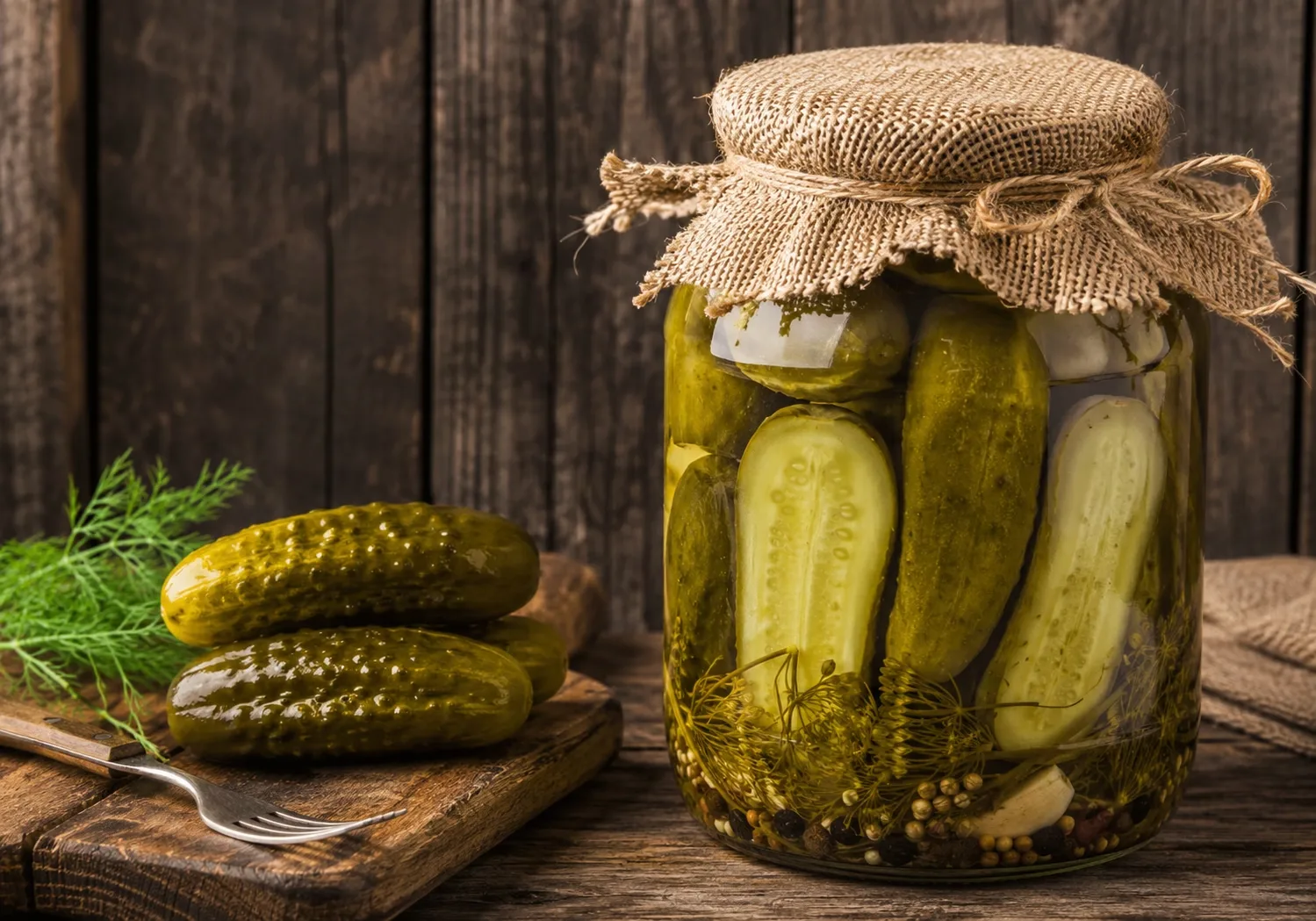
- Design-Driven Packaging: Products presented in glass jars with simple, contemporary labels are no longer confined to supermarket shelves but are found in digital boutiques, gourmet shops, and festival stalls.
- Global Communication, Local Identity: Pickles are becoming part of a global narrative, much like Korea’s kimchi. With the right presentation, Anatolian pickles carry strong cultural potential for global tables.
From Craft to Brand: The Rise of the New Producer
Entrepreneurs and brands are now repositioning fermented foods within the triangle of health, storytelling, and design. Small-scale producers are leveraging the power of e-commerce, transforming local agricultural products into high-value goods. Pickling is no longer just a pantry task; it has become a branding strategy and a lifestyle statement. These brands:- Share fermentation duration and live bacteria content on product labels,
- Work directly with local farmers for raw material sourcing,
- Educate consumers through videos and workshops,
- Promote a zero-waste kitchen philosophy.
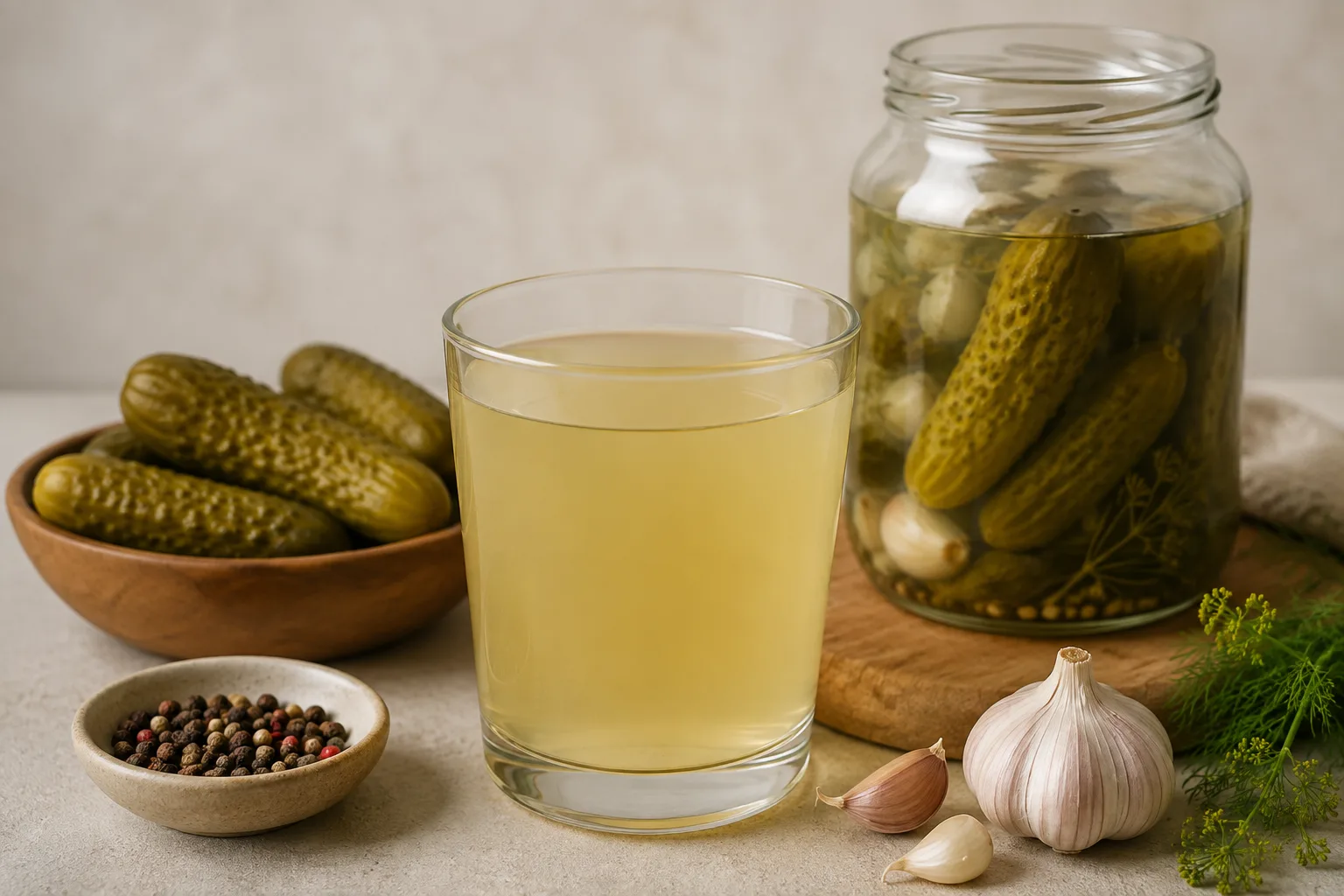 What Is Pickle Juice — and What Is It Good For?
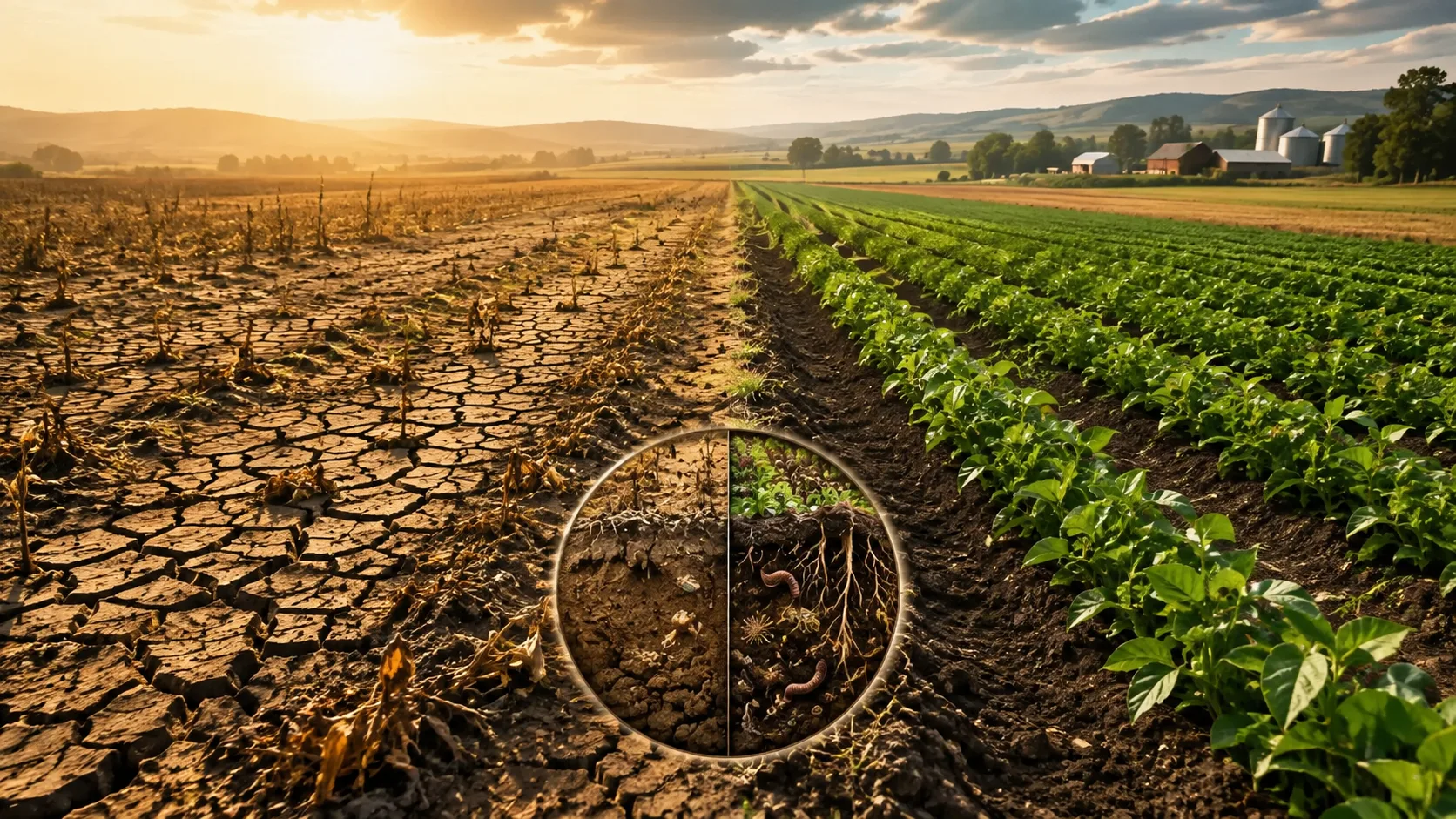 Soil Fatigue: The Silent Threat to Productive Agriculture
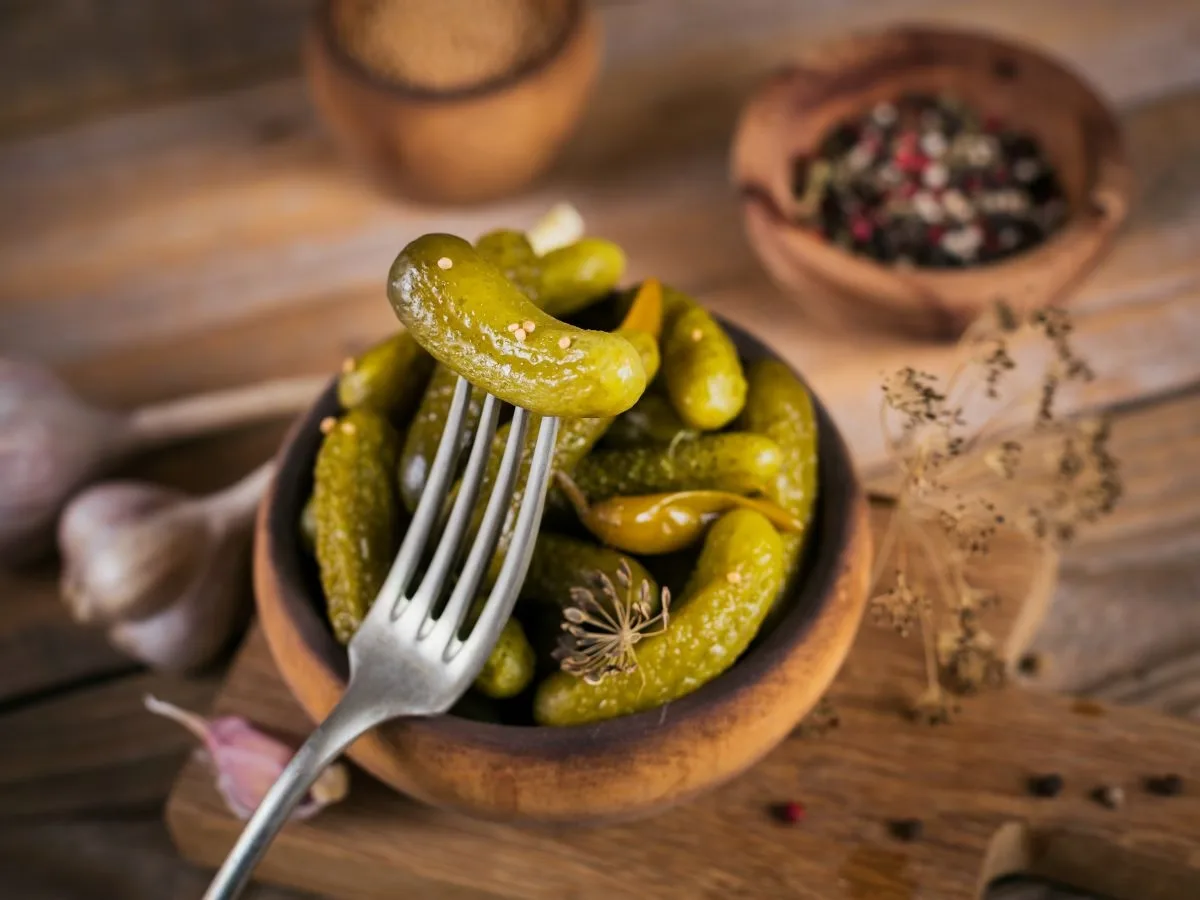 From Clay to Jar, From Steel Tanks to Modern Tables: The Evolving Journey of Pickle
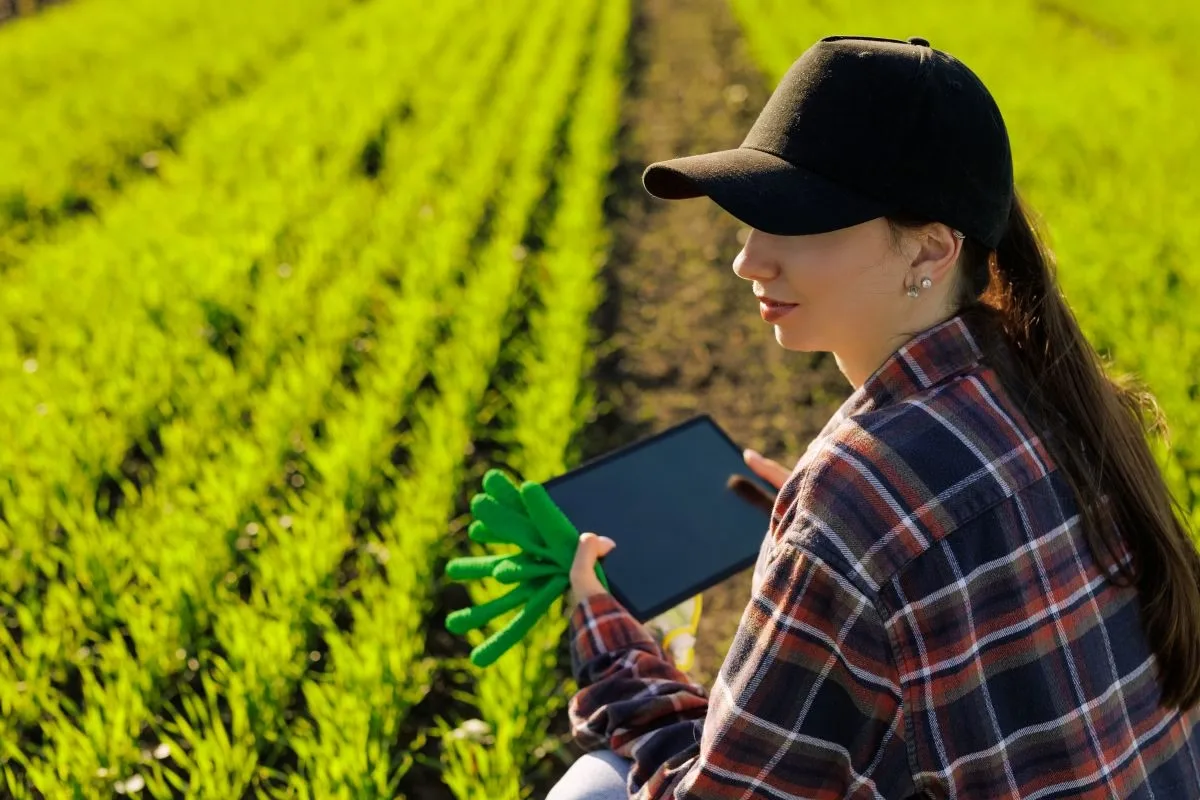 The Farmer’s New Assistant: AI-Powered Agricultural Decisions
 The Journey of a Drop of Water: The Importance of Water Efficiency in Food Production
 The Return of Fermented Cultures: Why Are Traditional Flavors Rising Again?