

Agriculture is one of the most ancient bonds between humanity and the soil. Yet, today, this bond is at risk of breaking. Urbanization, digitalization, and fast consumption habits are distancing new generations from nature; villages are growing silent, and trees are left orphaned. At this very moment, a hopeful idea is sprouting: olive groves growing with children.
This idea is not just a production project; it is an effort to build a generation that connects with nature, internalizes sustainability, and feels the responsibility of production from an early age. Because if we are to talk about the future of agriculture, we must place children—the true owners of that future—at the heart of the process.
A Generation Growing with the Soil: Why Now?
Children’s connection to nature must go beyond curiosity confined to screens. The escalating climate crises, concerns over food security, and an urban culture increasingly detached from production call us back to our roots. Olive trees can be a symbol of this call, because:- They are long-lived, narrating a story of growth spread across time, much like a child’s development.
- They require patience, effort, and loyalty.
- They symbolize peace, wisdom, and abundance.
The First Step to the Olive Grove: A Journey Beginning with Education
The first step in this vision is to make agriculture an integral part of education. Olive groves can be more than just production areas; they can be open-air classrooms.- Starting from kindergarten, children who meet olive trees learn about their seasonal cycles, care, and harvest times.
- Through workshops, nature walks, and hands-on agricultural activities, a child becomes not just an observer but someone who lives alongside the tree.
- Each child has an olive sapling: planted together, grown together, harvested together.
 What Is Pickle Juice — and What Is It Good For?
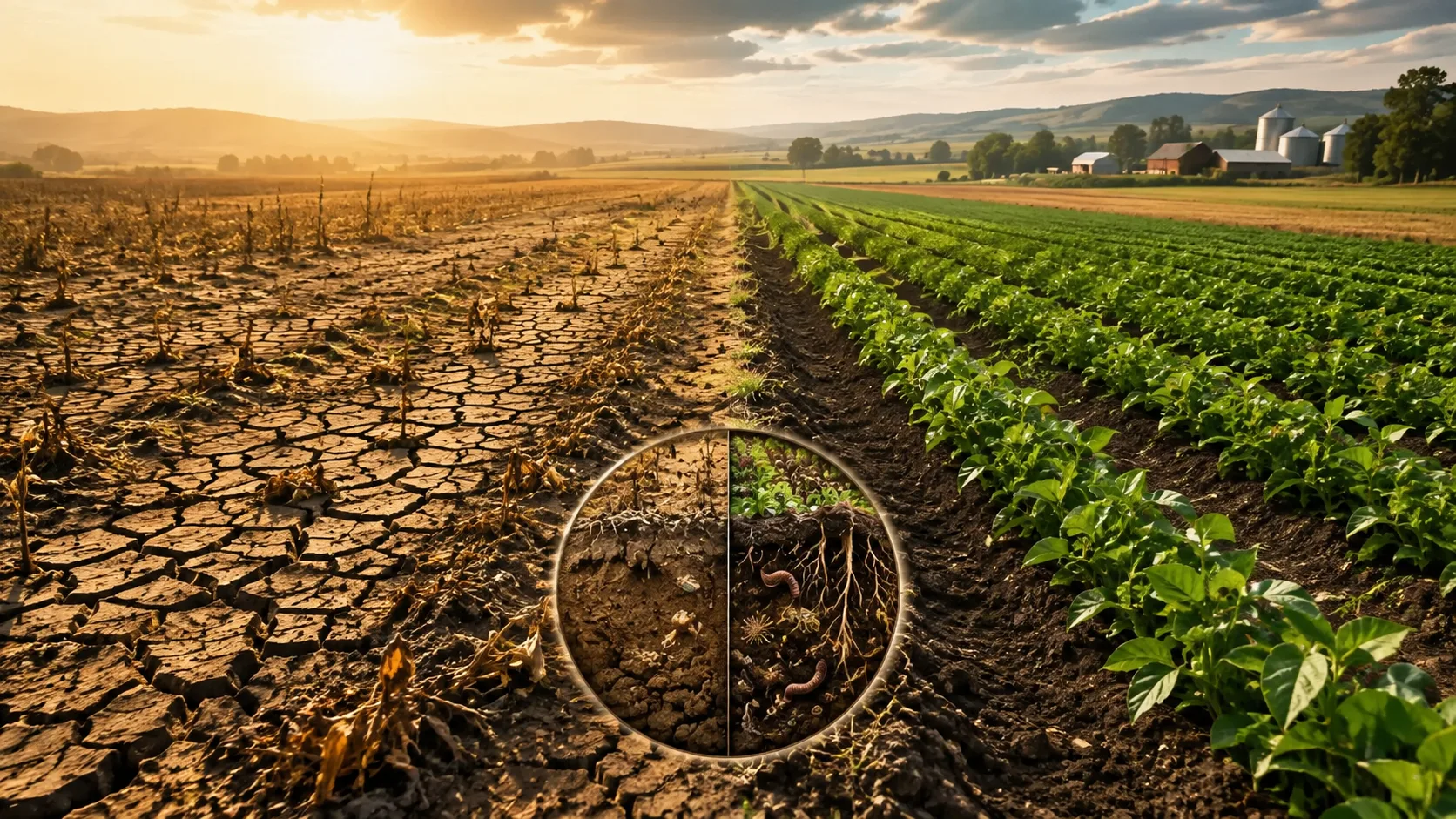 Soil Fatigue: The Silent Threat to Productive Agriculture
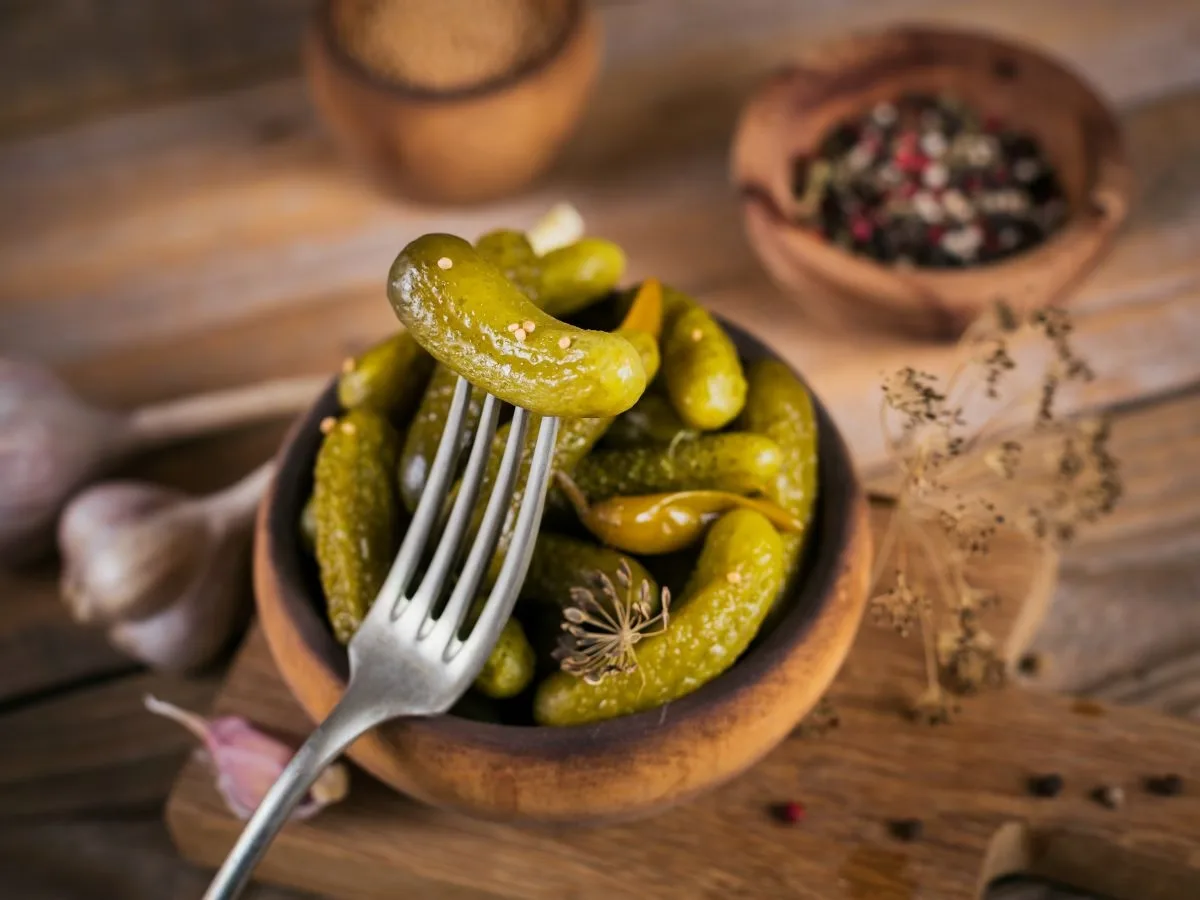 From Clay to Jar, From Steel Tanks to Modern Tables: The Evolving Journey of Pickle
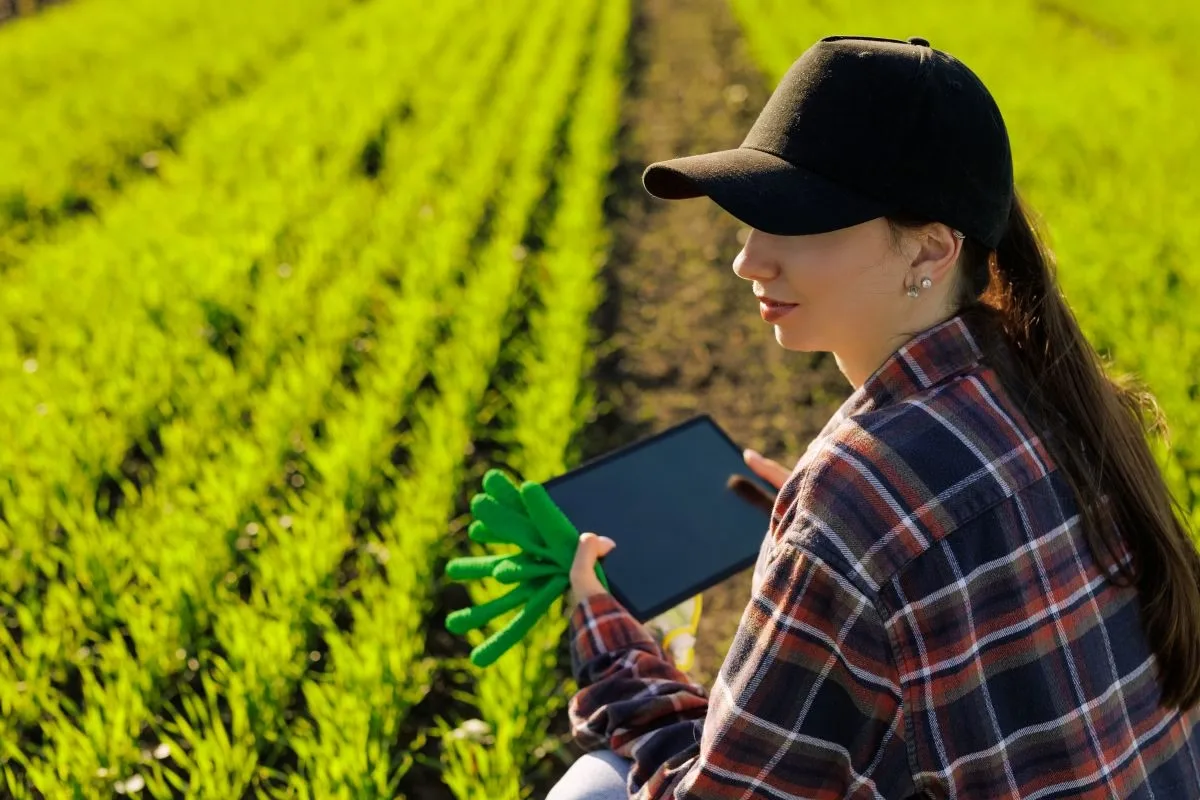 The Farmer’s New Assistant: AI-Powered Agricultural Decisions
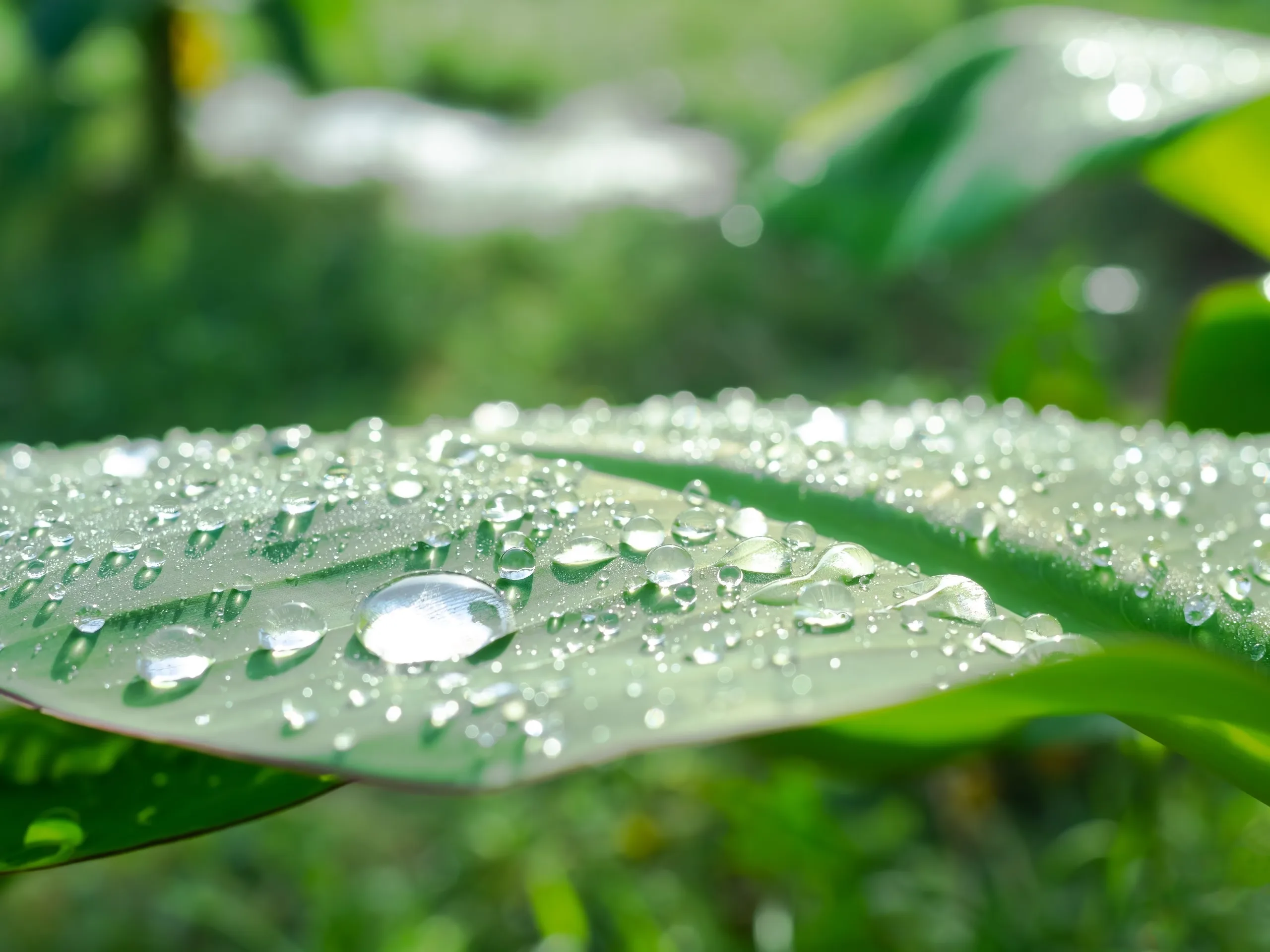 The Journey of a Drop of Water: The Importance of Water Efficiency in Food Production
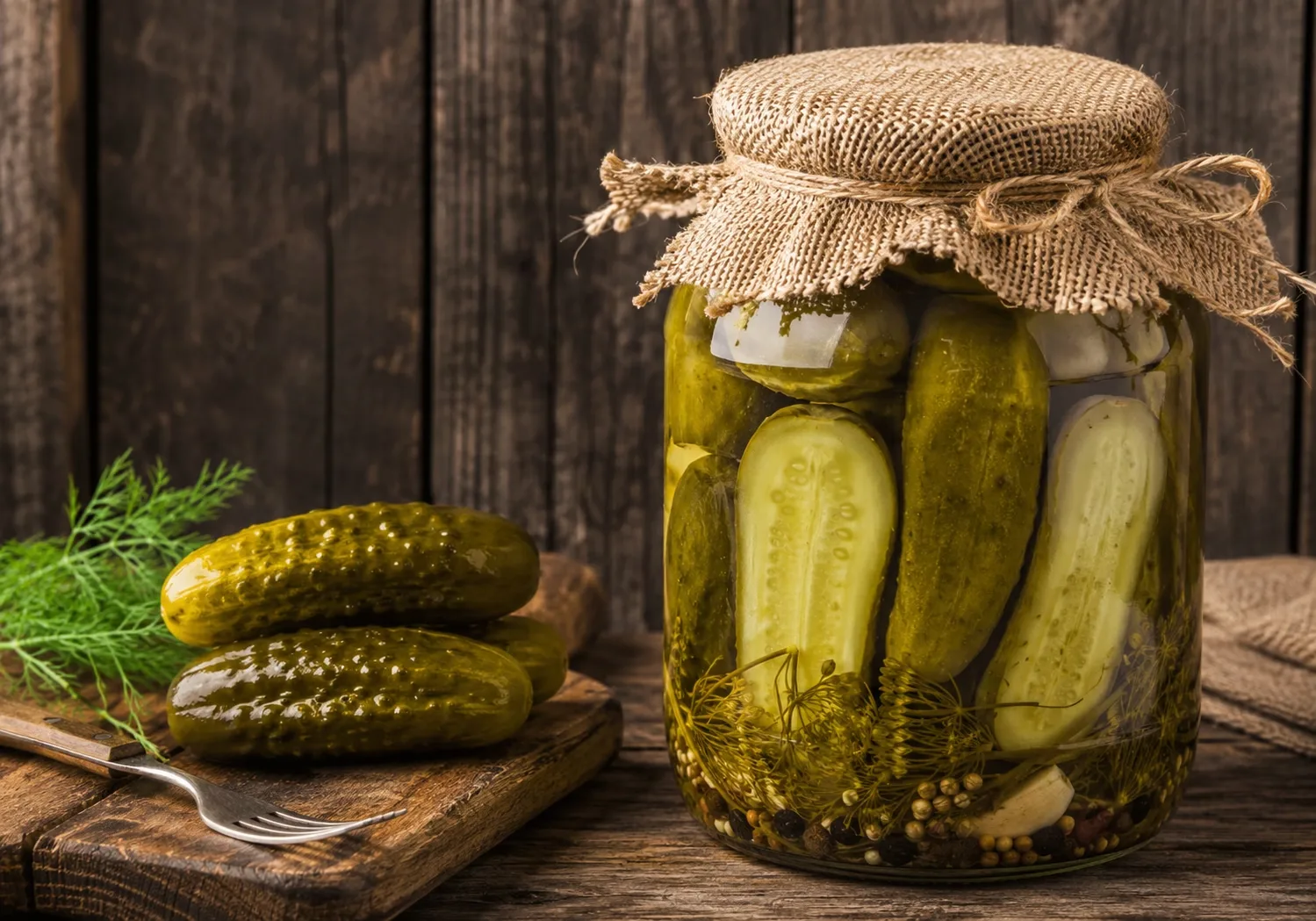 The Return of Fermented Cultures: Why Are Traditional Flavors Rising Again?