

Pickles have been more than just a food preservation method throughout history; they are also carriers of culture. Each jar holds the climate of a region, family traditions, the traces of seasons, and the practices of daily life. Yet, this ancient delicacy is no longer confined to the past. With changing palates, new consumption habits, and scientific advancements, pickle culture is undergoing a quiet but profound transformation. Today, fermentation is not just a process to prevent spoilage; it has become a cornerstone of flavor exploration, health consciousness, and culinary innovation. So, where is this transformation taking the world of pickles?
The Evolution of Fermentation: From Biological Process to Cultural Experience
Traditional pickle recipes have been passed down from master to apprentice, from mother to daughter, for generations. But today, fermentation is being redefined not only in home kitchens but also in R&D labs, chefs’ kitchens, and functional food production facilities. Details like the type of lactic acid bacteria, fermentation duration, temperature control, and pH balance are now approached with scientific precision. Thanks to modern fermentation techniques:- Pickles are made with diverse vegetables and even fruits.
- Low-sodium, additive-free recipes rich in natural probiotics are being developed.
- Products with long shelf life and high nutritional value are emerging.
- Pickles are transforming into health-friendly, gastronomic experiences that carry cultural stories.
New Flavor Codes: Taste, Acidity, and the Quest for Experience
The new-generation consumer is no longer seeking just a "sour and salty" product; they crave layered flavors, aromatic surprises, and unique experiences. This drives pickle producers toward creative solutions:- Exotic Flavors and Hybrid Recipes: Aromas from global cuisines, like ginger, lime, mango, lavender, or fennel, blend with classic cucumber or beet pickles, creating hybrid flavors that unite world cuisines.
- Botanical Infusions & Functional Additives: Ingredients like turmeric, spirulina, garlic extract, or adaptogenic herbs turn pickles into immune-boosting superfoods.
- Sensory Explosions: For spice lovers, jalapeno and habanero pickles enriched through fermentation offer a spicy-umami-sweet trifecta that appeals to modern gourmets.
The New Face of Packaged Pickles
Pickles are no longer just sold in jars. Single-serving vacuum-sealed packs, drinkable pickle juices in glass bottles (pickle shots), and marinated vegetable bars are shaping the functional snack market. Additionally:- Packaging design integrates aesthetics, standing out on shelves with contemporary graphics.
- QR codes make the production process traceable.
- Low-carbon footprint and zero-waste production narratives gain prominence.
The Darling of Chefs and Gastronomy: Acidic Umami
Today, many fine-dining restaurants incorporate homemade pickles, fermented garnishes, and acidity-balanced dishes into their menus. Pickles:- Provide an acidic balance to rich, fatty meats.
- Create color and texture contrast on plates.
- Become signature items with chefs’ custom fermented blends.
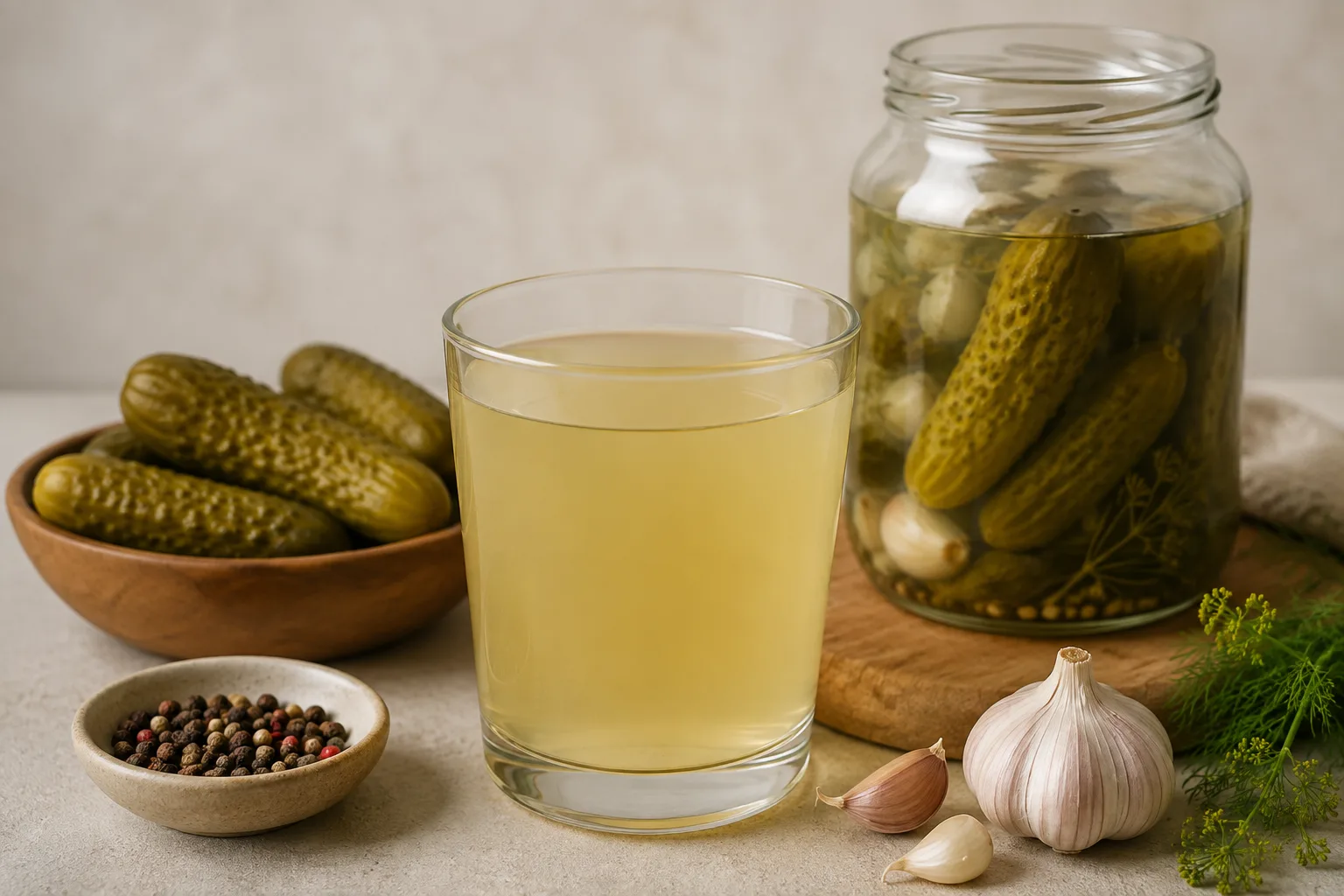 What Is Pickle Juice — and What Is It Good For?
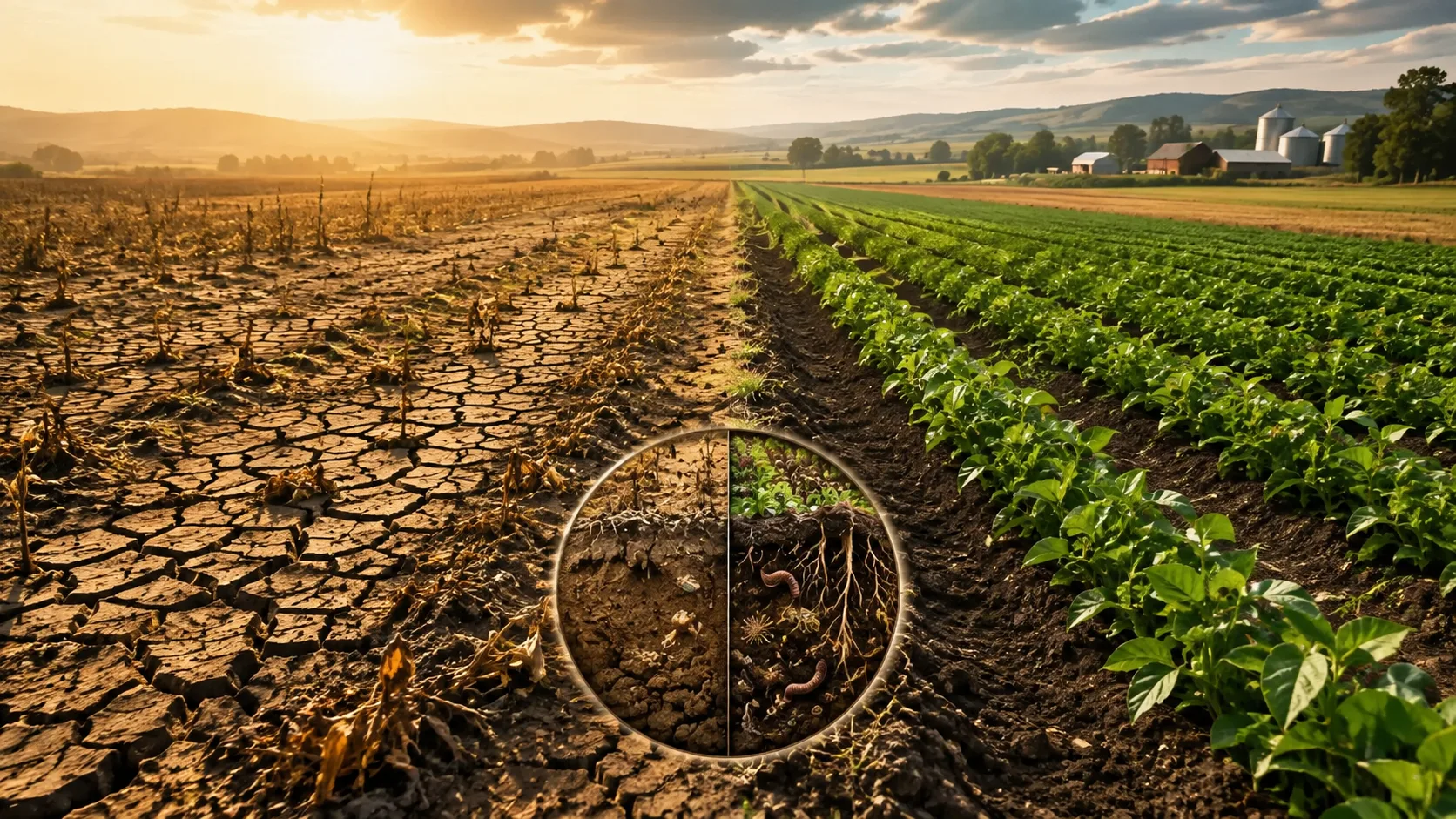 Soil Fatigue: The Silent Threat to Productive Agriculture
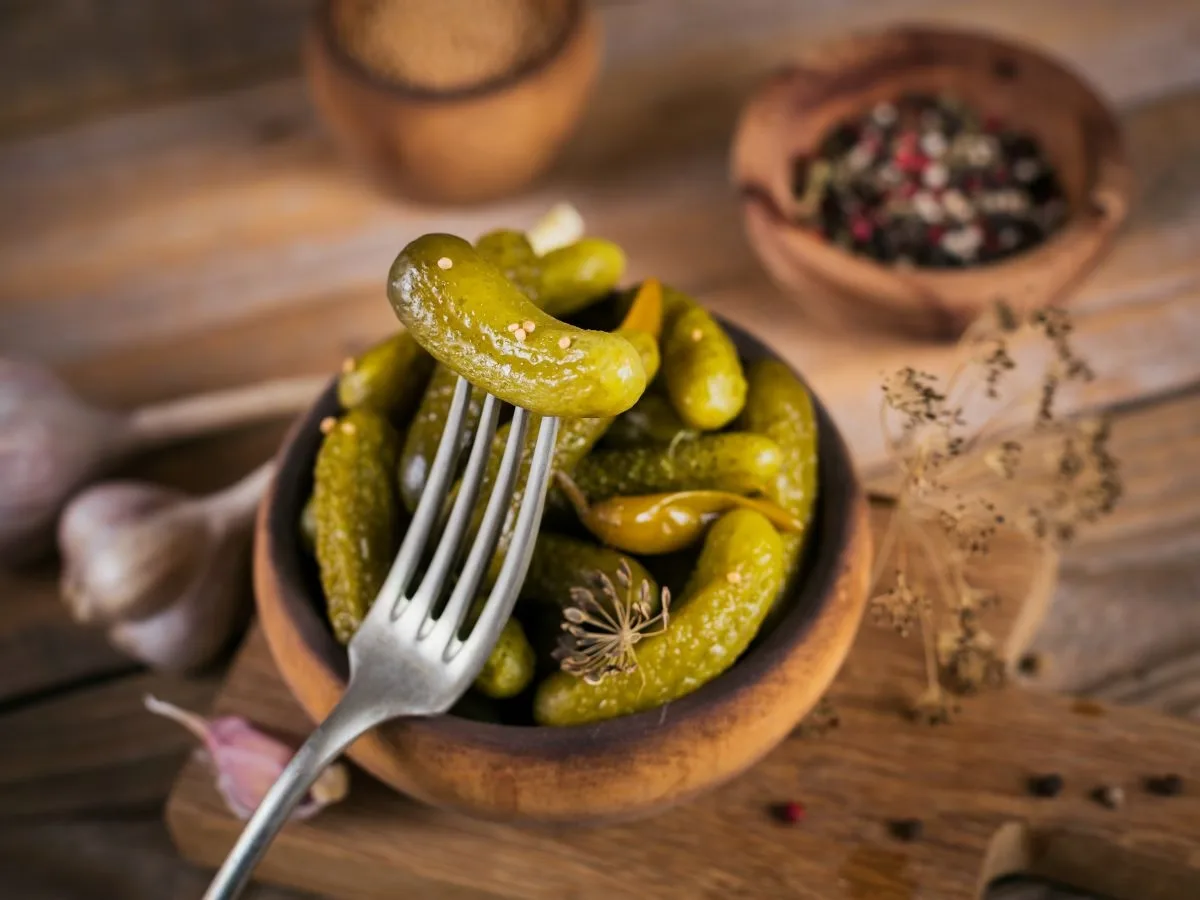 From Clay to Jar, From Steel Tanks to Modern Tables: The Evolving Journey of Pickle
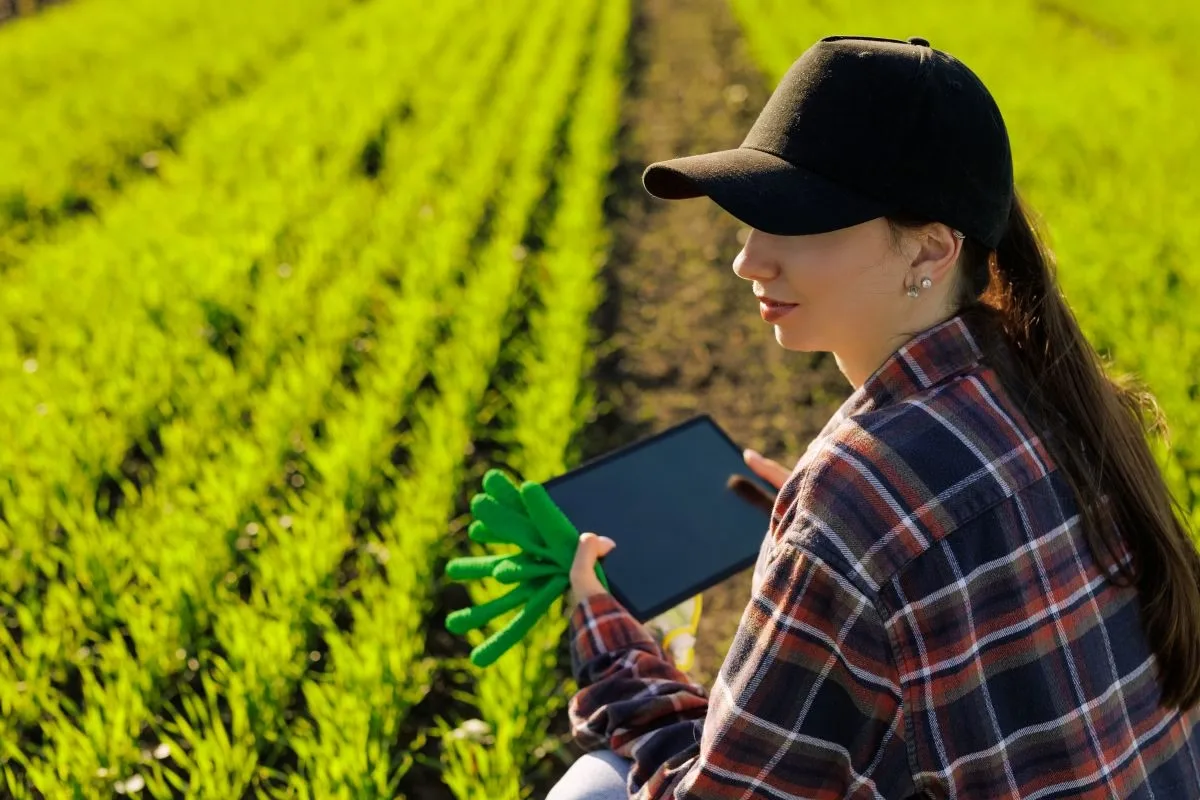 The Farmer’s New Assistant: AI-Powered Agricultural Decisions
 The Journey of a Drop of Water: The Importance of Water Efficiency in Food Production
 The Return of Fermented Cultures: Why Are Traditional Flavors Rising Again?