
The global food system has long been built on high yields, low costs, and rapid supply cycles. However, the environmental, cultural, and social costs of this system have now reached an undeniable point. It is at this juncture that the Slow Food Movement, born in Italy in the late 1980s, stands out not only as a gastronomic stance but also as a cultural and environmental resistance. So, what is the relationship of this movement with local producers? And can it truly bring global balance to our tables?
Cultural Resistance Against Industrial Speed
The Slow Food Movement is not just about "eating more slowly"; it also means restructuring production, consumption, and consumer preferences. Preserving local seeds, keeping traditional production methods alive, and ensuring food sovereignty are among the cornerstones of this movement. The damage caused by industrial agriculture to nature, the homogenization of tastes, and the marginalization of small farmers provide strong justifications for this new paradigm. Slow Food proposes a fairer, cleaner, and more sustainable future by preserving the soul of the soil and the character of local flavors.Local Producer: The Key to Global Balance
The success of Slow Food largely rests on the shoulders of local producers. Because the local producer:- Builds a relationship with the soil through wisdom passed down from generation to generation.
- Carries traces of identity, culture, and geography in their products.
- Produces on a human scale rather than an industrial one; thus reducing waste and pressure on nature.
 What Is Pickle Juice — and What Is It Good For?
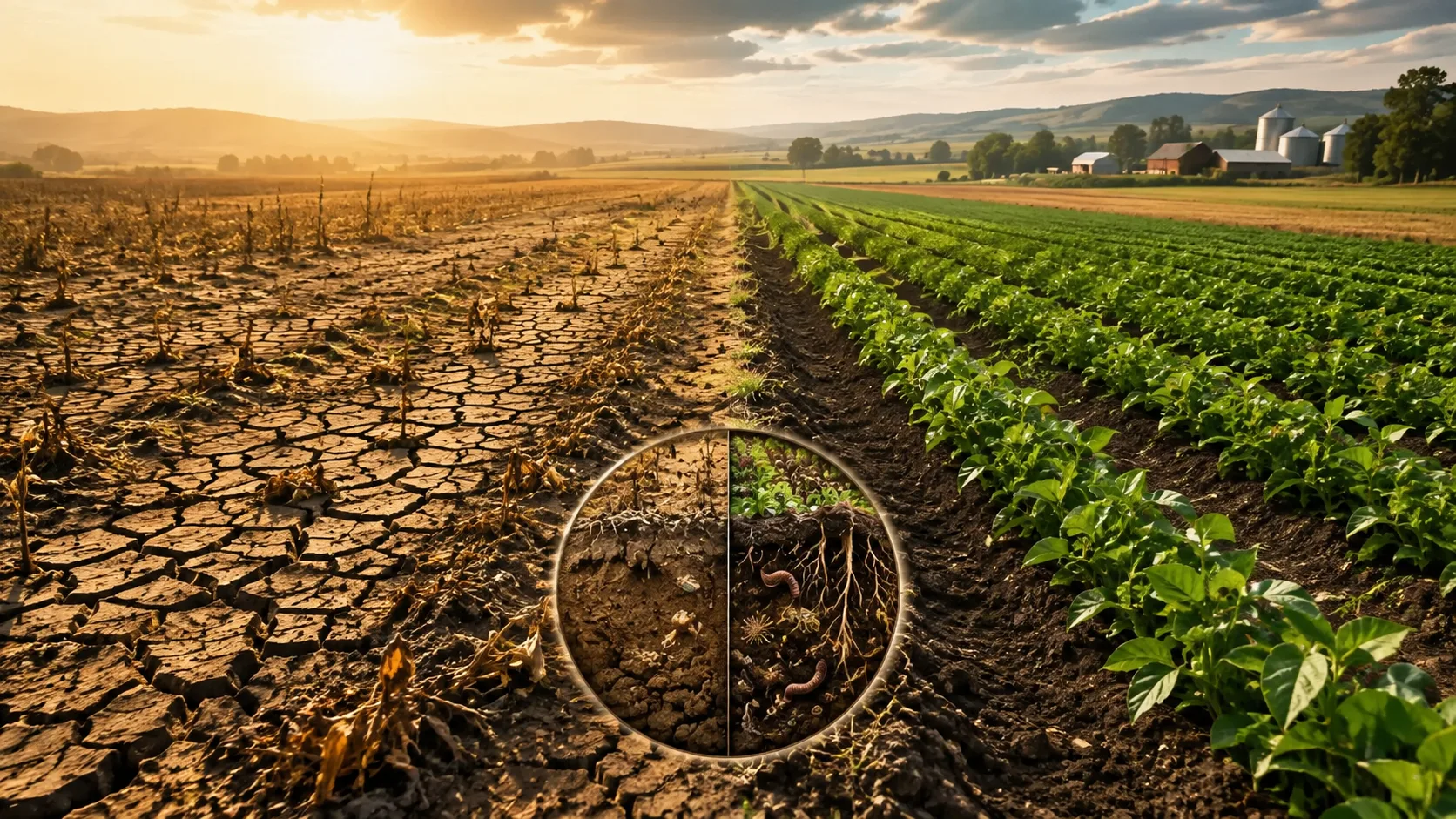 Soil Fatigue: The Silent Threat to Productive Agriculture
 From Clay to Jar, From Steel Tanks to Modern Tables: The Evolving Journey of Pickle
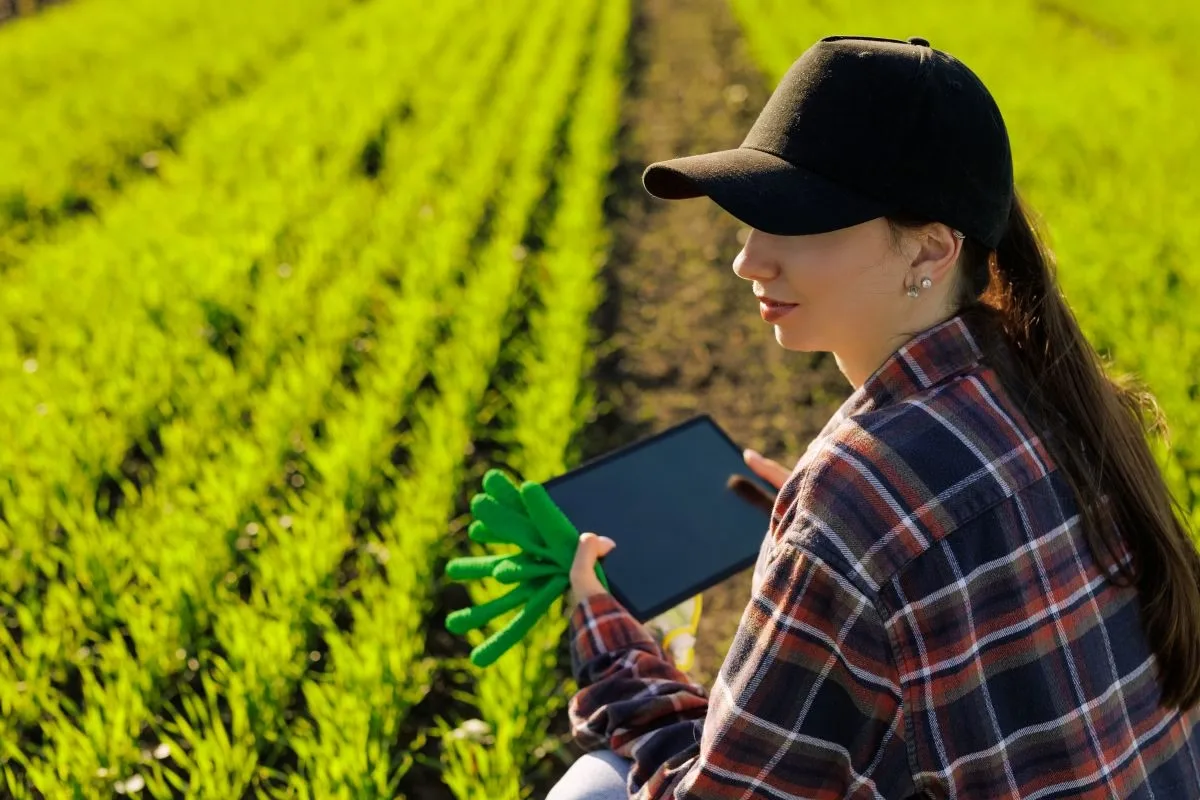 The Farmer’s New Assistant: AI-Powered Agricultural Decisions
 The Journey of a Drop of Water: The Importance of Water Efficiency in Food Production
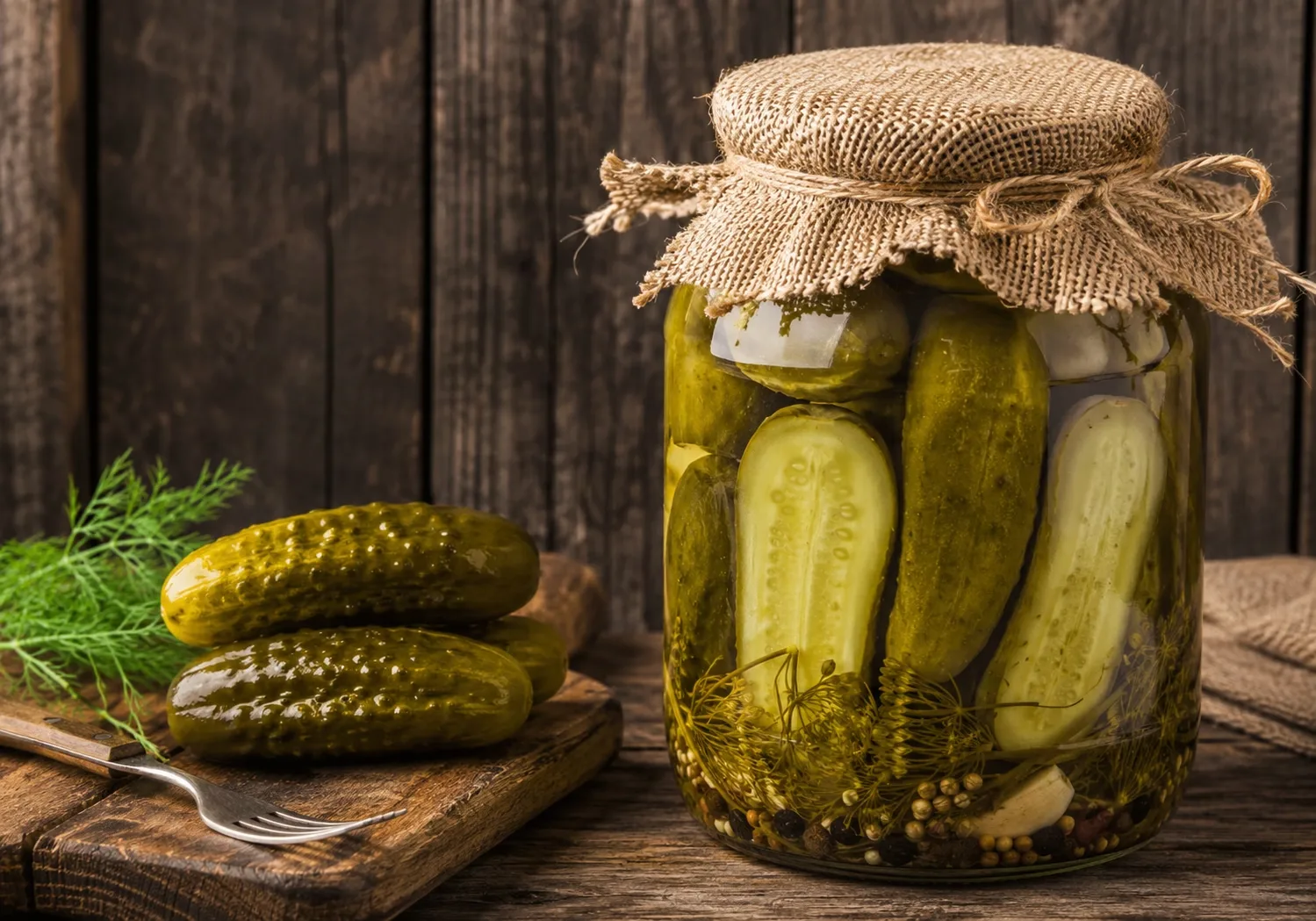 The Return of Fermented Cultures: Why Are Traditional Flavors Rising Again?