

With their sharp, distinctive taste, pickles can become the star of a table, and with their cultural background, they act like a time capsule. Fermented foods, born from humanity’s centuries-old effort to preserve nature and trap the seasons in jars, are today not only a tradition but also a rising star of sustainable gastronomy.
In this article, let us explore together where pickles come from and where they are heading. Are pickles confined to the kitchens of the past, or are they claiming a strong place on the innovative tables of the future?
An Ancient Art of Preservation: The Origins of Pickling
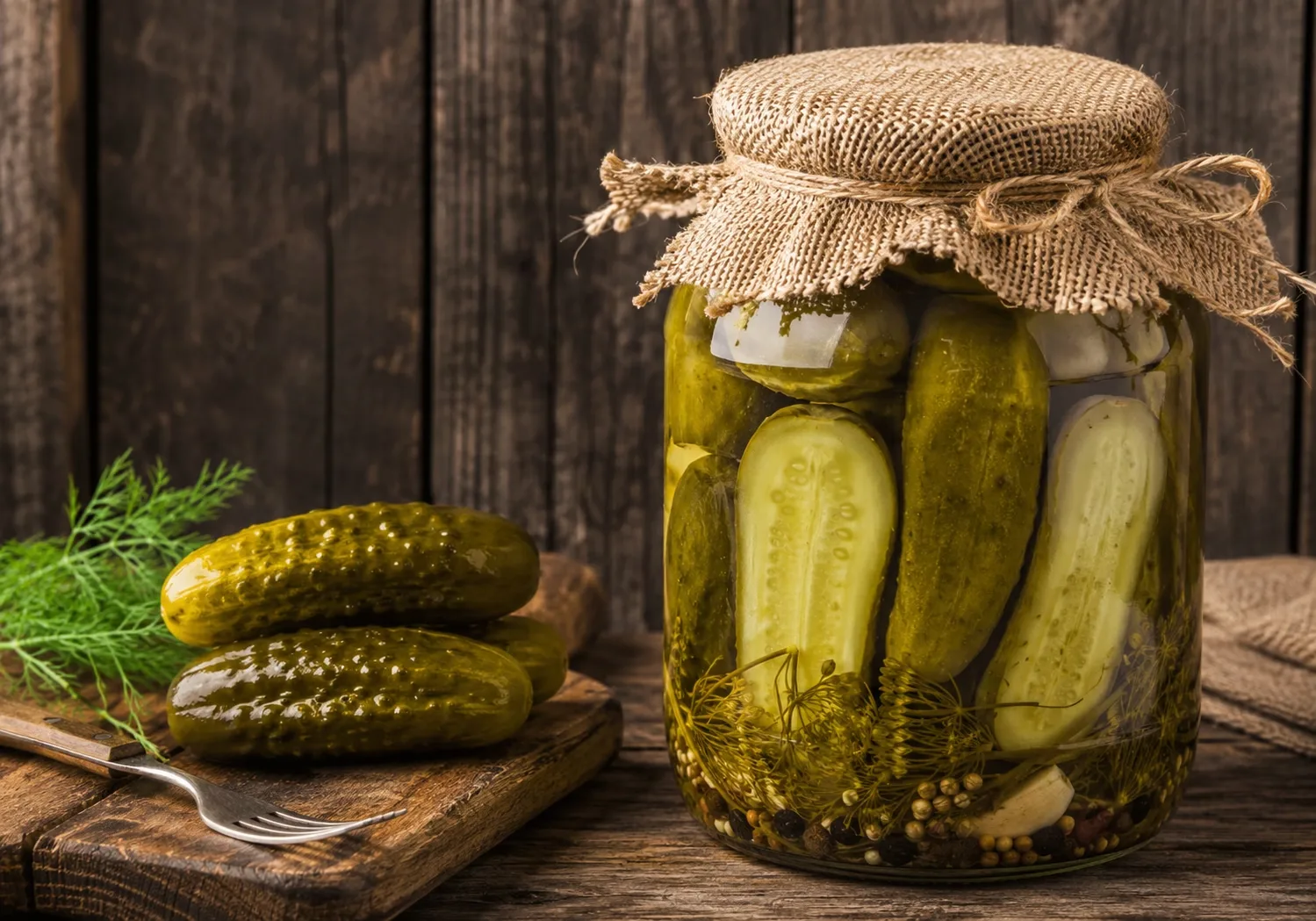
When we look at the history of the first pickles, it is possible to trace them back as far as 2000 BCE. From Mesopotamia to China, from Anatolia to the Balkans, many civilizations succeeded in preserving vegetables for longer periods by fermenting them in vinegar, brine, or their own juices. This was not merely a preservation method, but also one of the most important techniques of food protection and flavoring of its time. The mixed homemade pickles still prepared in Anatolia today are a clear example of how this traditional knowledge has been passed down from generation to generation. The gathering of cucumbers, cabbage, carrots, peppers, garlic, and tomatoes in the same jar feels like a metaphor not only for flavor, but also for cultural togetherness.The New-Generation Consumer and the Evolution of Pickles
Millennials and Generation Z do not only want to feel full; they want to know what they are eating. Ingredient transparency, additive use, production methods, and sustainability increasingly shape consumer preferences. In this context:- Handmade, additive-free, and low-salt pickles stand out.
- Pickles prepared with organic produce harvested in season are preferred.
- Alongside the search for new flavors, innovative recipes such as smoked-garlic, turmeric-infused, and beet pickles are finding their place on shelves.
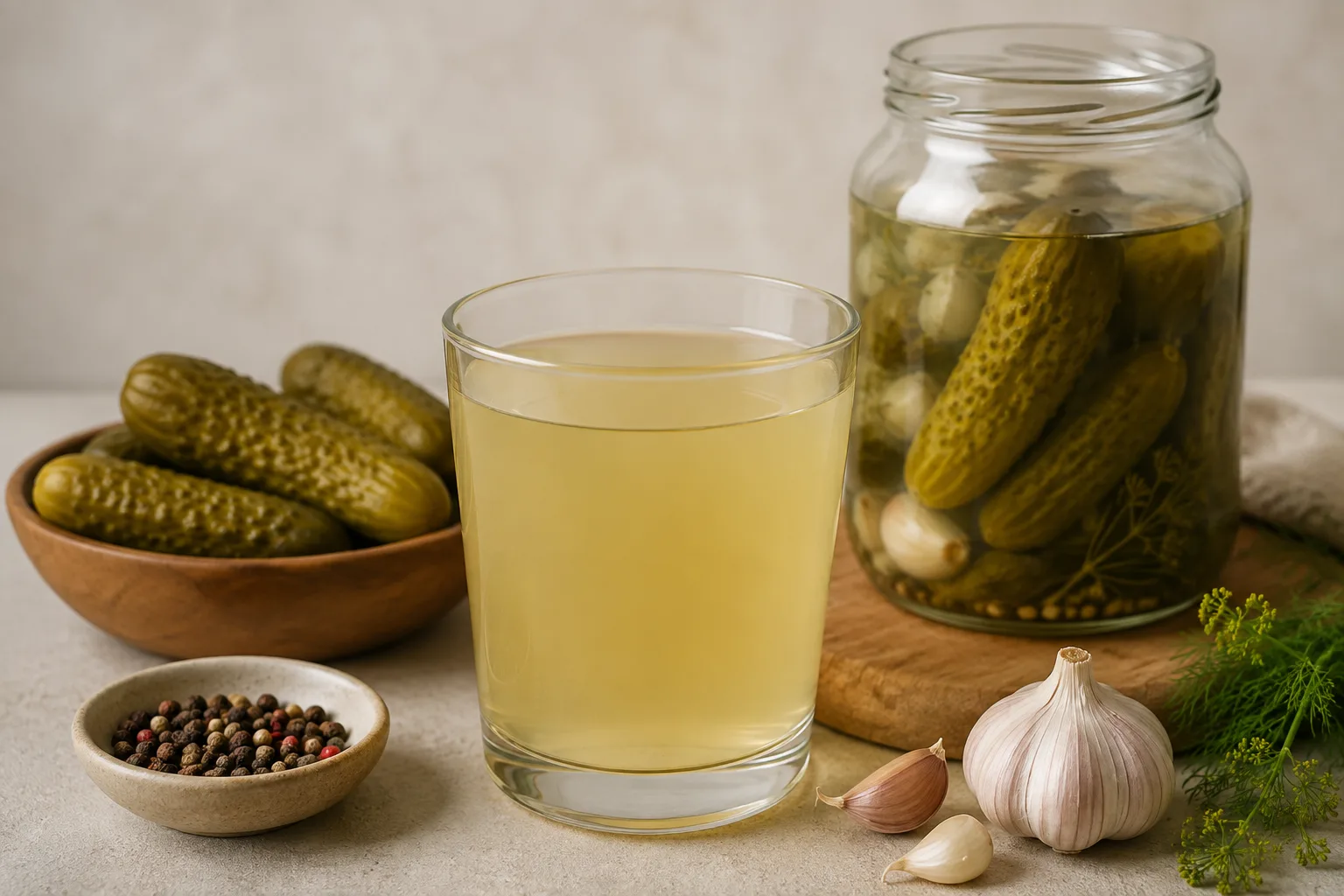 What Is Pickle Juice — and What Is It Good For?
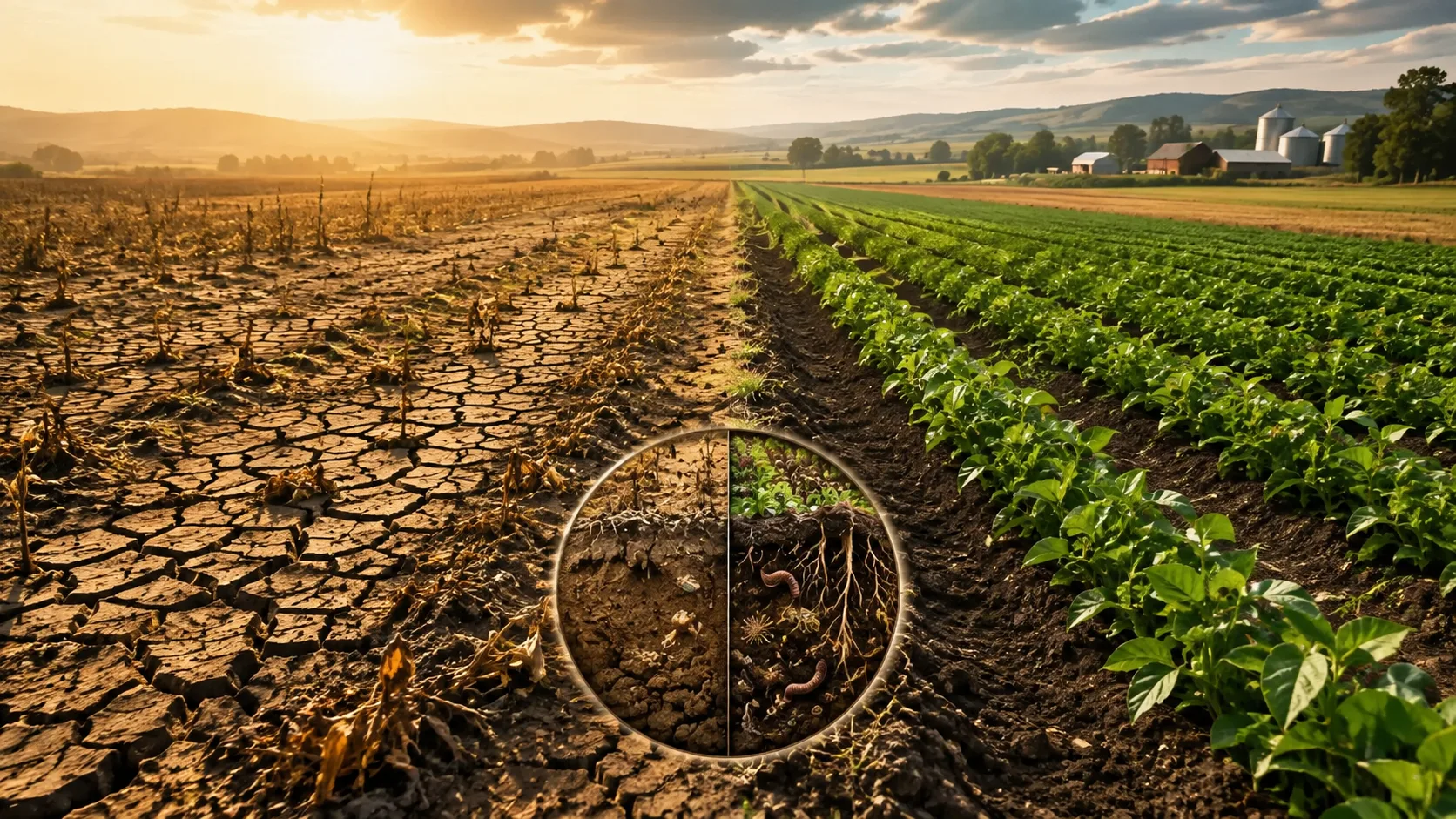 Soil Fatigue: The Silent Threat to Productive Agriculture
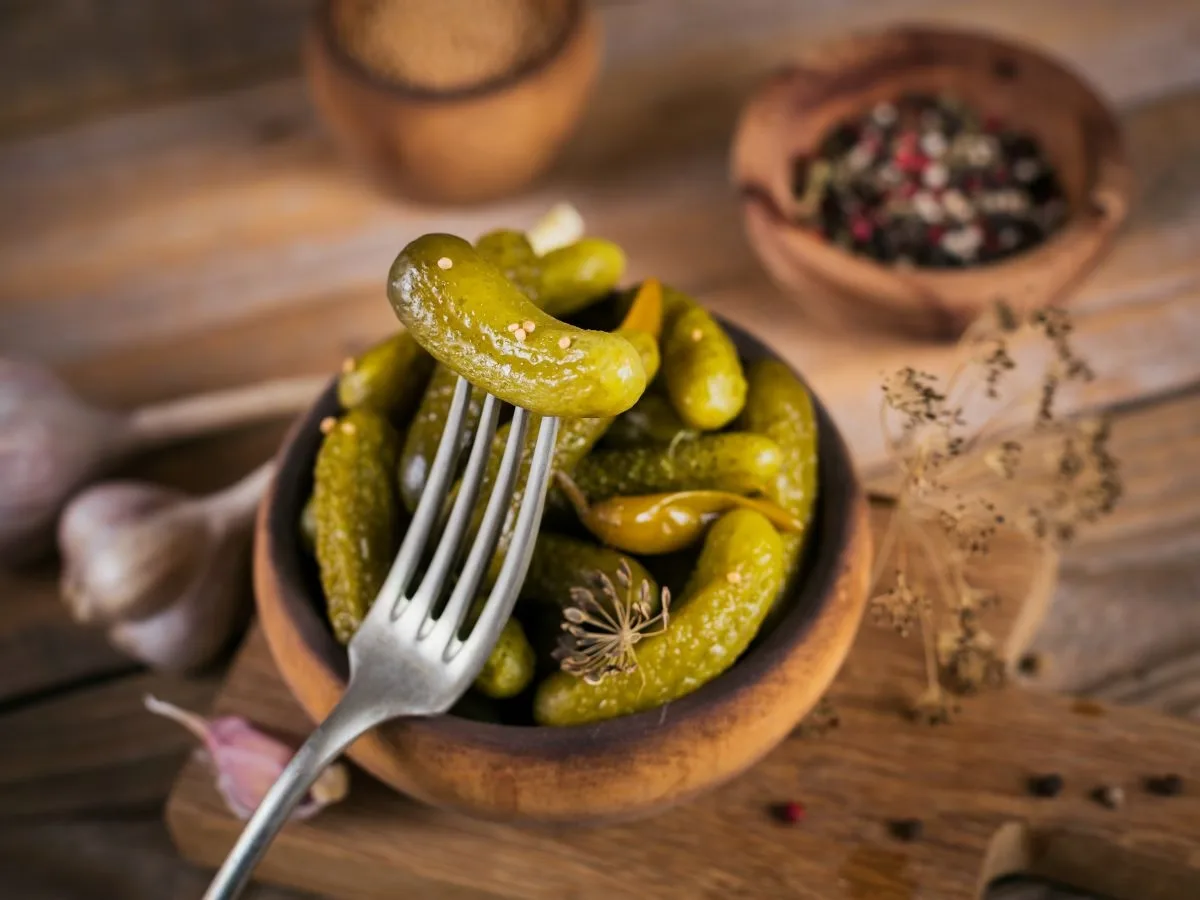 From Clay to Jar, From Steel Tanks to Modern Tables: The Evolving Journey of Pickle
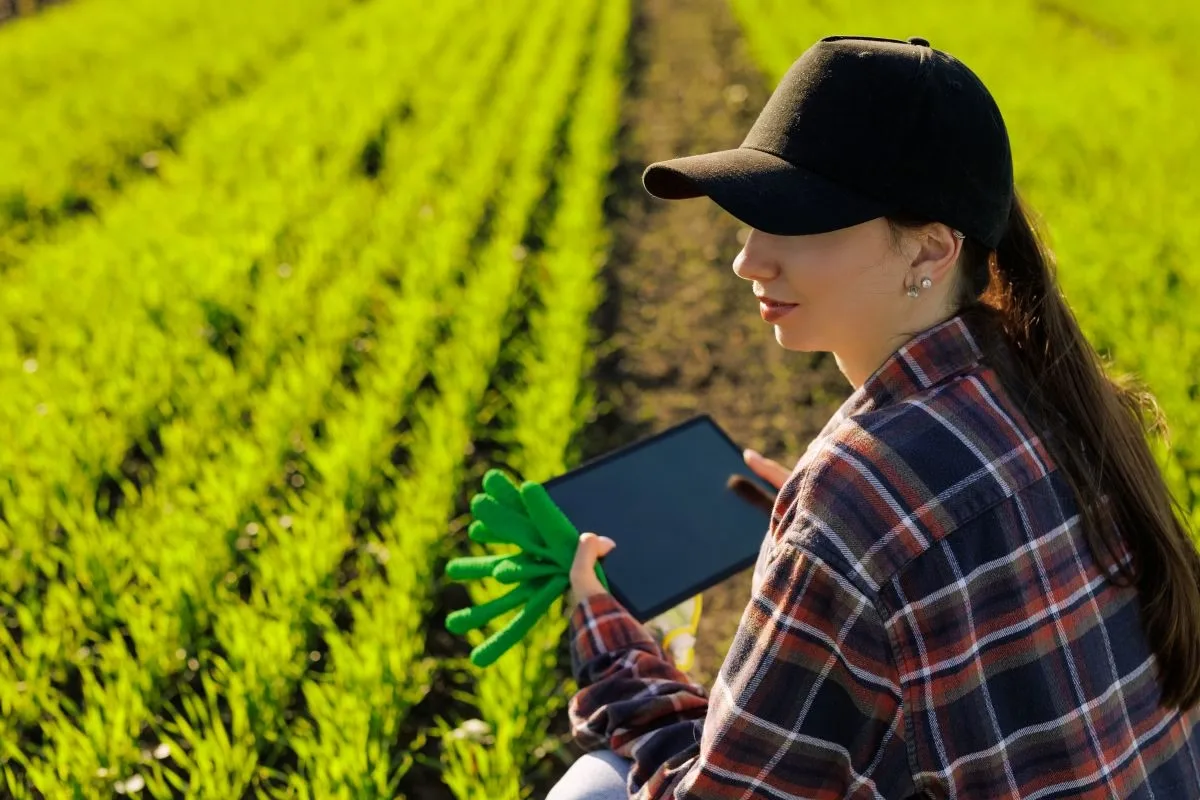 The Farmer’s New Assistant: AI-Powered Agricultural Decisions
 The Journey of a Drop of Water: The Importance of Water Efficiency in Food Production
 The Return of Fermented Cultures: Why Are Traditional Flavors Rising Again?