

Soil speaks. Sometimes through a crack, a wilted leaf, or a delay in crop growth. But understanding this silent language has never been easy. Today’s farmers no longer rely solely on their eyes to interpret nature’s subtle signs—they read them through data. Field sensors, one of the most powerful manifestations of agricultural digitalization, have begun keeping a diary of the soil. And these diaries don’t just document the present; they plan for the future.
Where Soil Meets Technology
Sensors, a cornerstone of smart agriculture, are small yet powerful devices placed throughout fields. These sensors enable the real-time collection of data such as:- Soil moisture levels,
- Temperature and pH values,
- Weather conditions,
- Plant growth metrics,
- Sunlight exposure duration,
- Risks of diseases and pests.
What Is a Field Diary? What Does It Tell?
Data from field sensors forms a digital diary, with each page capturing the field’s mood for the day:- “Soil moisture dropped below critical levels today; irrigation is needed.”
- “Last night’s temperature fell below freezing; there’s a risk of frost.”
- “Rising humidity in the area has increased the risk of leaf mold.”
Smart Decisions with Sensor Data
A field that speaks through data enables:- Improved irrigation efficiency: Unnecessary water use is minimized.
- Optimized fertilization: Dosage and timing are tailored to the plant’s needs.
- Time and labor savings: Remote monitoring replaces the need to physically inspect fields.
- Minimized yield losses: Early detection of disease and stress indicators.
From Large Fields to Small Gardens: Accessible to All
Sensor technology isn’t just for large operations—it’s also accessible to medium and small-scale farmers. Today, sensor systems integrated with mobile apps offer user-friendly interfaces that provide clear reports for everyone. Even a balcony garden in the city can benefit from a moisture sensor to optimize watering habits. In essence, technology is transforming not only yields but also our relationship with nature.A Data-Driven Ecosystem
Collecting data is just the beginning; interpreting and acting on it is the real challenge. Sensor-driven fields don’t just create “smart” systems—they build responsive ones. Over time, accumulated data allows farmers to:- Compare with previous years,
- Identify the impacts of climate change,
- Make more accurate predictions for future seasons.
 What Is Pickle Juice — and What Is It Good For?
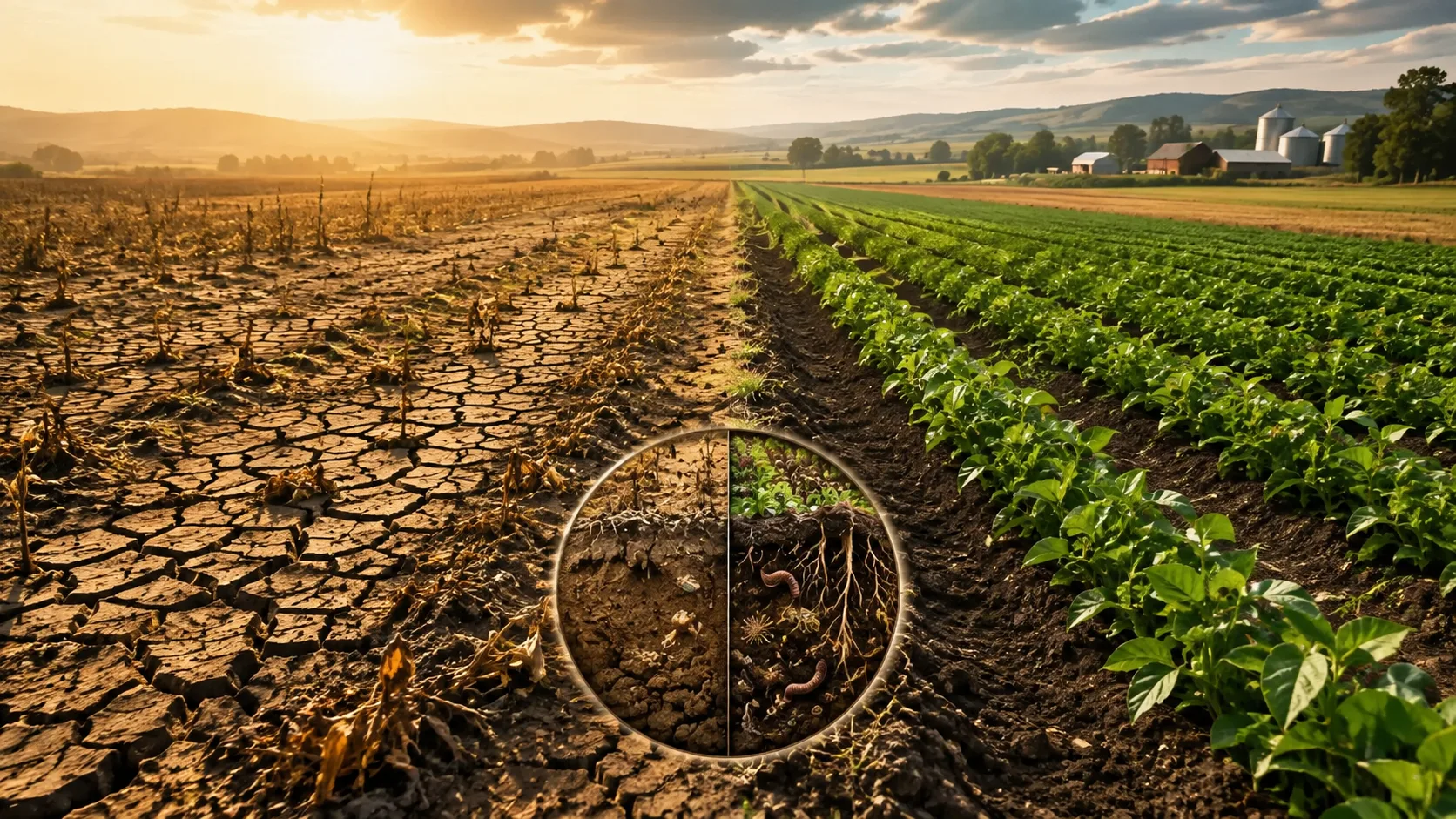 Soil Fatigue: The Silent Threat to Productive Agriculture
 From Clay to Jar, From Steel Tanks to Modern Tables: The Evolving Journey of Pickle
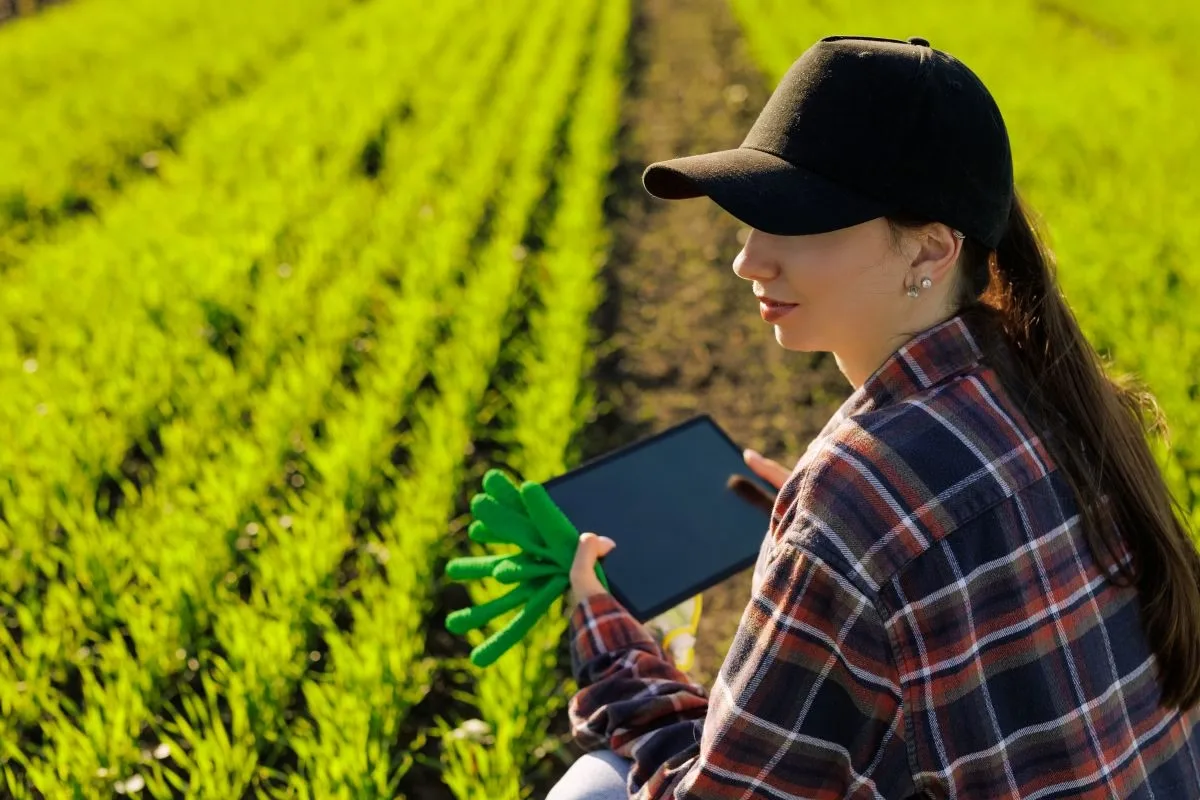 The Farmer’s New Assistant: AI-Powered Agricultural Decisions
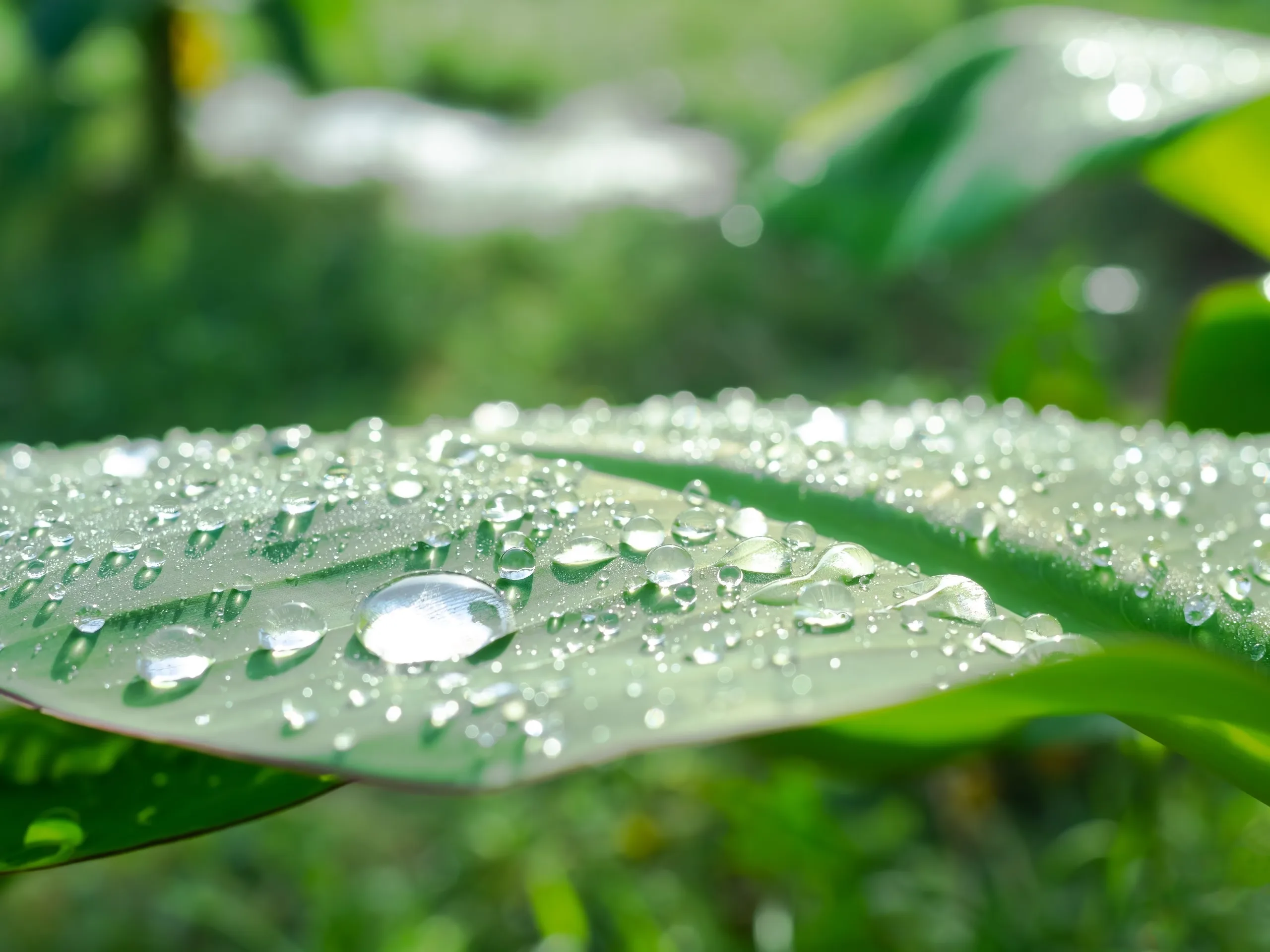 The Journey of a Drop of Water: The Importance of Water Efficiency in Food Production
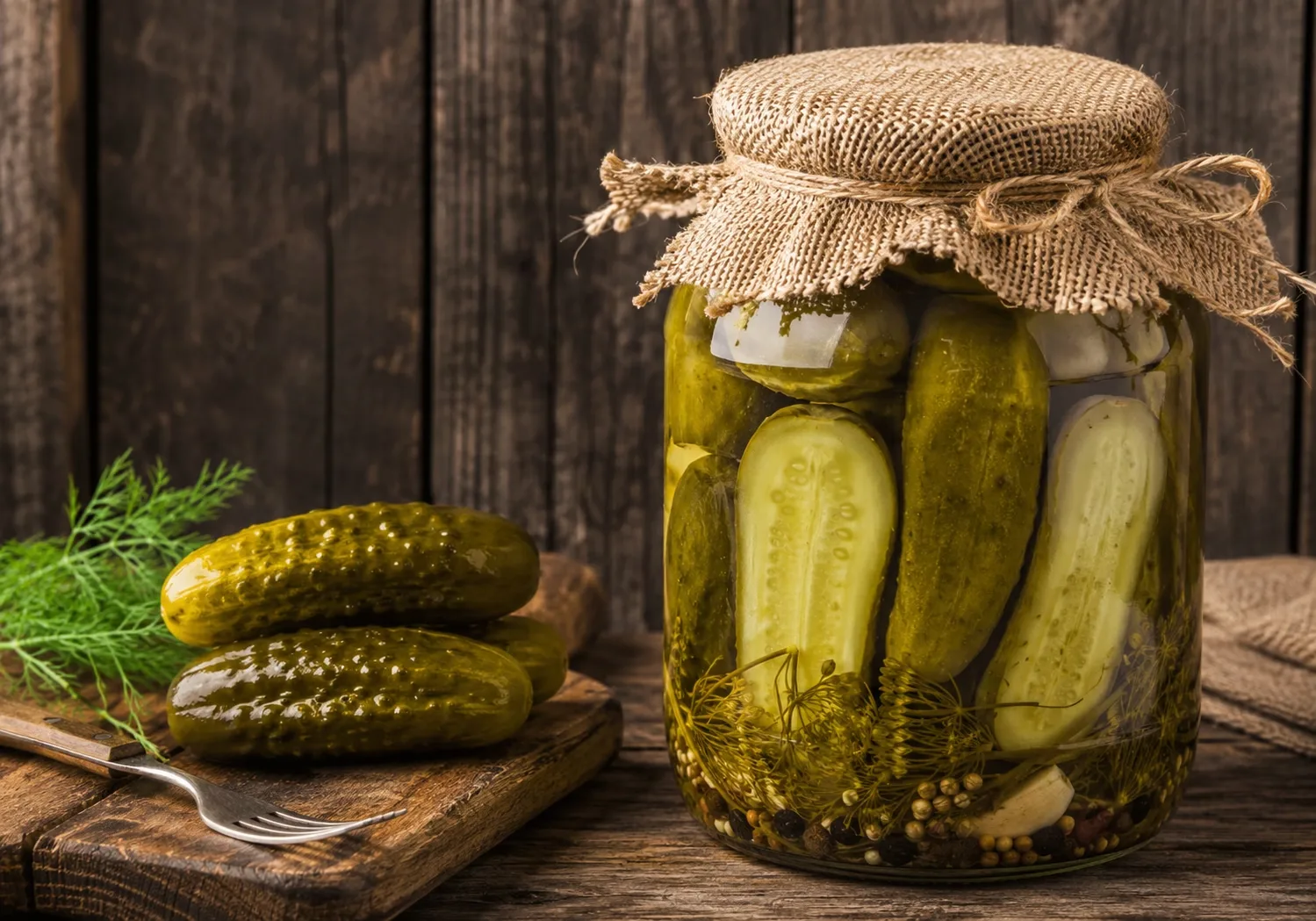 The Return of Fermented Cultures: Why Are Traditional Flavors Rising Again?