

For many years, the modern food system has focused on a single goal: making every product available at any time of the year. Thanks to global supply chains, advanced storage techniques, and intensive production models, many foods can now reach our tables regardless of season. However, the environmental and economic costs of this convenience are becoming increasingly visible. Today, both producers and consumers are rediscovering an important concept: seasonality. A production approach that aligns with nature’s rhythm is once again emerging as a cornerstone of sustainable agriculture.
Why Seasonality Matters
Agriculture naturally develops in harmony with the seasons. The growth cycle of plants depends on factors such as temperature, sunlight, and rainfall. Growing a product in its natural season leads to a healthier and more efficient production process.
Seasonal production:
- Requires less energy and fewer resources
- Reduces the need for chemical inputs
- Preserves the natural flavor and nutritional value of products
- Supports soil health
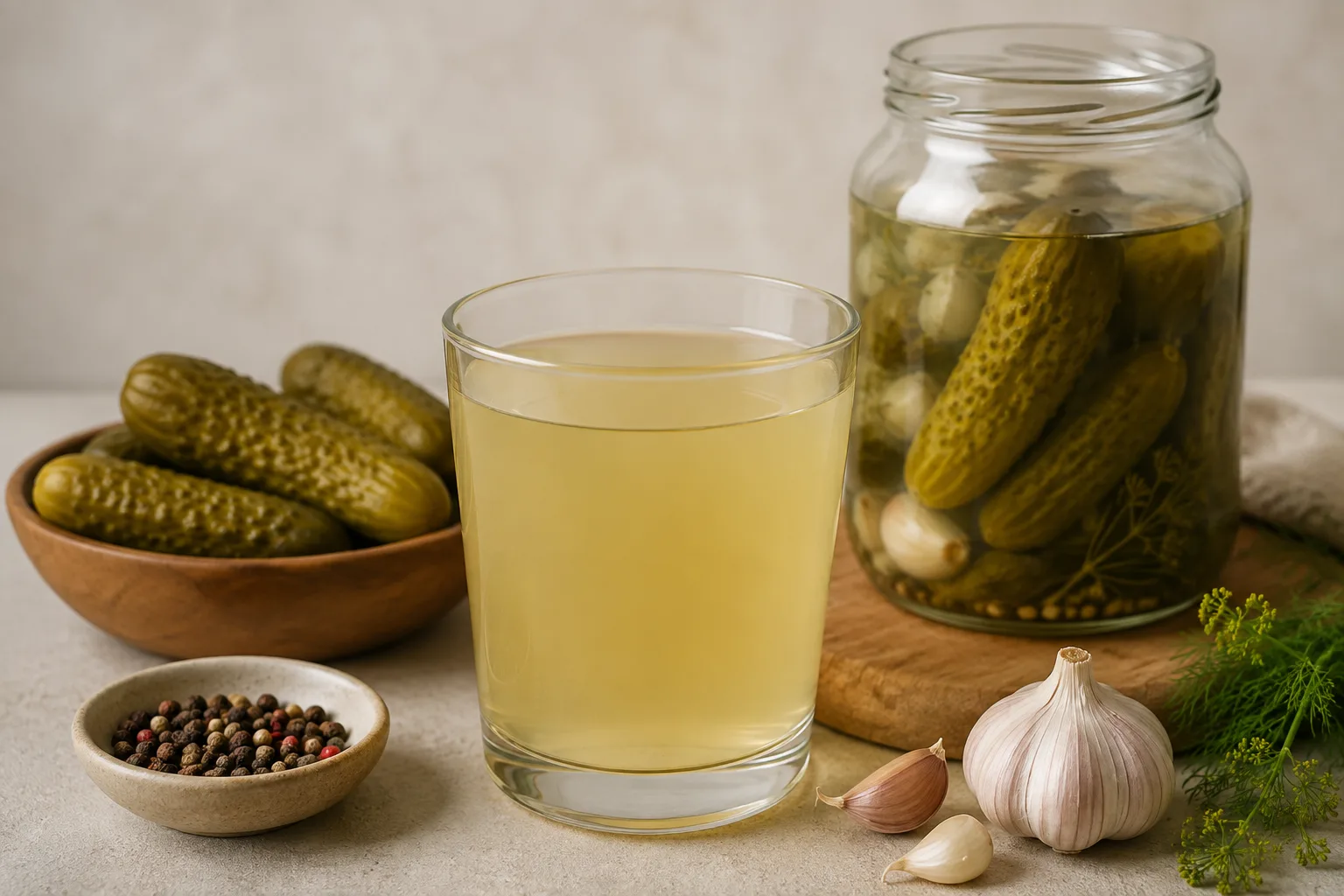 What Is Pickle Juice — and What Is It Good For?
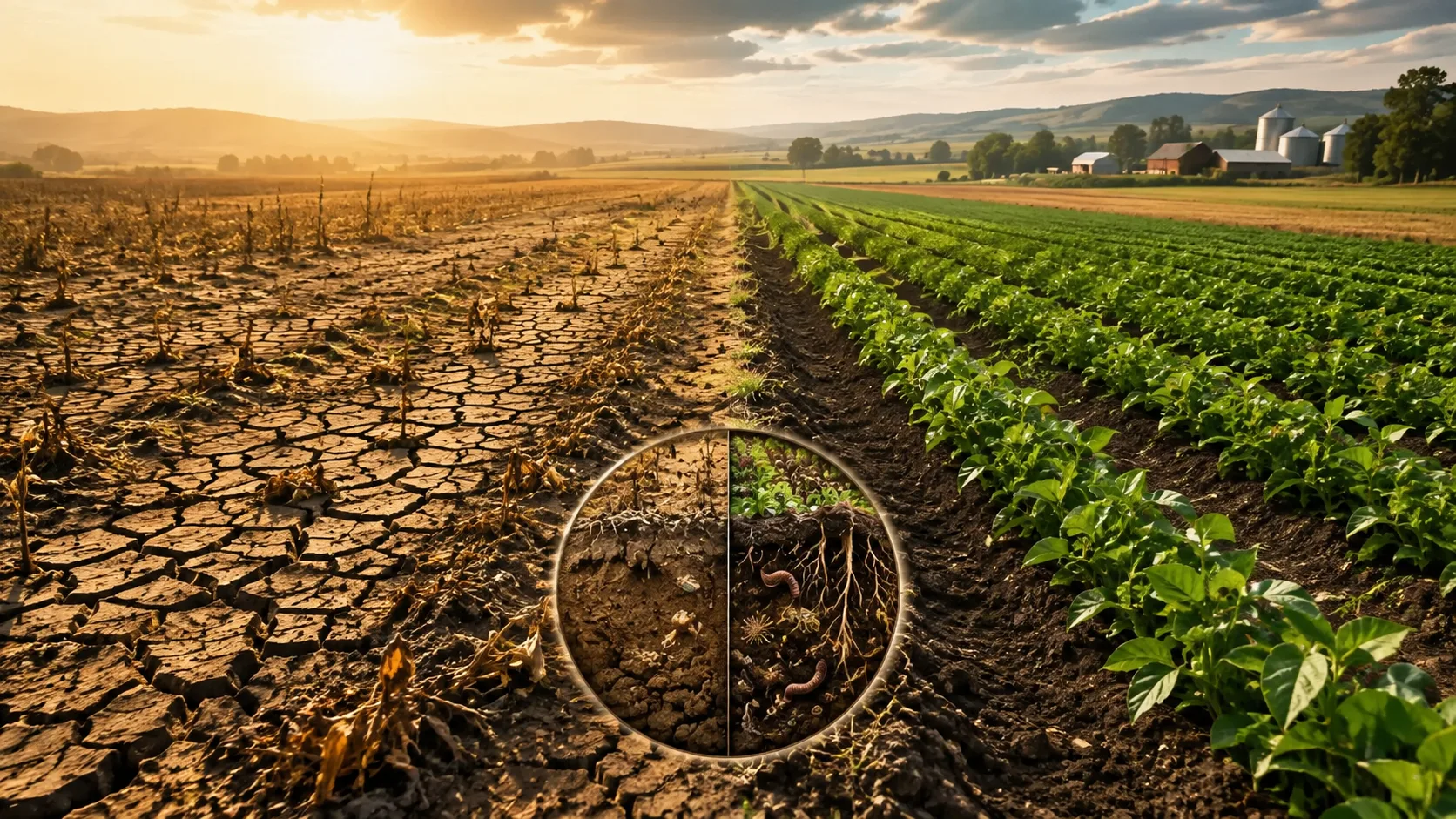 Soil Fatigue: The Silent Threat to Productive Agriculture
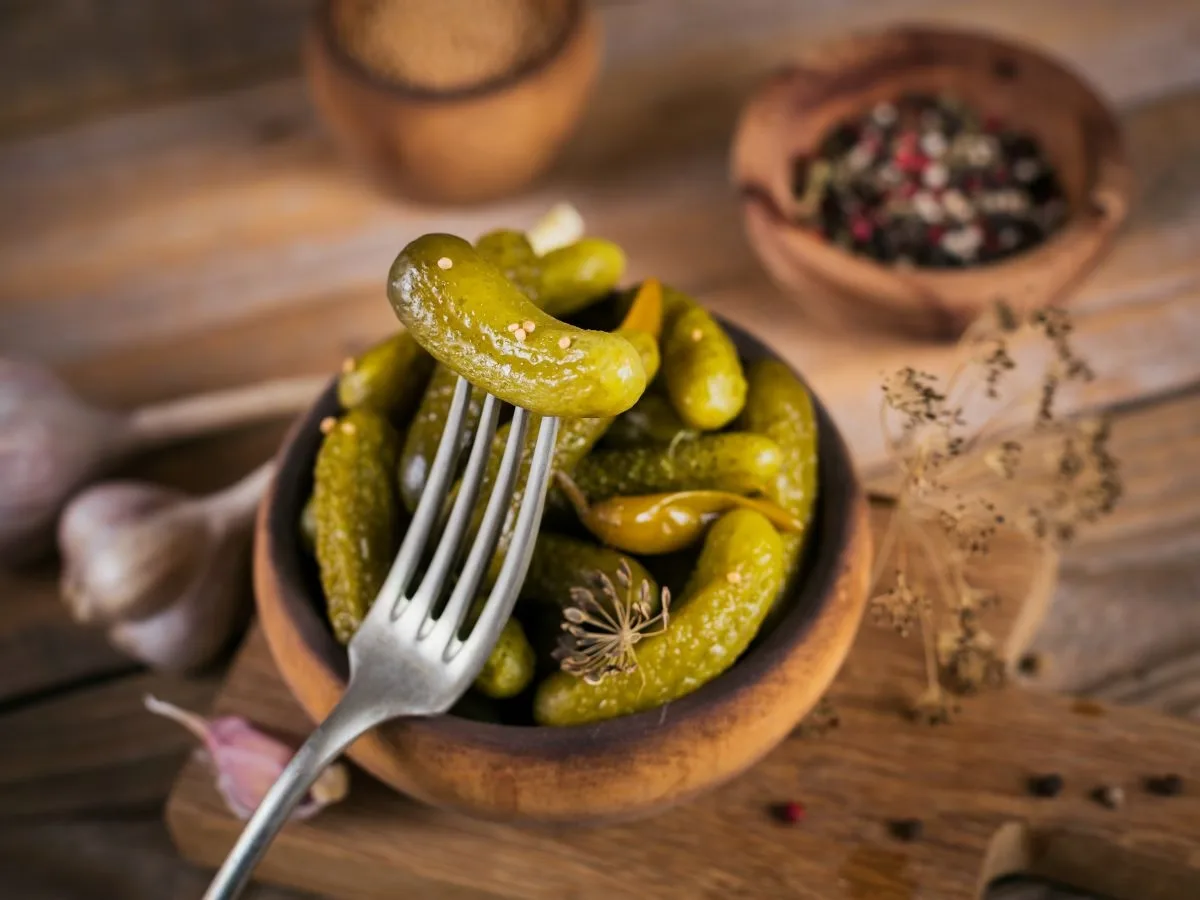 From Clay to Jar, From Steel Tanks to Modern Tables: The Evolving Journey of Pickle
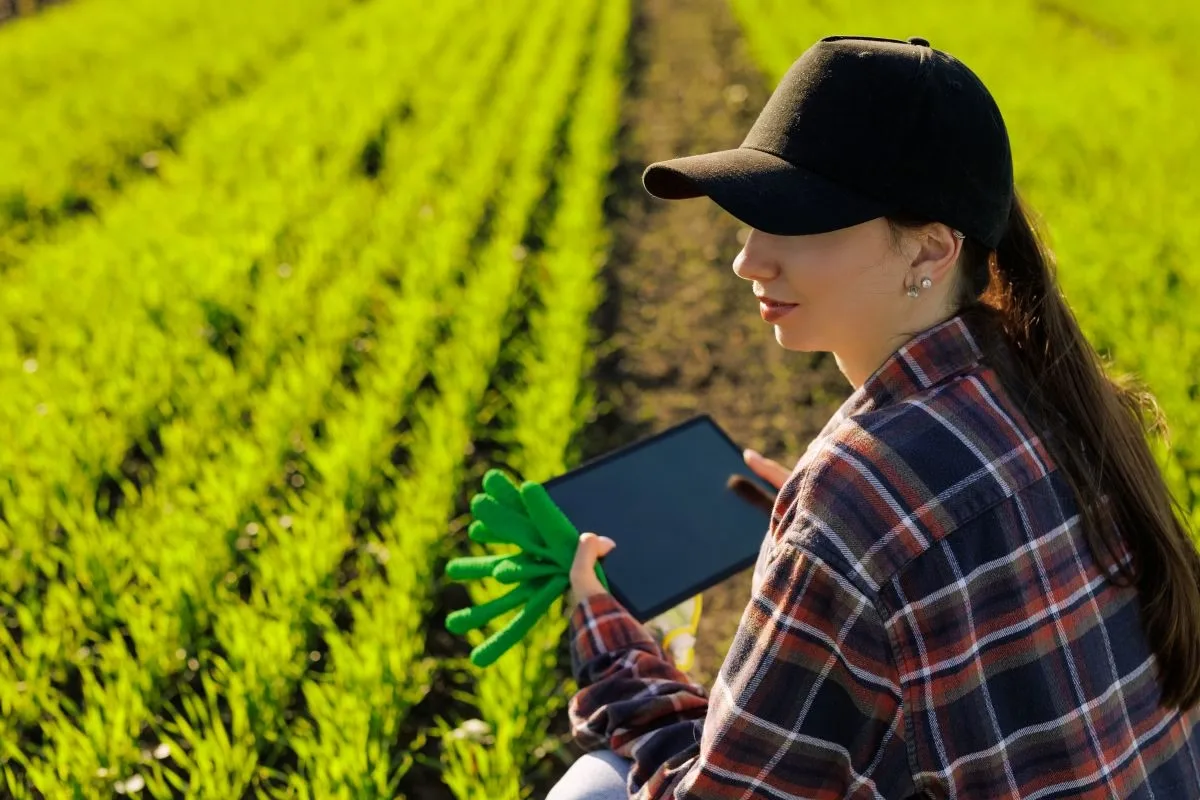 The Farmer’s New Assistant: AI-Powered Agricultural Decisions
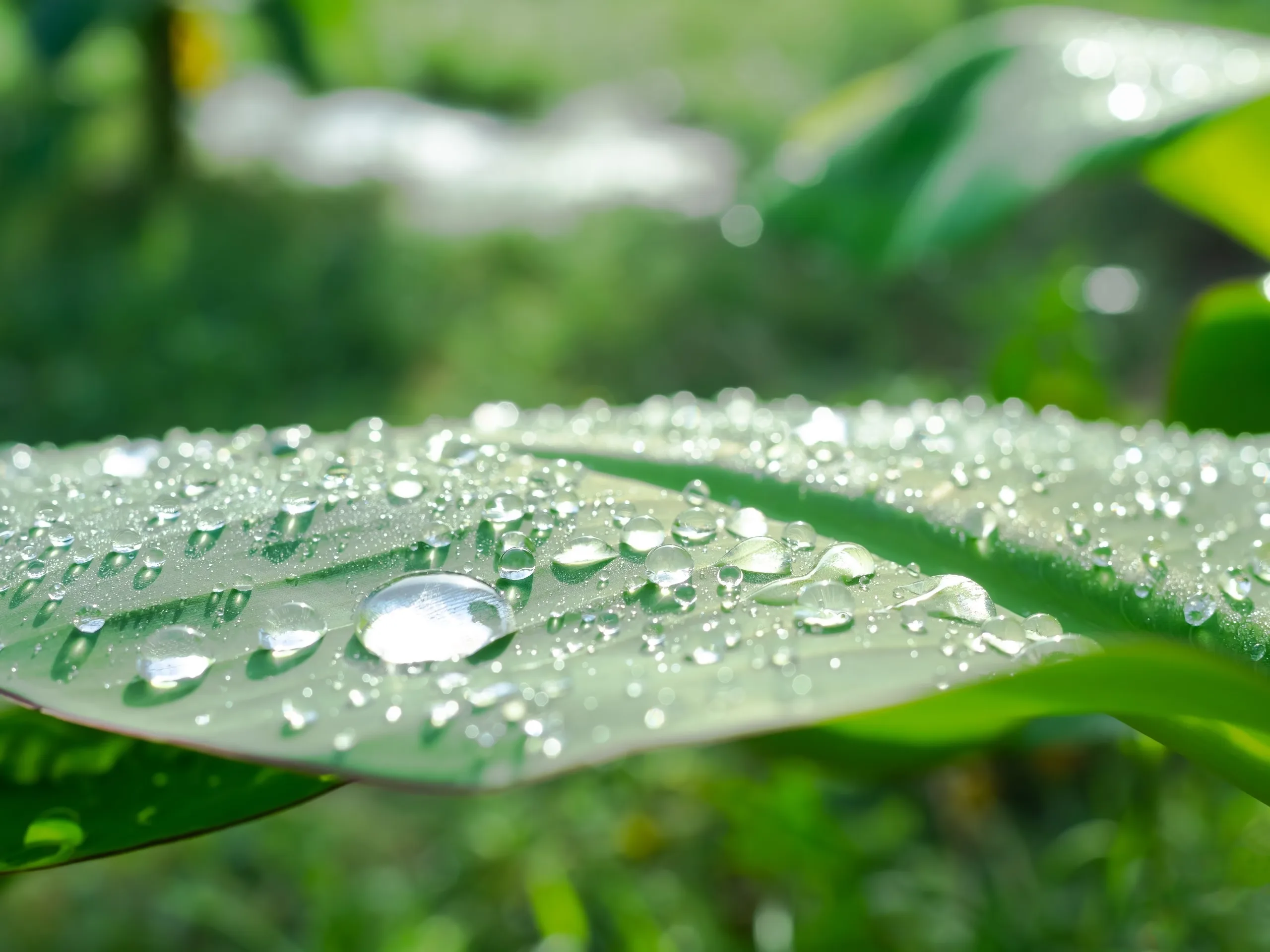 The Journey of a Drop of Water: The Importance of Water Efficiency in Food Production
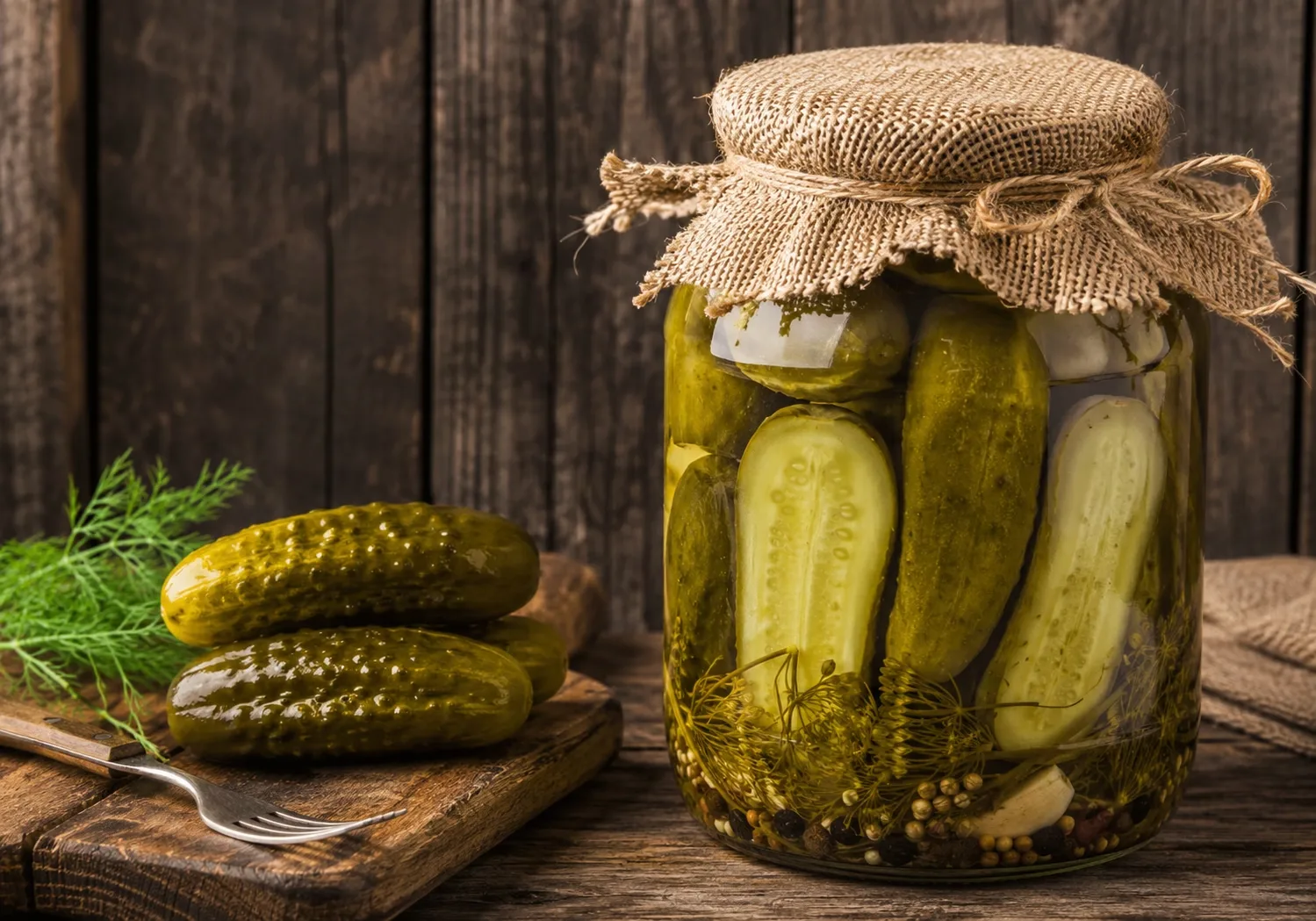 The Return of Fermented Cultures: Why Are Traditional Flavors Rising Again?