
Food preservation methods emerged as one of humanity’s most fundamental needs. In order to store harvested products for longer periods, overcome seasonal limitations, and prepare for times of scarcity, societies developed various techniques. Drying, salting, fermentation, and canning became not only practical solutions but also part of cultural heritage. One of the most visible symbols of this heritage is undoubtedly the jar. Frequently encountered today in modern kitchens, supermarket shelves, and the world of gastronomy, the jar represents a powerful preservation culture that stretches from the past into the present.
The Art of Preserving the Season
At the heart of jar culture lies the idea of adapting to nature’s cycle. The abundance of summer harvests is preserved so it can be brought to tables in winter. Vegetables turn into pickles, fruits become jams, and tomatoes are canned. In this way, products are not only preserved but also transformed into new flavors. Although these methods once arose out of necessity, today they are appreciated as a form of gastronomic richness. Foods stored in jars both preserve seasonal produce and remind us of the value of natural production processes.
From Pickles to Jam: The Memory of a Culture
In Anatolian cuisine, jars are not merely kitchen tools; they carry the collective memory of families. Pickles prepared at the end of summer, jams cooked in large pots, and tomatoes canned for winter are all part of a ritual passed down through generations. Each jar holds the harvest of that year, the fertility of the soil, and the traces of labor. For this reason, jar culture symbolizes not only preservation but also traditions of sharing and collective production.
Why Is the Modern Food Industry Returning to Jars?
The renewed popularity of glass jars in today’s food world is no coincidence. Consumers increasingly prefer natural, transparent, and sustainable packaging options.
Glass jars:
- Provide safe storage thanks to their non-reactive structure
- Are reusable and recyclable
- Make the natural quality of the product visible
- Help reduce plastic use
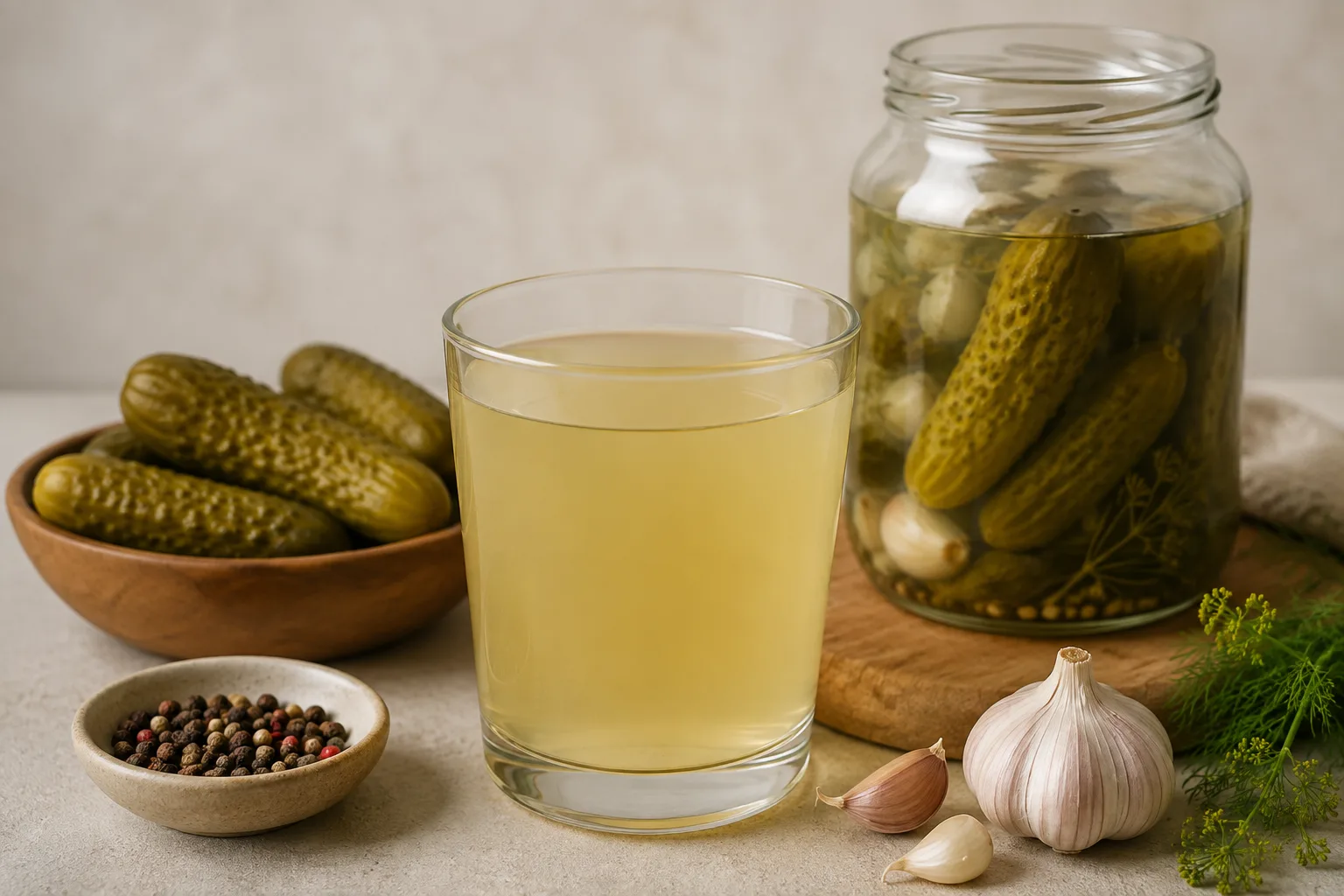 What Is Pickle Juice — and What Is It Good For?
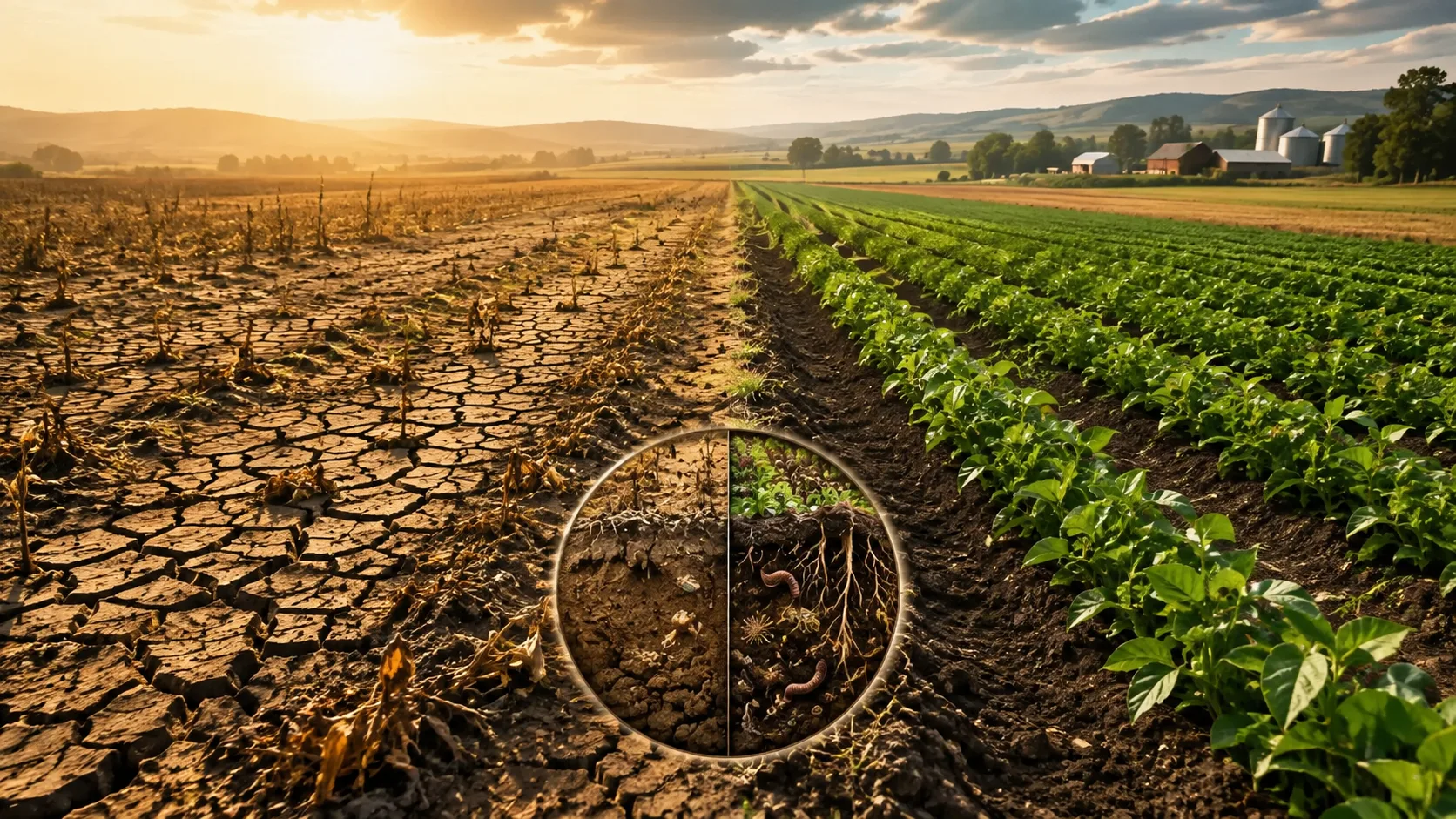 Soil Fatigue: The Silent Threat to Productive Agriculture
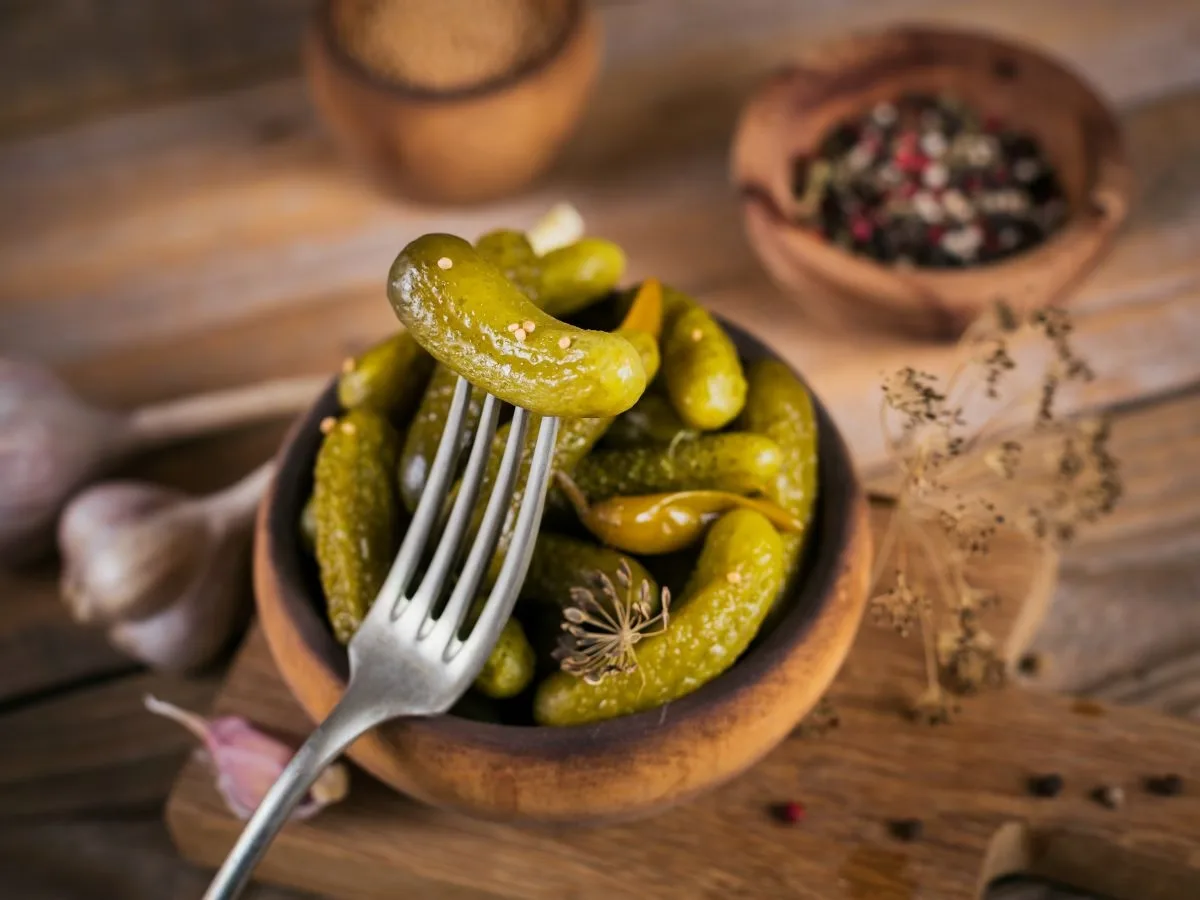 From Clay to Jar, From Steel Tanks to Modern Tables: The Evolving Journey of Pickle
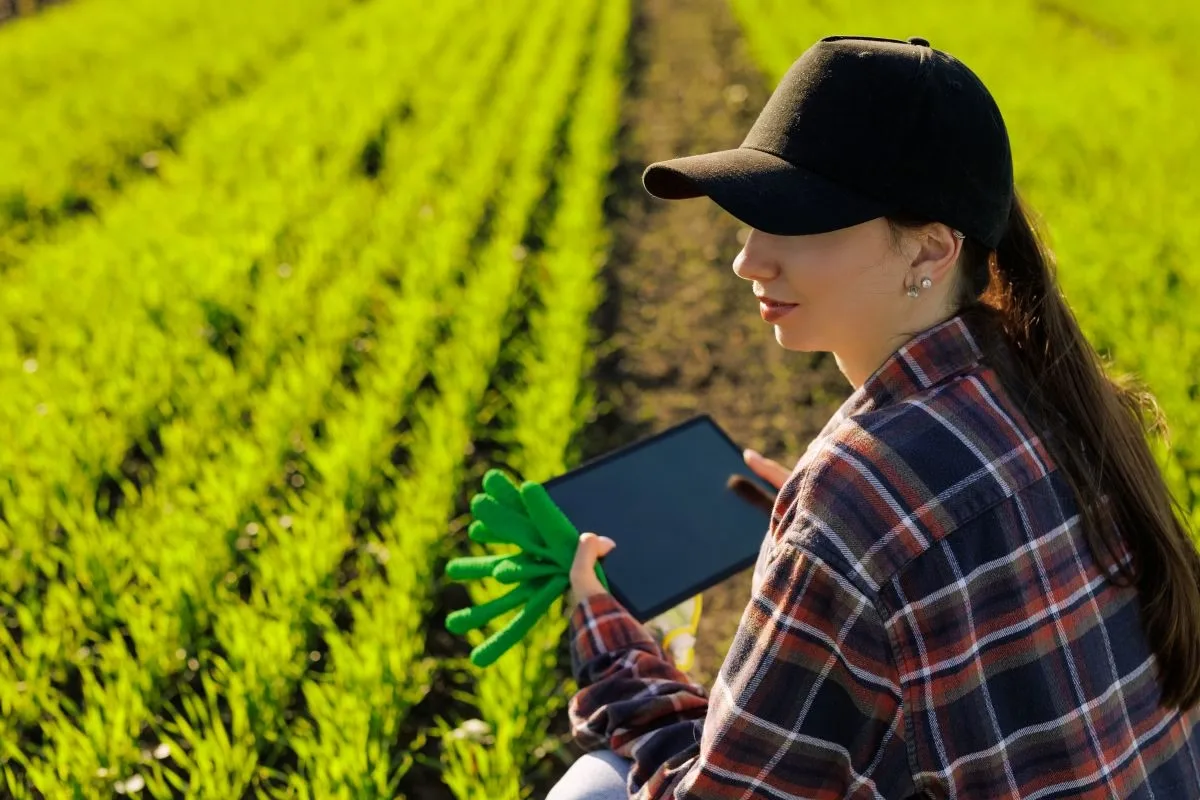 The Farmer’s New Assistant: AI-Powered Agricultural Decisions
 The Journey of a Drop of Water: The Importance of Water Efficiency in Food Production
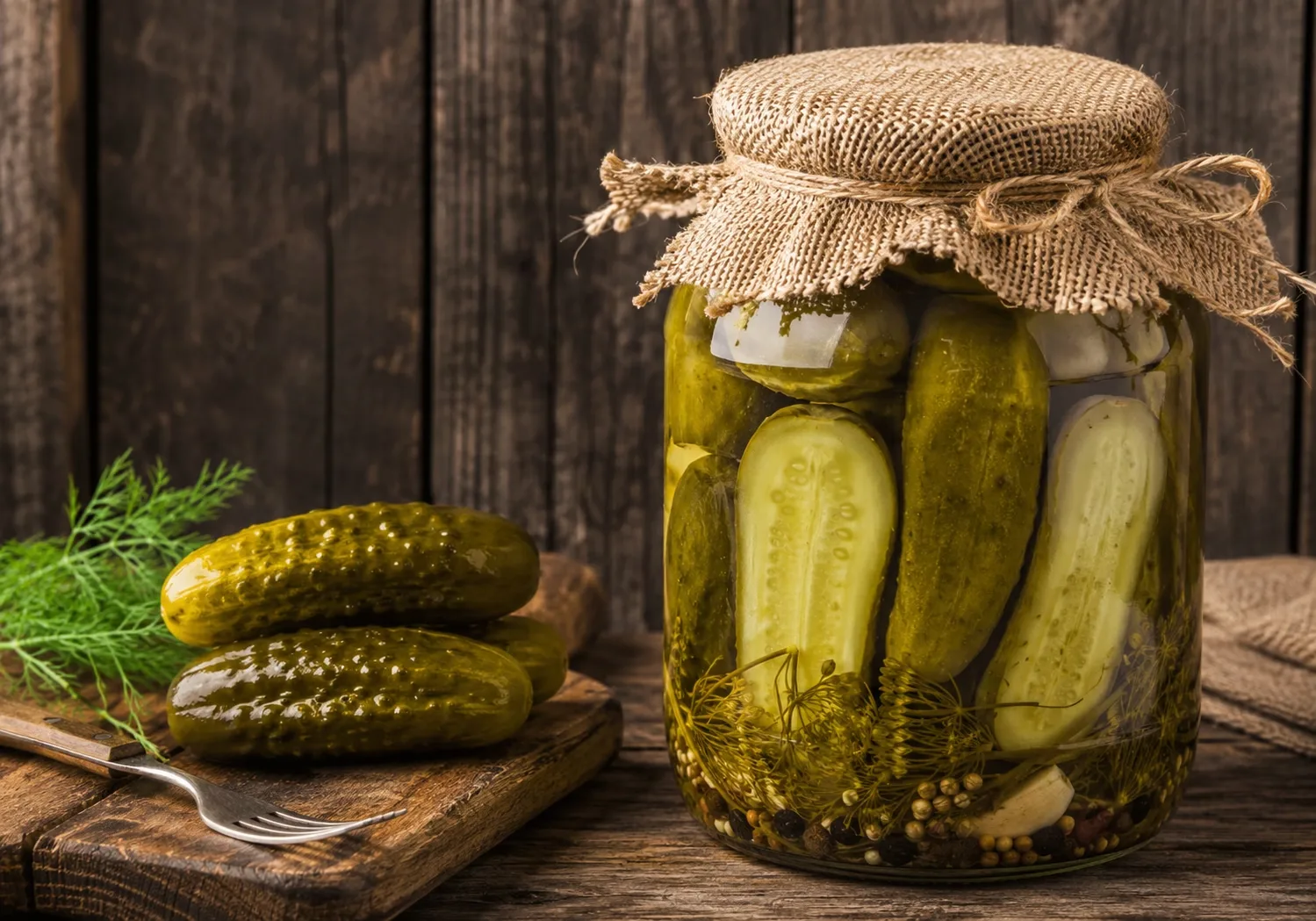 The Return of Fermented Cultures: Why Are Traditional Flavors Rising Again?