
For generations, agriculture’s traditional structure has been shaped by accumulated knowledge passed down through families, often seen as a legacy inherited from parent to child. In the 21st century, however, this legacy is being reshaped by a new generation: Generation Z.
Growing up immersed in technology, more sensitive to environmental crises, and deeply internalizing the concept of sustainability, this new generation is no longer just a consumer, but a strong candidate to become the producer of the future. We stand on the brink of a fundamental transformation in agriculture, and the name of this transformation is Generation Z.
Why Does Generation Z View Agriculture Differently?
- Digital Natives: Generation Z sees agriculture not only as a profession rooted in the soil, but as an ecosystem managed through data, sensors, and software. For them, fields can be monitored by drones, soil moisture can be measured via smartphones, and production processes can be streamed on YouTube.
- Sustainability-Focused: This generation grew up in the midst of the climate crisis. As a result, they approach concepts like carbon footprint, water use, and biodiversity with greater awareness. They prioritize producing in ways that do not harm nature, and even aim to restore it.
- Adding Story to the Work: They see agriculture as content, a story, and a way of life. Micro-production, harmony with nature, and growing one’s own food represent both a political and a personal stance for this generation.
How Is Generation Z Transforming Agriculture?
- New Horizons in Agriculture Through Agrotechnology With strong familiarity in technologies such as artificial intelligence, IoT, blockchain, and robotics, Generation Z integrates these tools into agriculture to create more efficient, lower-cost, and scalable models.
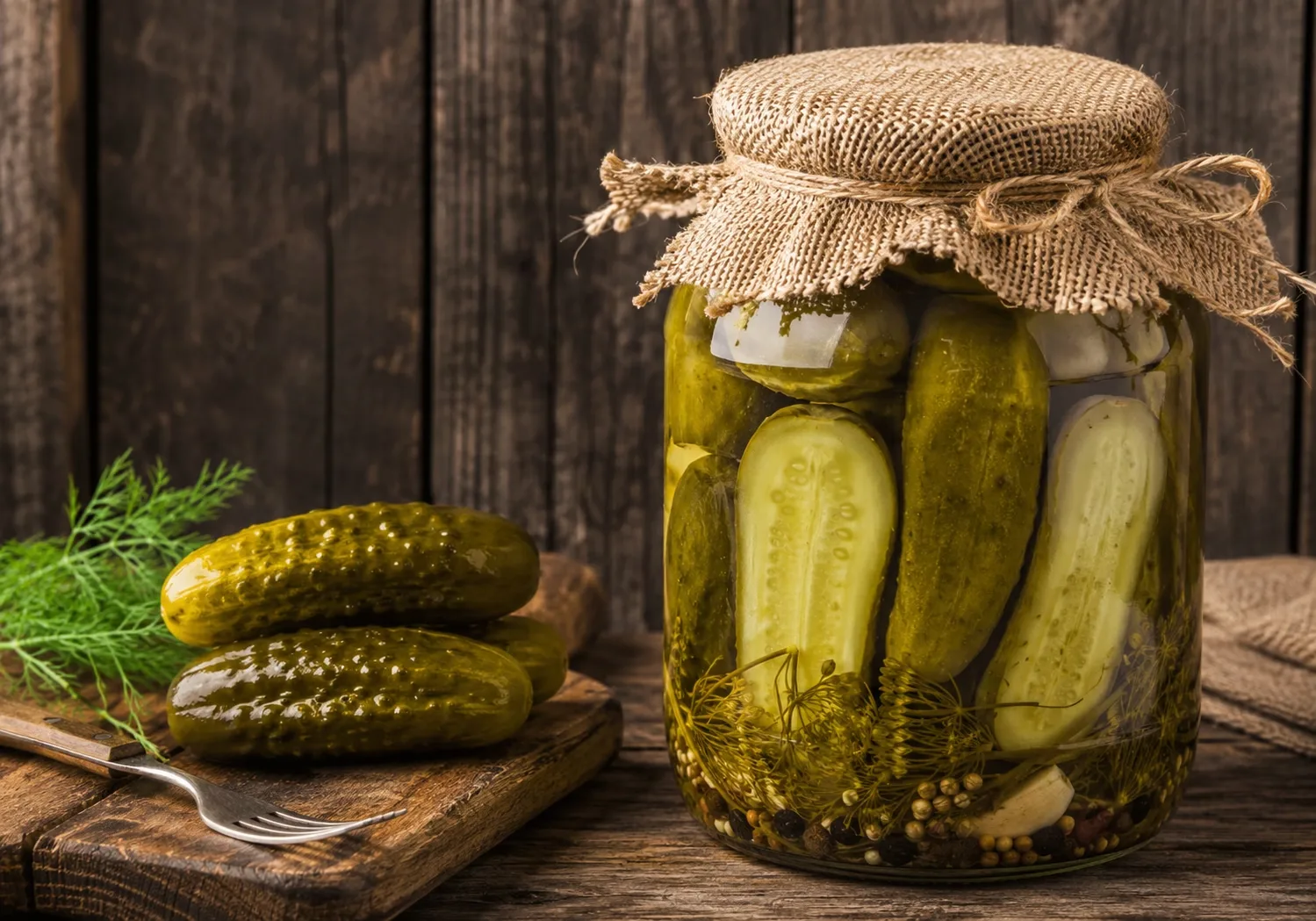
- Small but Impactful Production Rather than massive farms, more young producers are focusing on boutique, niche production that serves local markets. With products like jams, pickles, microgreens, medicinal and aromatic plants, and kombucha, they embrace both entrepreneurial and producer identities.
- Transparent Relationships with Consumers Producers who share moments from the field on Instagram, explain their production process on YouTube, and ensure traceability through QR codes are increasingly from Generation Z. In doing so, they build trust, transparency, and brand loyalty.
Zeytursan’s Perspective: Building the Future with Young People
At Zeytursan, we believe in the potential of Generation Z and seek ways to grow alongside young producers:- Through our young producer programs, we support farmers who develop innovative solutions in their fields.
- With data-driven farming systems, we enable tech-savvy young people to optimize production on the ground.
- We create space for projects that bring together local flavors with modern production, serving as a bridge in this transformation.
 What Is Pickle Juice — and What Is It Good For?
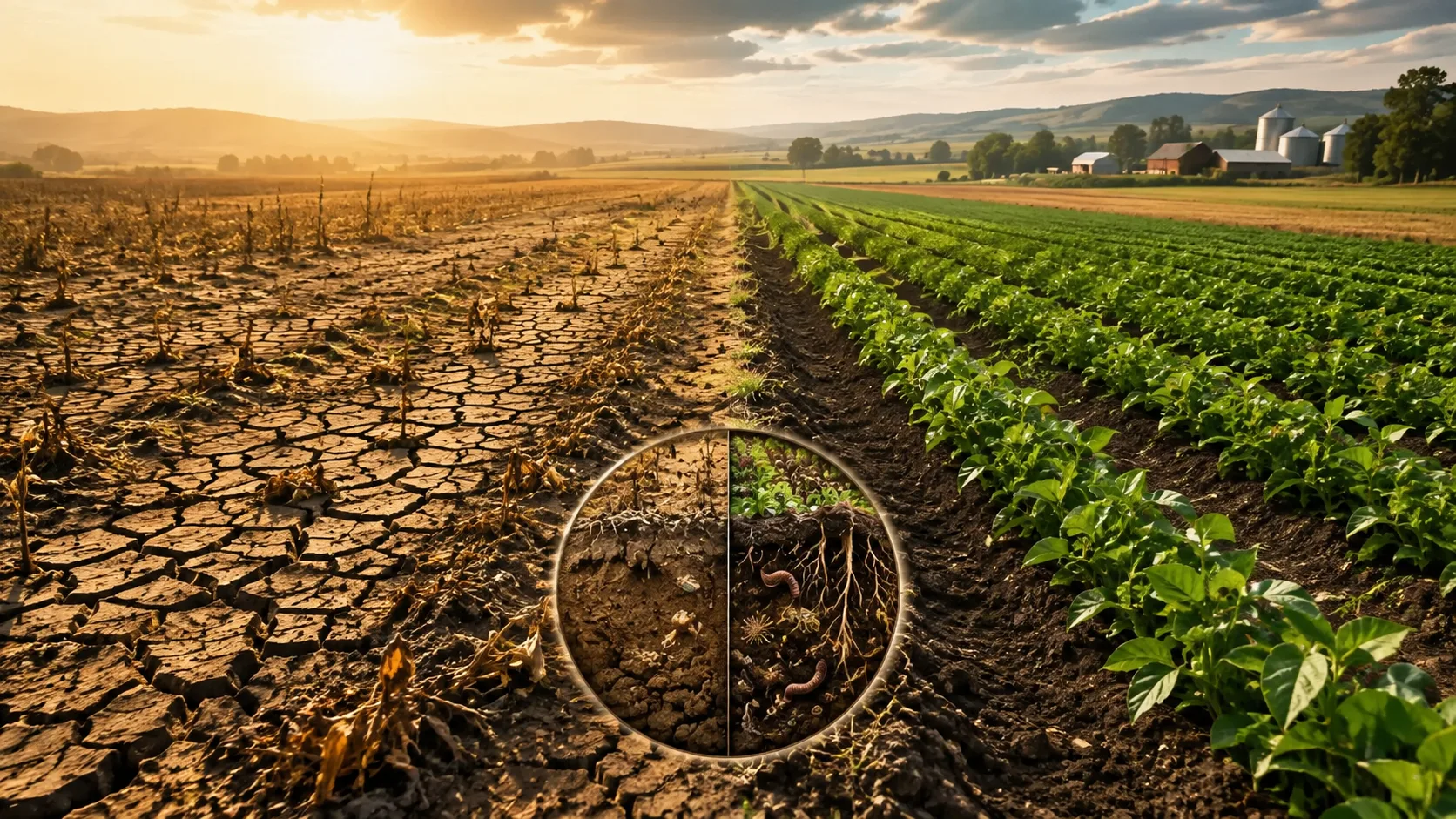 Soil Fatigue: The Silent Threat to Productive Agriculture
 From Clay to Jar, From Steel Tanks to Modern Tables: The Evolving Journey of Pickle
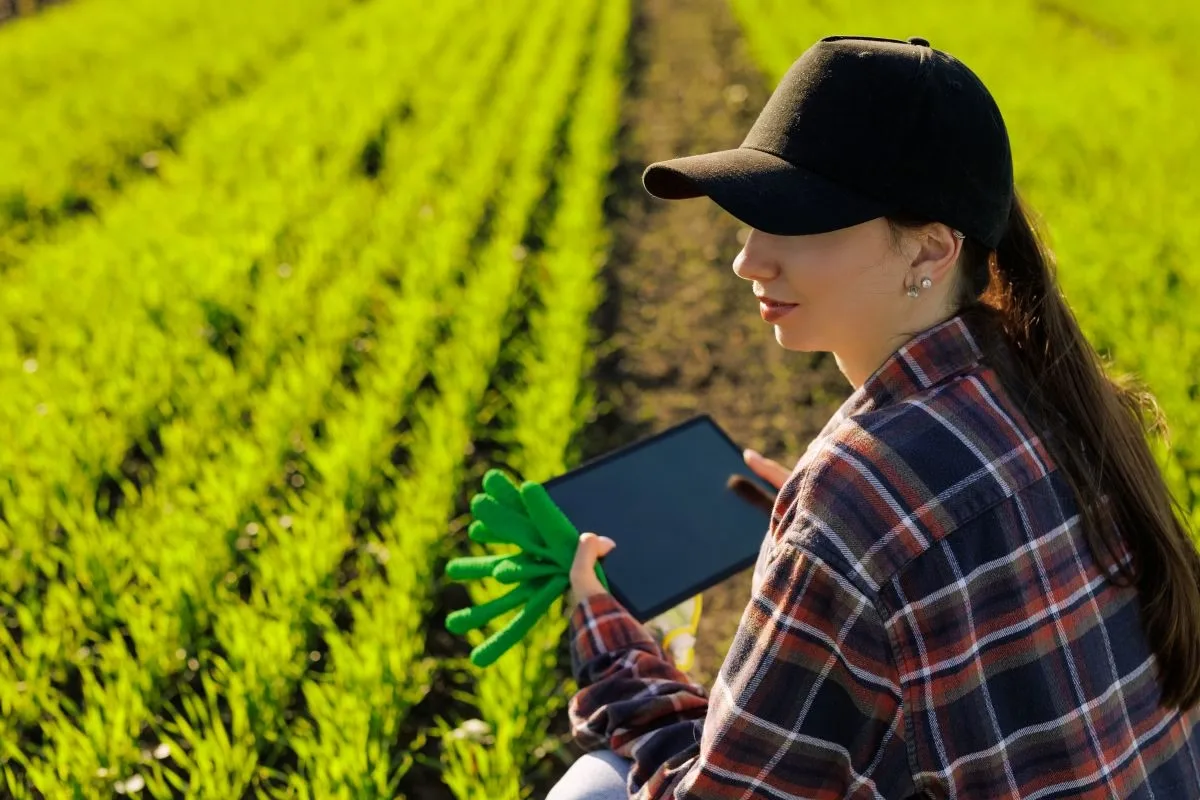 The Farmer’s New Assistant: AI-Powered Agricultural Decisions
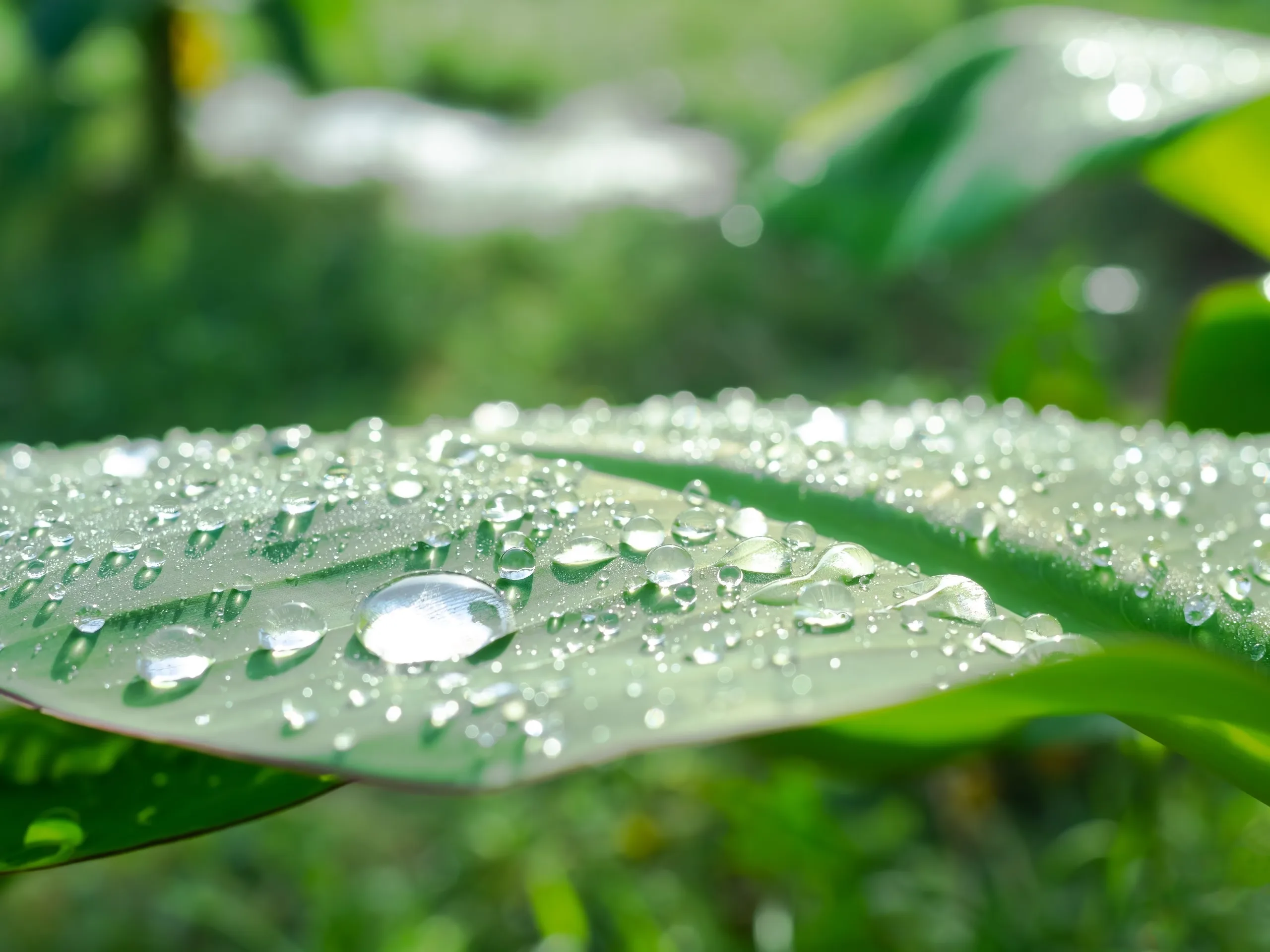 The Journey of a Drop of Water: The Importance of Water Efficiency in Food Production
 The Return of Fermented Cultures: Why Are Traditional Flavors Rising Again?