

Soil carries not only the seeds planted in it but also the footprints, prayers, experiences, and silent wisdom of those who walk upon it. This knowledge is sometimes hidden in a grandmother's warning, “Don't water under moonlight,” or a grandfather's remark, “This tree doesn't like the north wind.” Yet, when this ancient agricultural memory confronts modern farming's industrial systems, it either fades away or is reshaped.
Today, viewing this duality not as a conflict but as a point of convergence is vital for both food security and cultural continuity.
Ancestral Wisdom: A Silent Technology
Agricultural wisdom is the product of thousands of years of trial and error. Practices such as irrigation timing, crop rotation, soil resting methods, and natural pest control offer solutions that are unscientifically named but proven effective. Unfortunately, this knowledge is transmitted orally across generations and grows fainter with each one. Yet these insights:- Are specific to local climates and soil types.
- Provide solutions that require no chemical inputs.
- Form the foundation of nature-aligned, sustainable agriculture.
Industrial Agriculture: Yield, Speed, and Global Alignment
Industrial agriculture operates with machines, software, and high-yield seeds. This system:- Focuses on scaling production,
- Meeting global demands,
- Controlling quality through standardization.
The Quest for Harmony: Can Two Worlds Merge?
The real issue is not the mutual exclusion of traditional knowledge and industrial systems, but their complementarity. Establishing this balance can enhance not only production efficiency but also cultural sustainability. How?- Agricultural R&D efforts can analyze traditional practices with scientific data to make them functional again.
- Smart sensors can support the farmer's observations while turning the soil's habits into measurable data.
- Incorporating local folk wisdom into agricultural curricula can provide the new generation of farmers with a multifaceted perspective.
- Supporting women farmers and elder generations as knowledge bearers can preserve social memory.
 What Is Pickle Juice — and What Is It Good For?
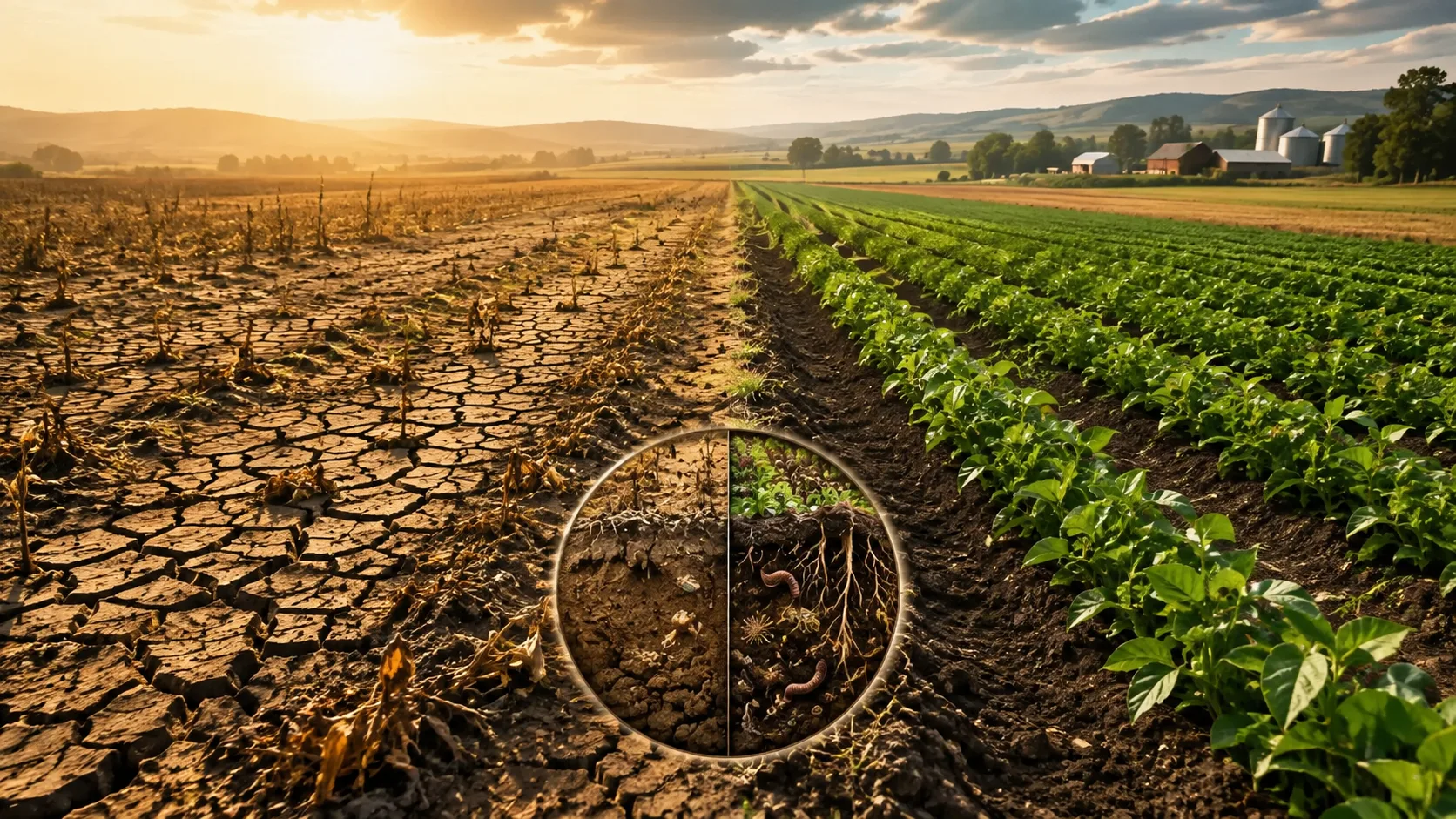 Soil Fatigue: The Silent Threat to Productive Agriculture
 From Clay to Jar, From Steel Tanks to Modern Tables: The Evolving Journey of Pickle
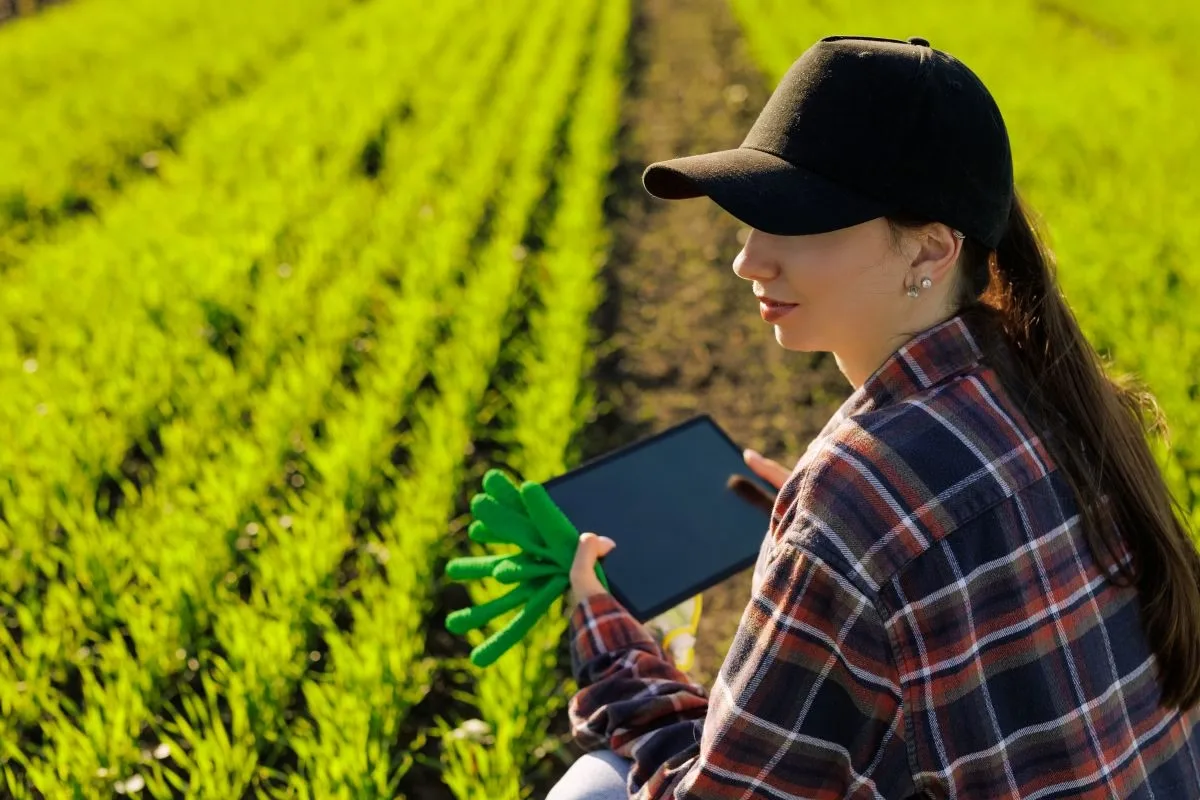 The Farmer’s New Assistant: AI-Powered Agricultural Decisions
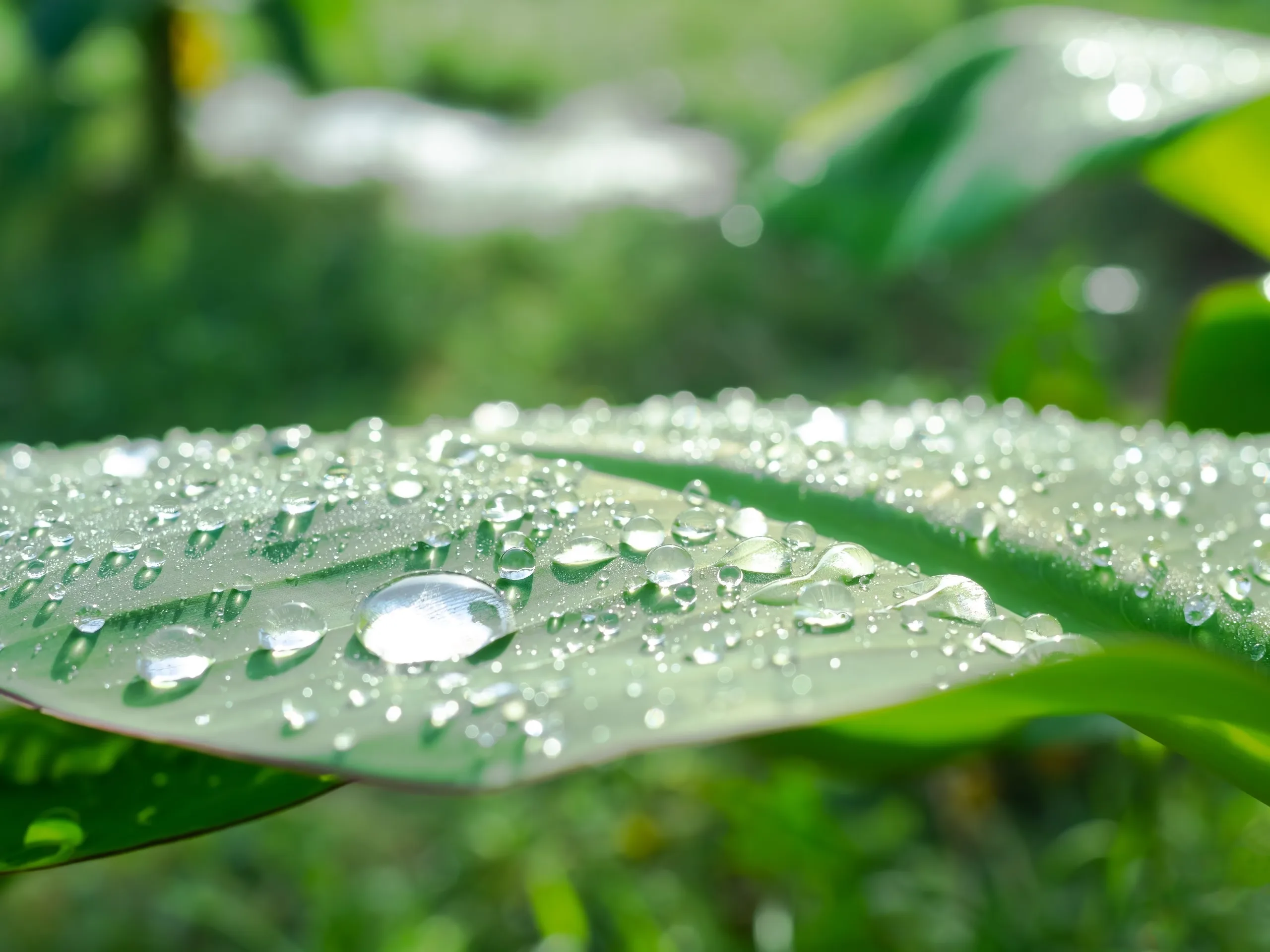 The Journey of a Drop of Water: The Importance of Water Efficiency in Food Production
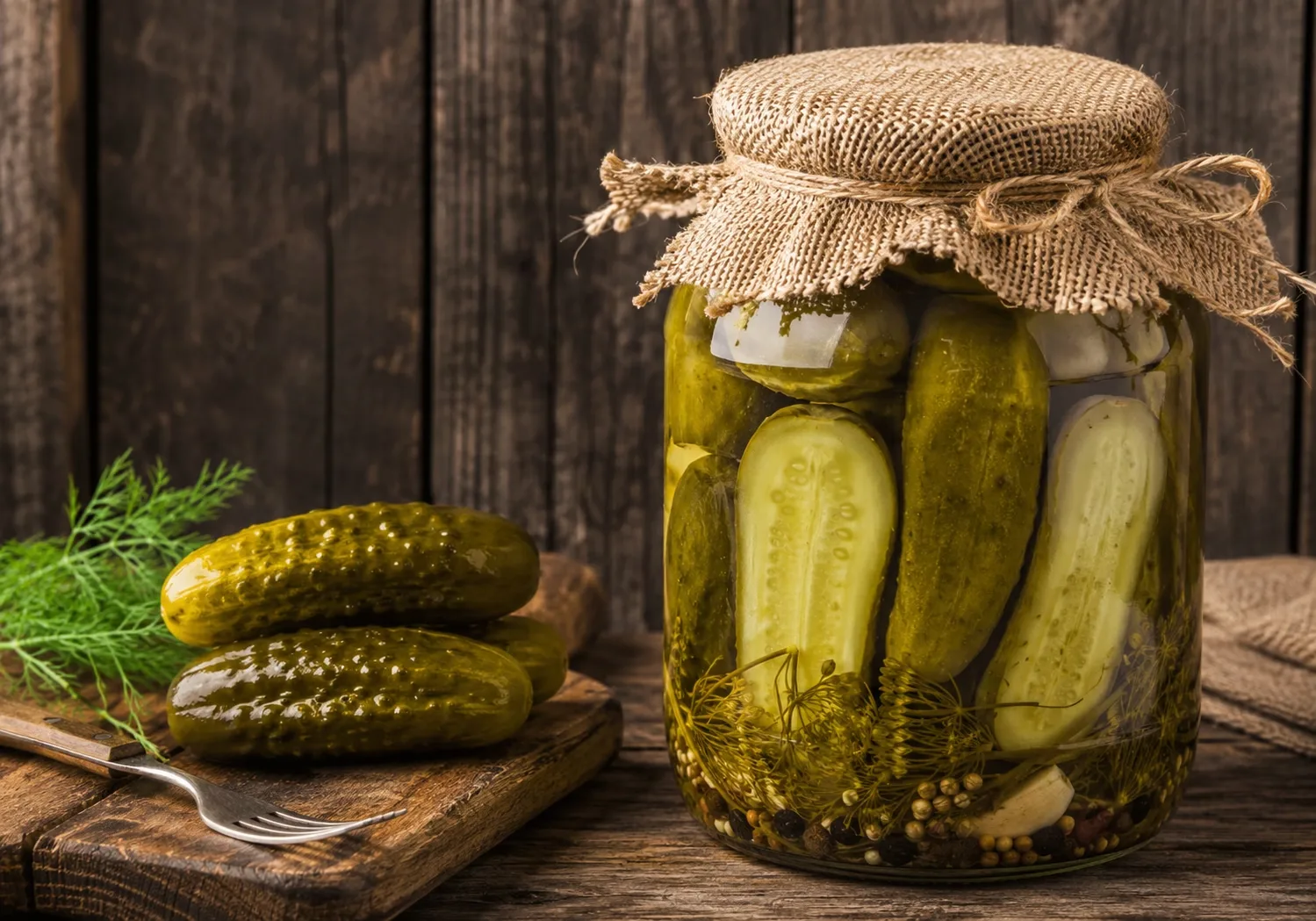 The Return of Fermented Cultures: Why Are Traditional Flavors Rising Again?