
Salt is humanity’s oldest preservation tool. With it, not only were foods stored; cultures were built, trade routes were shaped, and identities fermented at tables. But today, salt is no longer just a preservative — it is a bridge between past and future, carrying the flavor codes of fermented foods. So, how is this salty journey — spanning thousands of years from pickles to cheese, olives to miso — evolving today? Where is the role of salt heading in the changing face of fermented foods?
The Memory Fermented with Salt from the Past
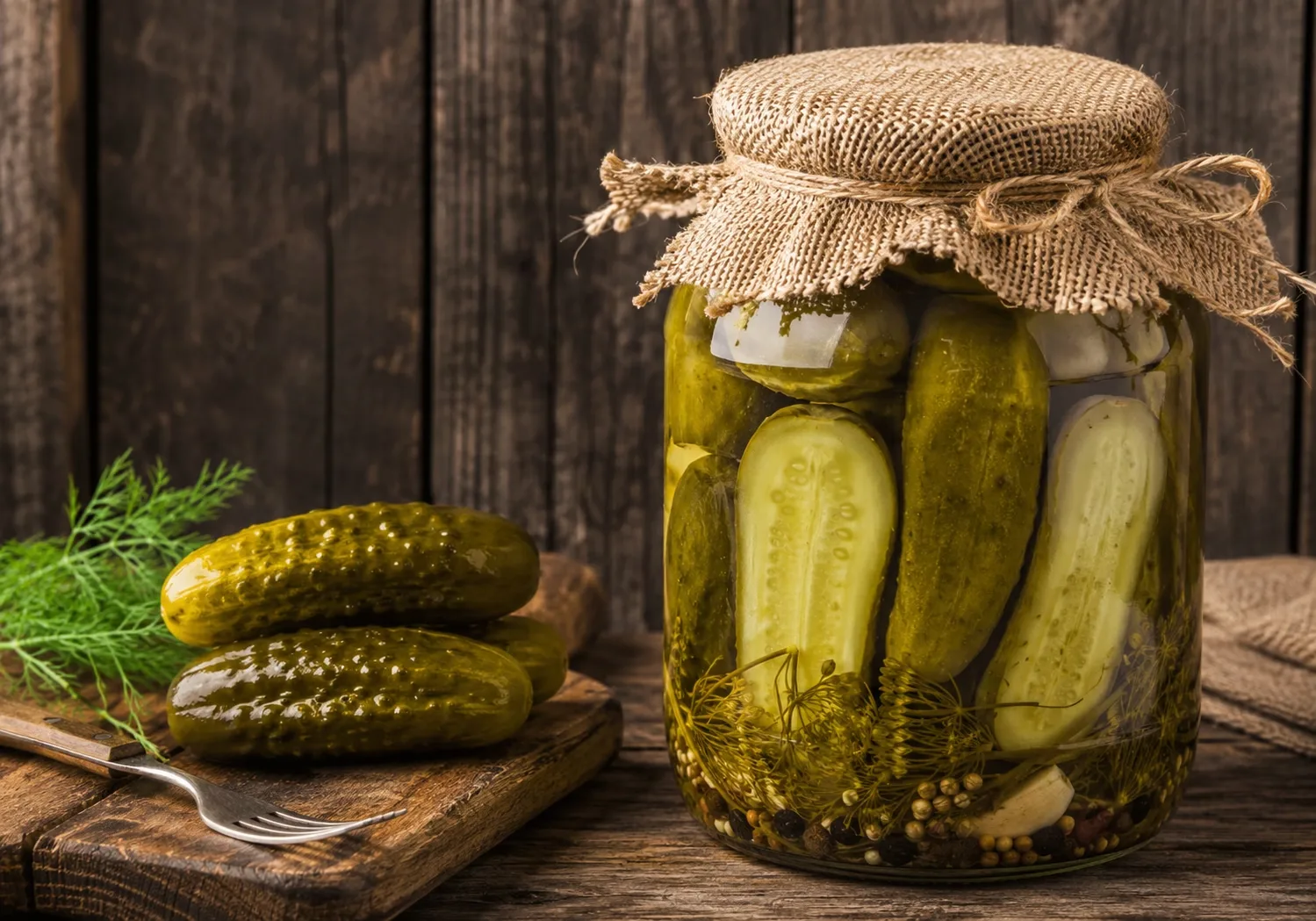
Throughout history, fermented foods have demonstrated both human resilience against nature and creativity. By harnessing the power of microorganisms, shelf life was extended, flavors deepened, and cultural heritages were born at tables. And at the center of this transformation was often salt:- Pickles: Salt prevented the growth of harmful bacteria while encouraging the proliferation of beneficial lactic acid bacteria.
- Olives: Brine salt removed bitterness while also making the olives durable.
- Cheese: It balanced flavor during the aging process and managed molds.
- Asian fermented products (miso, soy sauce): Salt was the cornerstone of fermentations lasting years.
New Generation Flavor Codes: Reduce, Transform, Redefine
In the modern world, consumers prioritize not only taste but also health. This brings new questions to salt usage in fermented foods:- “If I reduce salt, will shelf life shorten?”
- “Will the flavor profile change?”
- “What can I use instead?”
- Low-sodium fermented products can be created.
- Potassium-based salts replacing salt are successfully applied in some formulas.
- Controlled fermentation with lactic acid bacteria allows longer life with less salt.
Intercultural Salt: Local Touch to Global Flavors
Today, the use and ratio of salt in fermented food cultures — stretching from Korean cuisine to Japan, Anatolia to the Mediterranean — show great differences. These differences are shaped by:- Climate conditions,
- The structure of the product,
- Cultural palate habits.
The Future Salt Strategy: Smart Fermentation
At the point food technology has reached, not only the salt ratio but also details such as when salt is added, how long it is exposed, and its interaction with microorganisms can now be managed. Among the new generation applications:- Sensor-supported fermentation chambers monitor temperature and salt balance in real time.
- AI-supported flavor analysis systems can predict which salt ratio will bring out which aroma. Functional salts provide both flavor and immunity benefits (for example, magnesium-enriched salts).
 What Is Pickle Juice — and What Is It Good For?
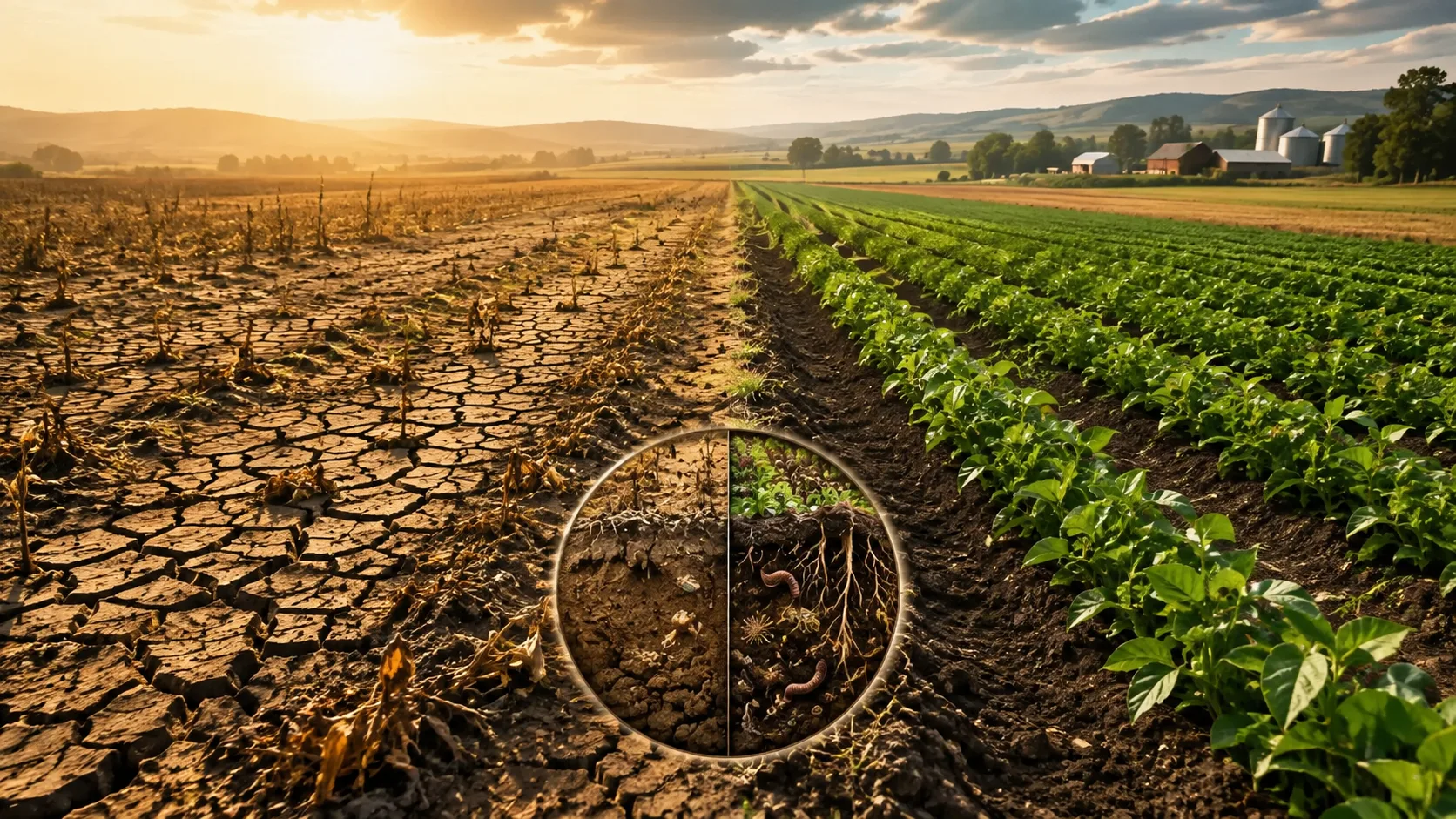 Soil Fatigue: The Silent Threat to Productive Agriculture
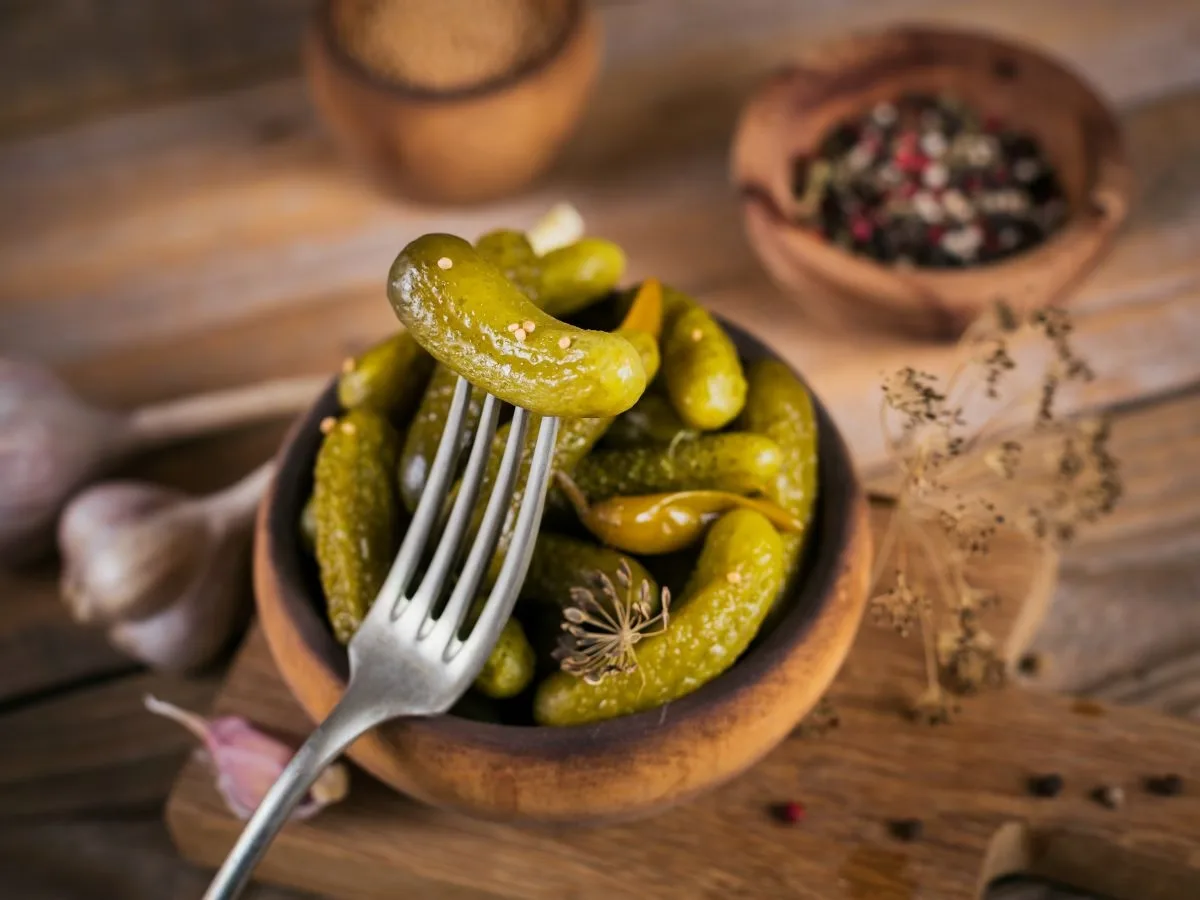 From Clay to Jar, From Steel Tanks to Modern Tables: The Evolving Journey of Pickle
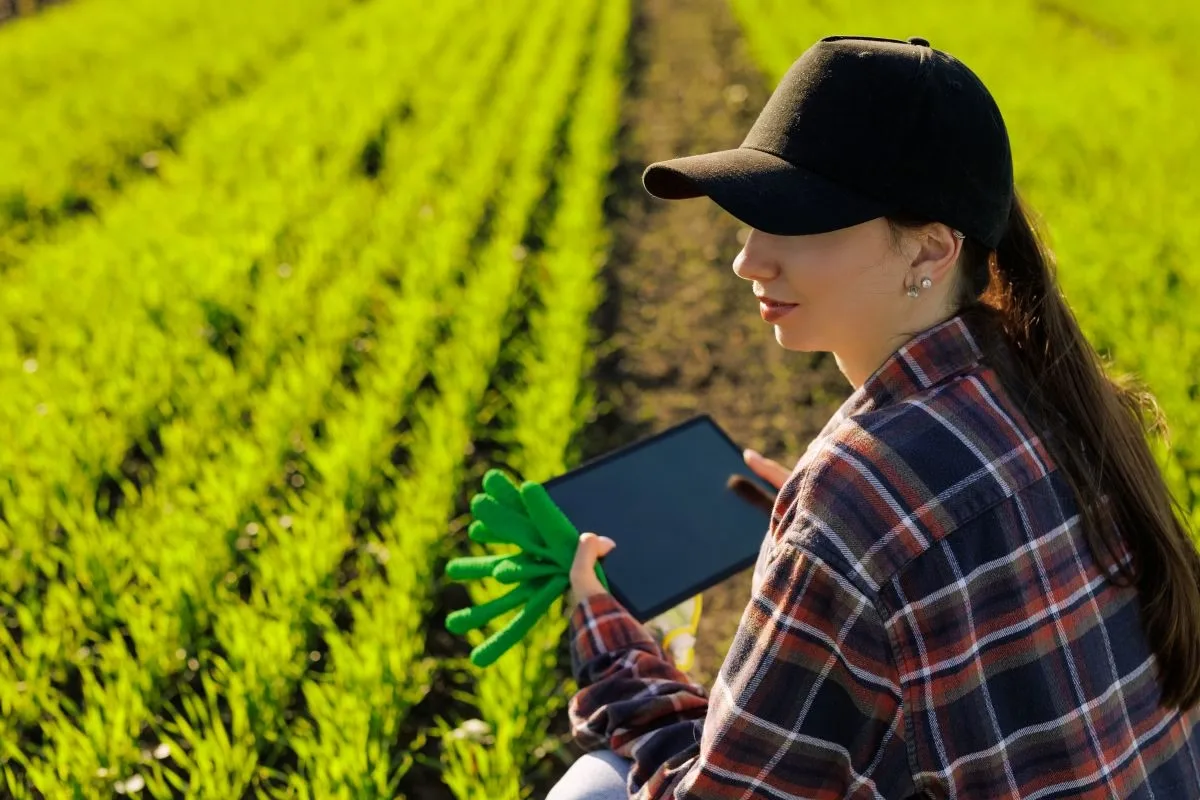 The Farmer’s New Assistant: AI-Powered Agricultural Decisions
 The Journey of a Drop of Water: The Importance of Water Efficiency in Food Production
 The Return of Fermented Cultures: Why Are Traditional Flavors Rising Again?