

Anatolian lands are a geography full of deep-rooted history and rich cultures. One of the most important treasures of this geography is undoubtedly pickles. These delicious accompaniers, which have existed in Anatolian culture for many years, are indispensable for tables. In this article, we will talk about the importance and history of pickles in Anatolia in detail.
History of Pickles
When we look at the origin of pickles, we see that it actually dates back to ancient times. Dating back to the Babylonian period in the 3rd century BC, pickles have taken their place in people's eating habits since ancient times. In Anatolia, the history of pickles dates back to the Seljuks. Pickles, which remained popular during the Seljuk and Ottoman periods, became an indispensable part of the tables in these periods. Anatolian lands have been the cradle of many civilizations for thousands of years. The people living in these lands used different tastes, methods and ingredients in their food cultures. Among these, pickles also have an important place. Anatolia's rich variety of vegetables and fruits provides an ideal environment for pickle making. Pickles have been consumed as a food in Anatolia throughout history and have become one of the traditional delicacies. Pickle making is based on the principle of processing vegetables with salt, vinegar and spices to make them last for a long time. Vegetables used for pickle making must be collected and processed according to the season. Pickles, which are produced in large quantities especially in the summer months, are stored to be consumed in the winter months. For this reason, pickle making is considered both a tradition and a necessity in Anatolia.Pickles in Anatolian Culture
The tradition of making pickles, which started with the aim of consuming the vegetables grown in the fertile lands of Anatolia during the winter months, has become the crown jewel of the tables over time. In order to understand the importance of pickles in Anatolian lands, it is necessary to consider the value that village people, especially those living in rural areas, attach to pickles. You can come across pickle jars in the kitchens of every home all over Anatolia. During the winter months, when the variety of vegetables and fruits decreases, pickles gain importance as a food source rich in vitamins and minerals. In addition, the digestive properties of pickles also provide solutions to digestive problems caused by heavy meat consumption during the winter months. Pickle making in Anatolian lands is important not only as a food but also culturally. In Turkish culture, pickle making is considered a social activity among women. Grandmothers, mothers and their daughters come together to gain experience in making pickles. This strengthens family relationships and ensures the transmission of cultural values.Various Types of Pickles in Anatolian Cuisine
In Anatolian cuisine, pickles are not made with just one type of vegetable. Almost all kinds of vegetables and fruits can be pickled, allowing these foods to be consumed all year round. Here are the most preferred pickle types in Anatolian cuisine:- Pickled White Cabbage
- Pickled Cucumber
- Pickled Pepper
- Pickled Carrots
- Pickled Red Beet
- Pickled Green Plums
- Pickled Gherkins
- Pickled Artichoke
- Pickled Zucchini
- Pickled Eggplant
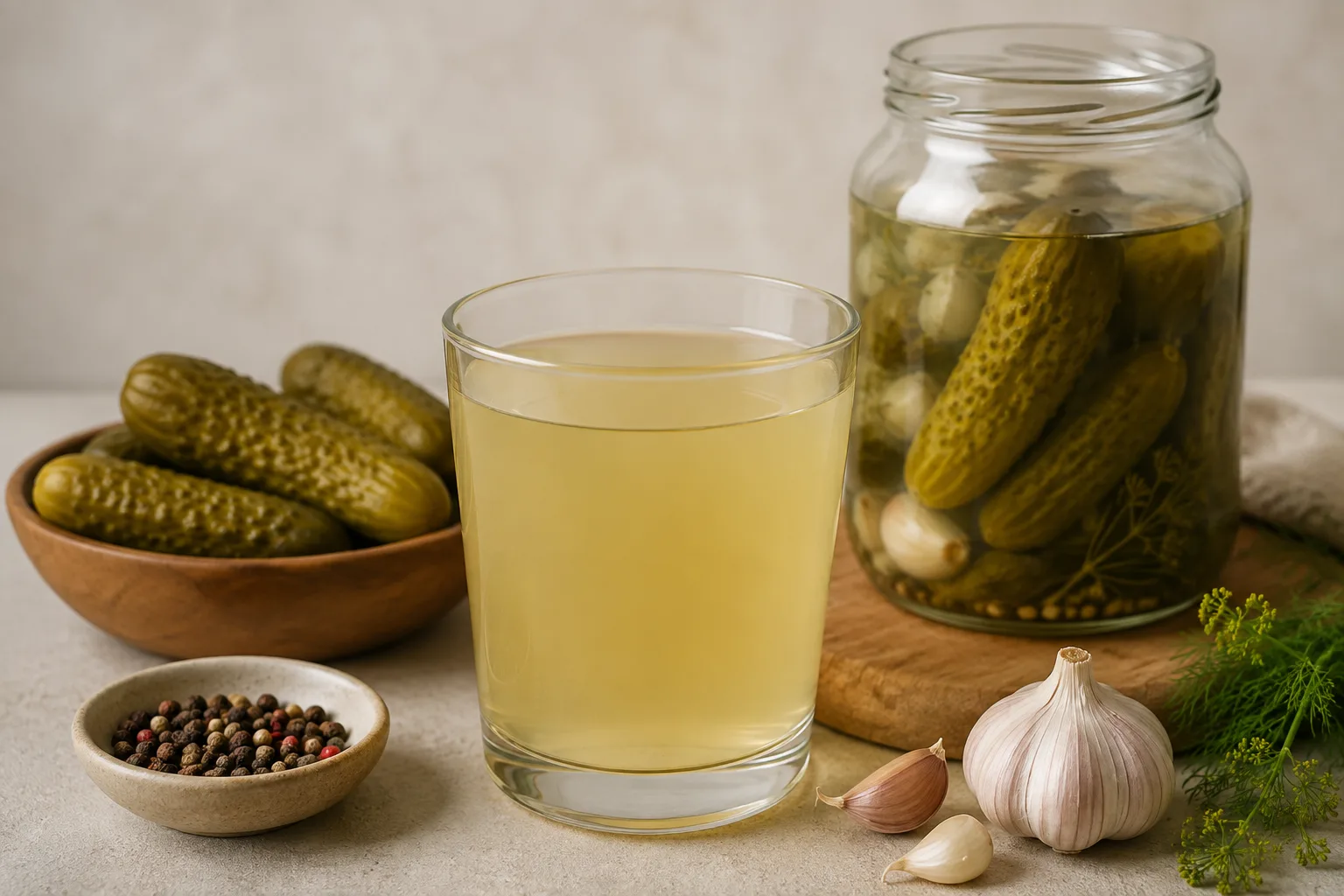 What Is Pickle Juice — and What Is It Good For?
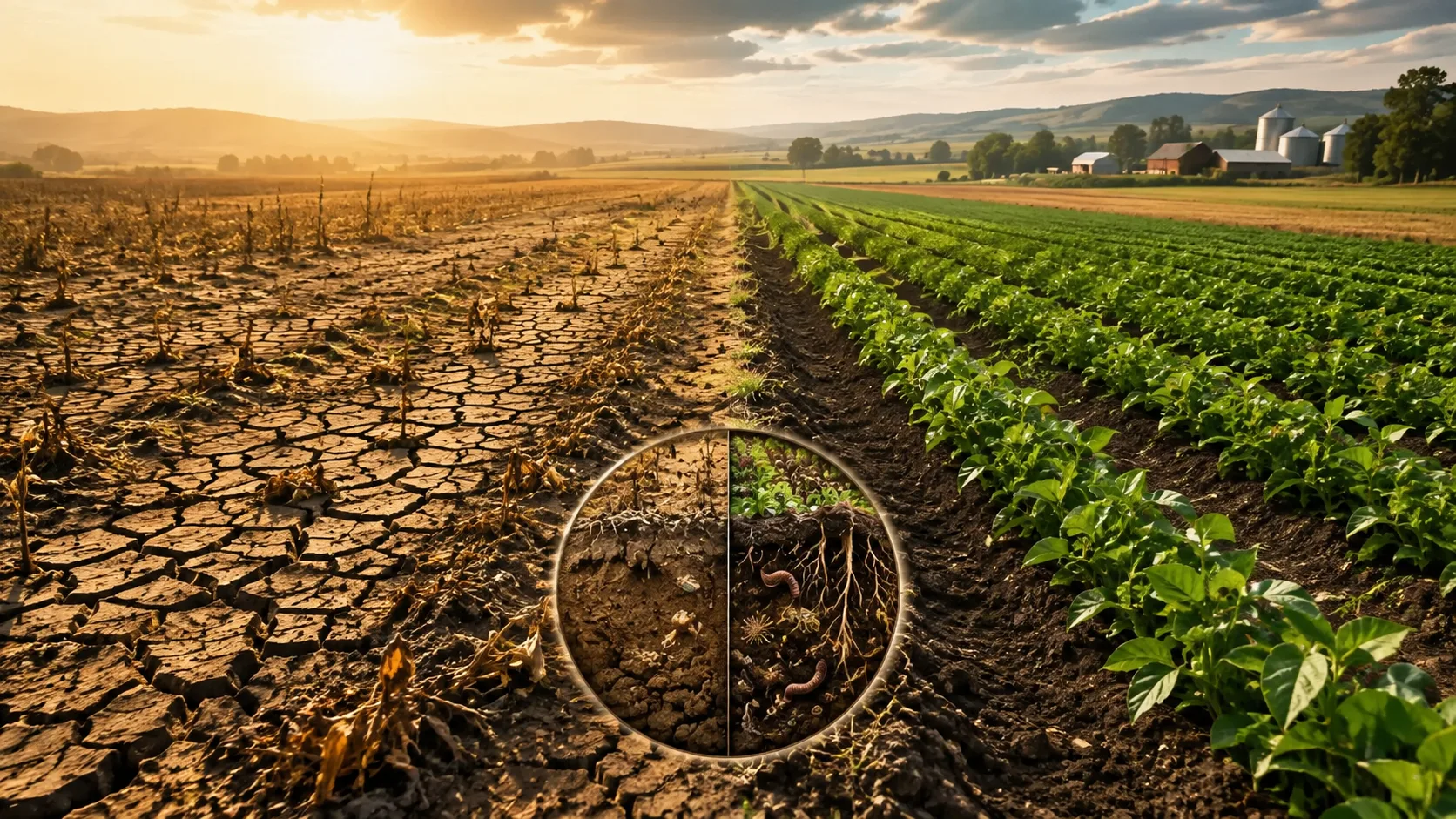 Soil Fatigue: The Silent Threat to Productive Agriculture
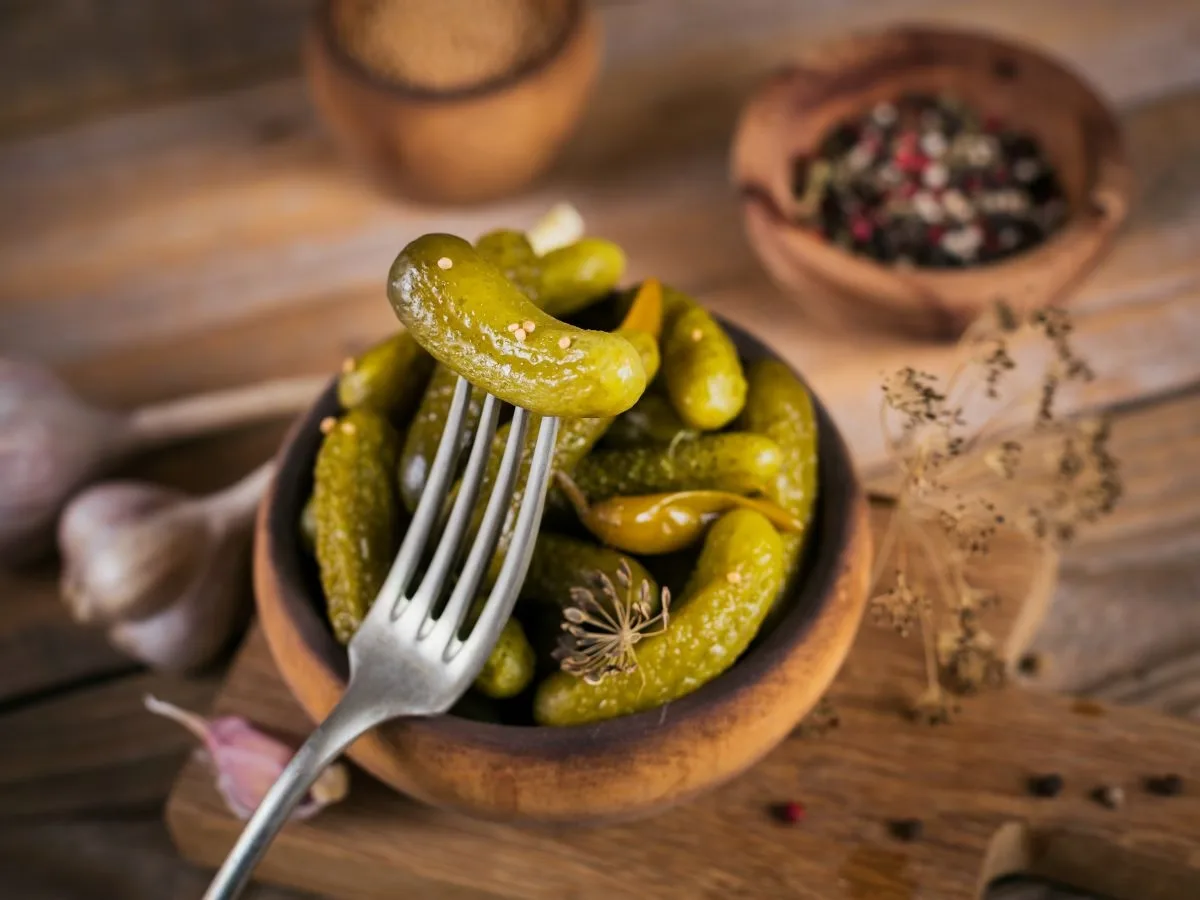 From Clay to Jar, From Steel Tanks to Modern Tables: The Evolving Journey of Pickle
 The Farmer’s New Assistant: AI-Powered Agricultural Decisions
 The Journey of a Drop of Water: The Importance of Water Efficiency in Food Production
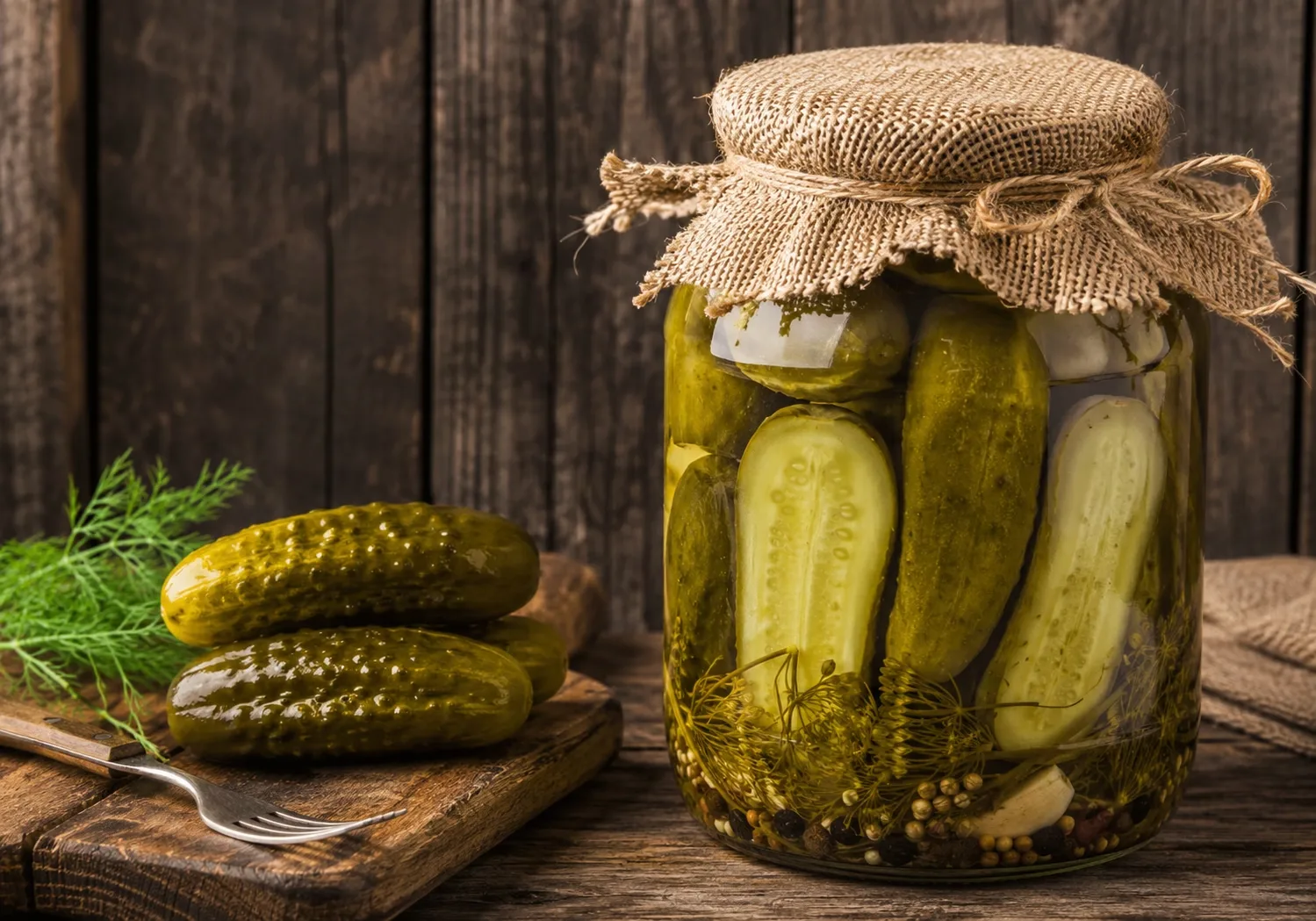 The Return of Fermented Cultures: Why Are Traditional Flavors Rising Again?