

Reducing time spent in the kitchen and effortlessly creating impressive meals has become one of the biggest needs of our busy modern lives. This is where canned products step in as lifesavers. Carefully prepared using natural methods and preserved with care, canned goods offer quick and practical solutions, making cooking easier than ever.
The Power of Canned Products in the Kitchen
Canned products are reliable kitchen helpers that save time and offer versatile usage. They are ideal for those who want to prepare delicious meals in a short time without the need for ovens, lengthy preparation processes, or complex cooking methods.1. Eliminates Preparation Time
Canned products take care of time-consuming tasks like cleaning, chopping, or pre-cooking vegetables for you. In just a few minutes, you can prepare soups, stir-fries, or salads, making them a great solution for busy days.2. Provides Variety
With a variety of canned goods like beans, chickpeas, peas, and tomato puree, you can easily create diverse recipes. From traditional dishes to modern culinary experiments, a single product can be your key to many options.3. Ensures Long-Term Availability
Thanks to their long shelf life, canned products are always on hand. Whether it’s for a last-minute guest or a spontaneous culinary creation, canned goods can save the day.Recipe Ideas for Practical Meals
- Quick Stir-Fry: Heat a jar of canned vegetables in a pan, add some spices, and serve with yogurt or tahini for a nutritious meal.
- Instant Soup: Use canned lentils or chickpeas to prepare a hearty soup in minutes. Just add some hot water, spices, and a squeeze of lemon if desired.
- Innovative Salads: Enhance your salads with canned corn, peas, or beans for added color, flavor, and texture.
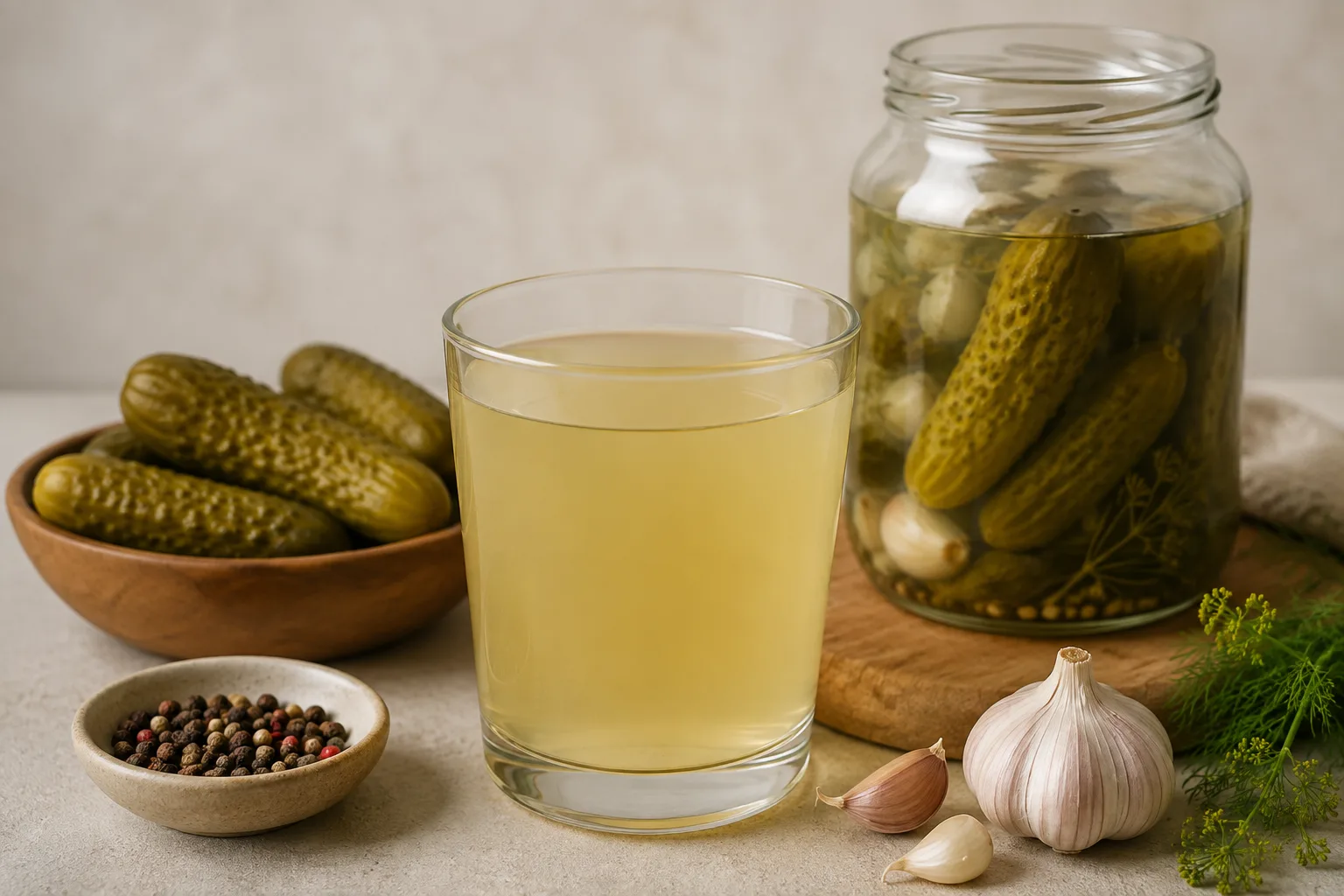 What Is Pickle Juice — and What Is It Good For?
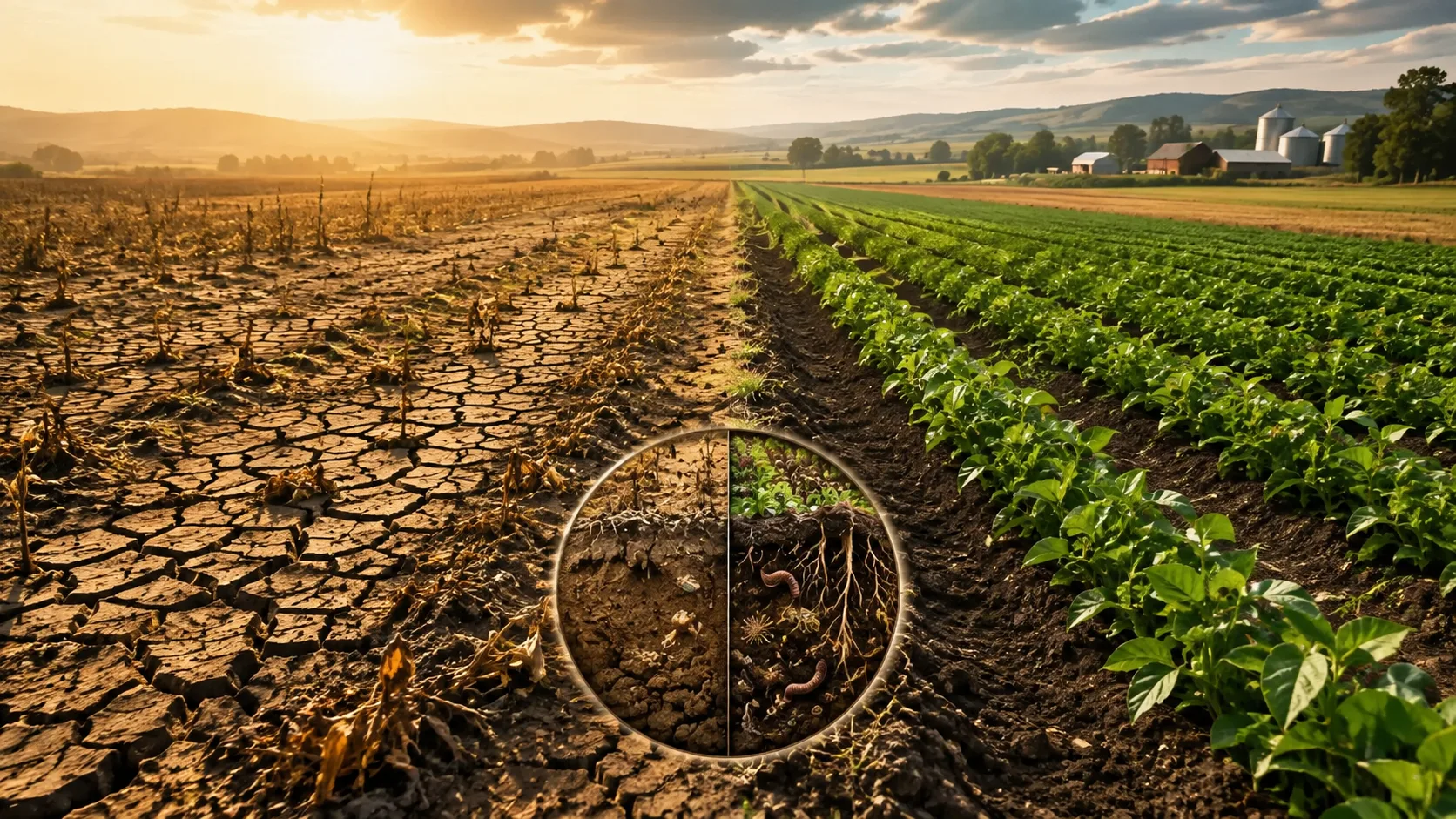 Soil Fatigue: The Silent Threat to Productive Agriculture
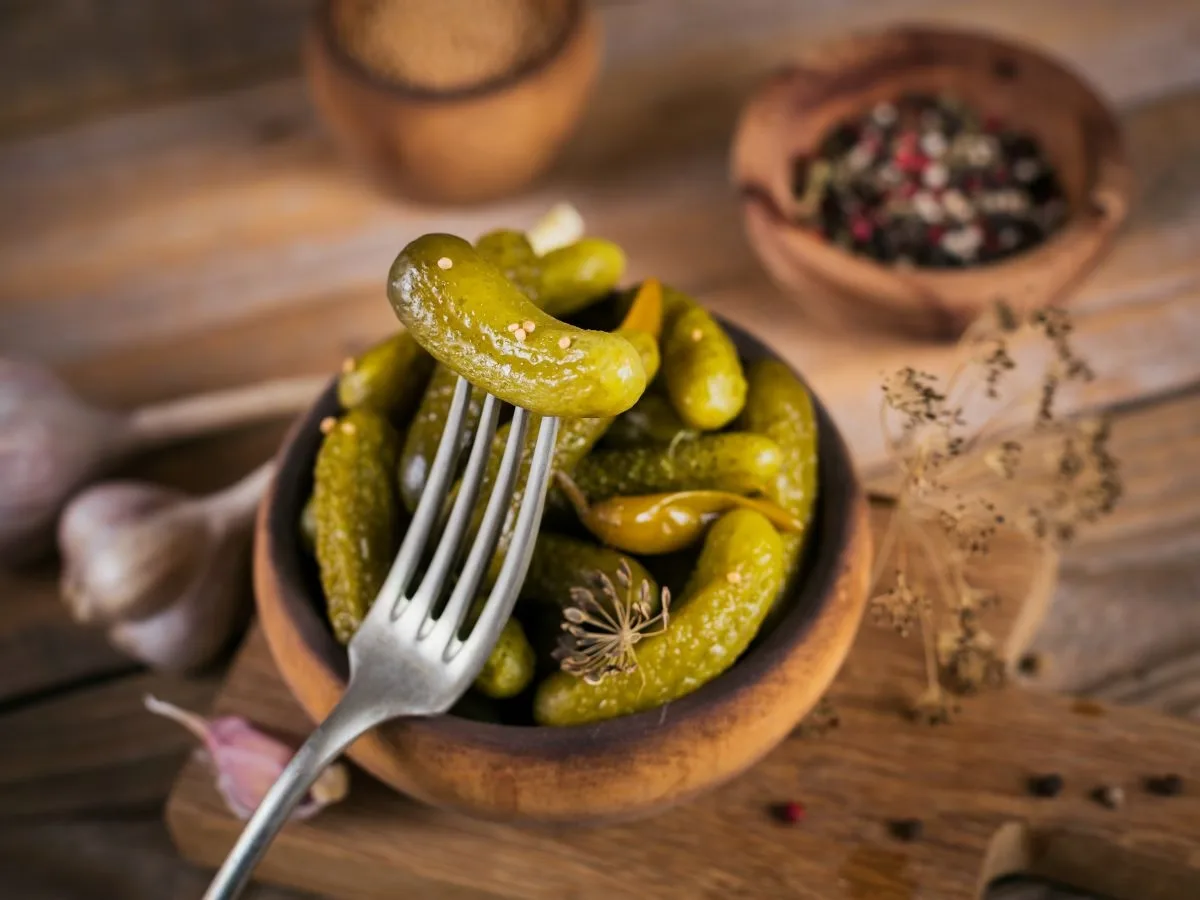 From Clay to Jar, From Steel Tanks to Modern Tables: The Evolving Journey of Pickle
 The Farmer’s New Assistant: AI-Powered Agricultural Decisions
 The Journey of a Drop of Water: The Importance of Water Efficiency in Food Production
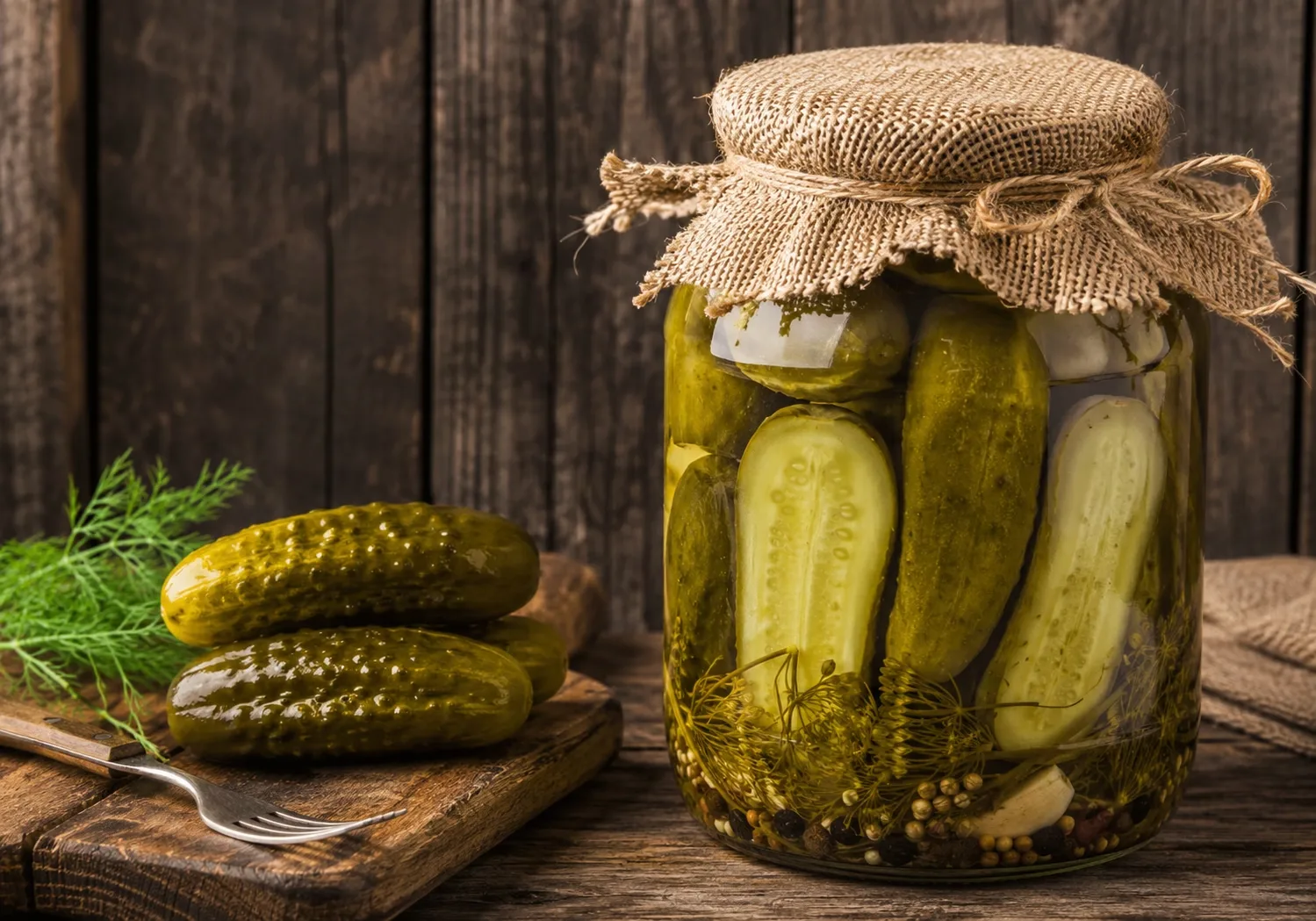 The Return of Fermented Cultures: Why Are Traditional Flavors Rising Again?