

The history of the kitchen is a beautiful reflection of cultural heritage and traditions. Every region has its unique dishes, stories, and cooking methods passed down through generations. However, with changing times, our culinary habits are also evolving. While traditional recipes maintain their nostalgic flavors, creative touches and modern techniques breathe new life into them. In this post, we will explore how we can reinterpret classic recipes with innovative ideas and bring fresh energy to our kitchens.
1. Reimagining the Classics
Every culture carries recipes that have stood the test of time. In Turkish cuisine, olive oil dishes, stuffed vegetables, soups, and pastries are treasured elements of this culinary heritage. But can we elevate these classics with a modern touch? Absolutely!- Example: Oven-Baked Stuffed Dried Eggplants Traditional stuffed dried eggplants are a beloved dish in Turkish homes. To add a creative spin, try baking them lightly in the oven for a crispy exterior. For a more contemporary twist, substitute rice with bulgur, quinoa, or black rice to enrich the stuffing’s flavor and texture.
- A New Take on Tarhana Soup Tarhana soup has been a staple of Anatolian tables for centuries. But why not transform it into something new? You can turn tarhana into crispy croutons to sprinkle over the soup or bake it thinly in the oven for a crunchy snack. This way, you repurpose a traditional ingredient in a fun, unexpected way.
2. Creating Impact Through Presentation
The presentation of food can transform it entirely. The same dish, served in unique ways, can turn into an impressive feast. Combining traditional dishes with modern presentations adds both visual and experiential excitement to the dining table.- Example: Miniature Versions of Pastries Large tray bakes or traditional rolled pastries can be reshaped into bite-sized rolls or prepared in tartlet molds for a sophisticated look. Pair these pastries with creative dips, such as a pomegranate-infused yogurt sauce or an herb-flavored dressing, for an elevated experience.
- Modern Flair for Traditional Desserts Syrupy desserts often come with intense richness, but they can be reimagined with lighter alternatives. For instance, serve baklava in smaller, round portions topped with pistachio cream or slices of fresh fruit for a refreshing twist.
3. Adding Depth with New Ingredients
While traditional recipes rely on tried-and-true ingredients, experimenting with new components can bring fresh flavors and unexpected textures to the table.- Example: Alternative Fillings for Dumplings Everyone knows the classic Kayseri dumplings (manti), but you can replace the meat filling with pumpkin puree or sweet potato for a modern twist. Top it off with a tangy lemon-infused yogurt sauce instead of the traditional garlic yogurt to create a completely different taste.
- Colorful and Textured Pilafs A buttery rice pilaf is a classic Turkish side dish. To give it a modern upgrade, add ingredients like saffron, sun-dried tomatoes, roasted chestnuts, or almonds. These additions not only enhance the flavor but also give the pilaf a vibrant and elegant presentation.
4. Leveraging Modern Techniques
Using modern cooking techniques to prepare traditional dishes can simplify the process while enhancing the flavor and presentation of the food.- Example: Steam Cooking Steam cooking is an excellent way to prepare olive oil-based vegetable dishes while preserving their nutrients. After steaming, drizzle the vegetables with a dressing made from fresh herbs and spices to add the final touch.
- Sous Vide Method Sous vide is a modern technique often used for meats, ensuring they remain tender and juicy. For kebab recipes, this method can deliver consistent results while keeping the traditional flavors intact.
 What Is Pickle Juice — and What Is It Good For?
 Soil Fatigue: The Silent Threat to Productive Agriculture
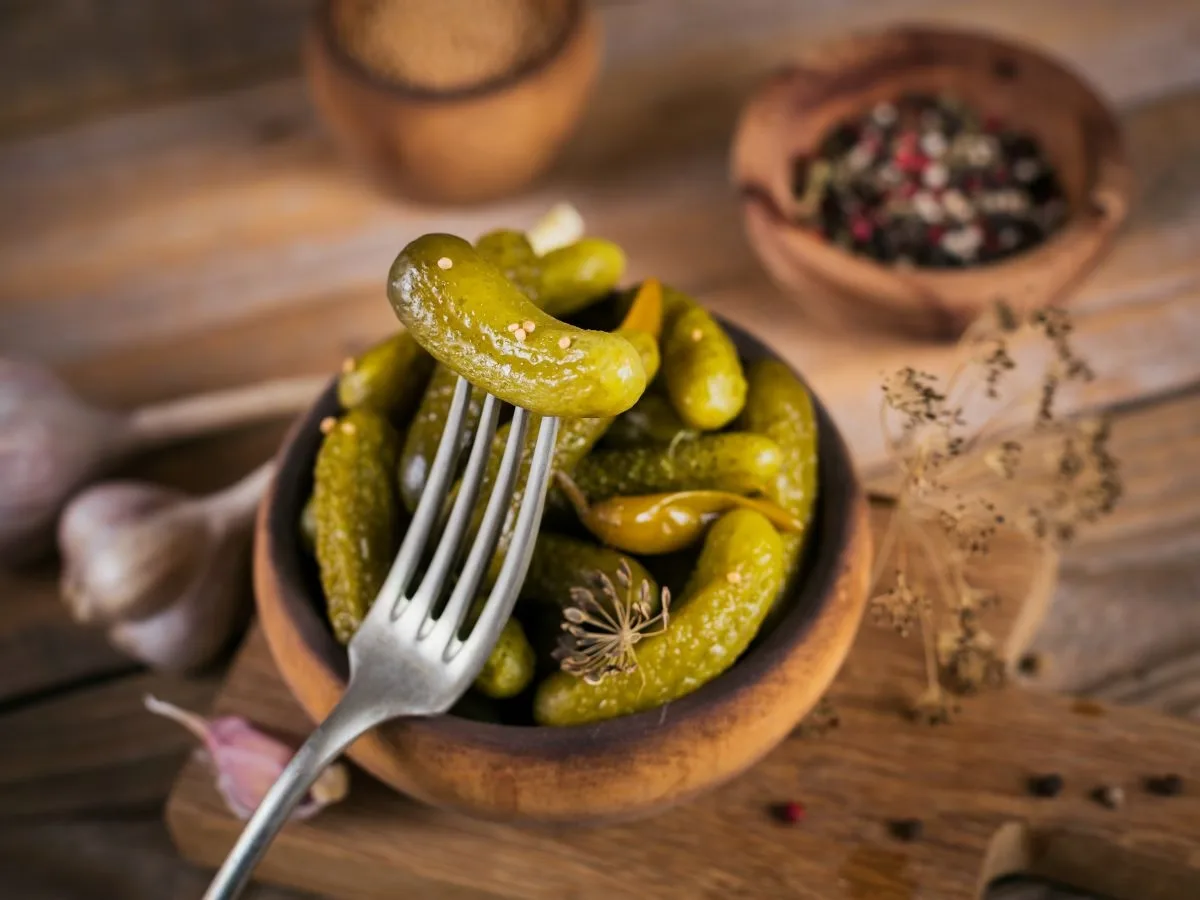 From Clay to Jar, From Steel Tanks to Modern Tables: The Evolving Journey of Pickle
 The Farmer’s New Assistant: AI-Powered Agricultural Decisions
 The Journey of a Drop of Water: The Importance of Water Efficiency in Food Production
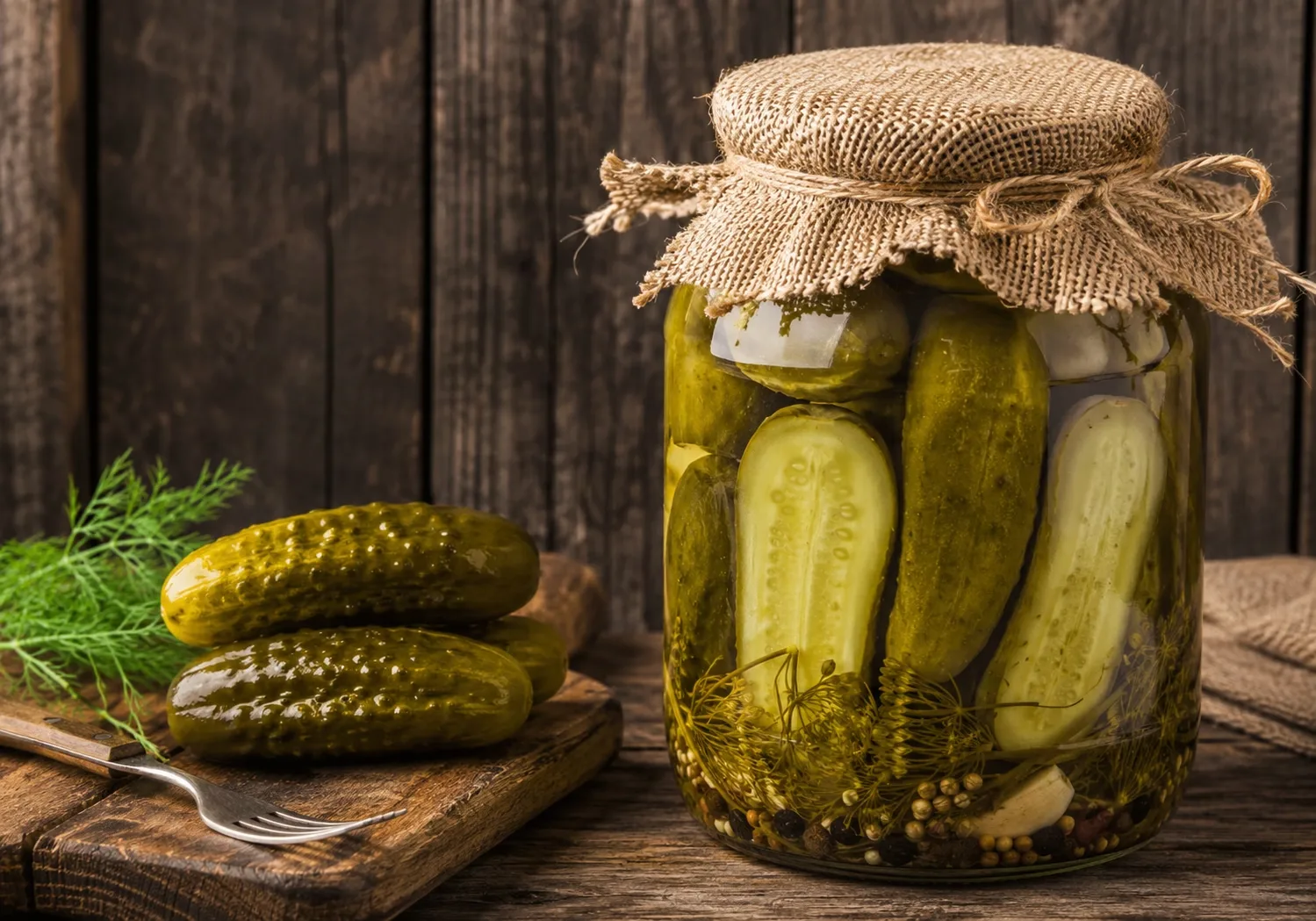 The Return of Fermented Cultures: Why Are Traditional Flavors Rising Again?