

When we think of agriculture, soil, seeds, and sunlight usually come to mind. Yet behind productive farming often stands an invisible hero: the soil microbiome. In recent years, the rapidly developing field of microbiome farming has been opening the doors to a new era in agricultural production. So who are these silent yet powerful actors, and how do they make a difference in farming?
What Is the Soil Microbiome?
The soil microbiome is the collective term for all the microorganisms living in the soil, including bacteria, fungi, archaea, viruses, and protozoa. These organisms:- Form symbiotic relationships with plant roots,
- Enable the breakdown of nutrients,
- Suppress harmful organisms,
- Improve soil structure and water-holding capacity.
What Does Microbiome Farming Aim For?
Unlike the traditional approach of sterilizing soil with chemicals, microbiome farming focuses on supporting and diversifying life beneath the ground. With this method:- Yields are increased,
- Soil fatigue is prevented,
- Systems resilient to climate change are created,
- Dependence on chemicals is reduced.
Application Methods of Microbiome Farming
Microbiome farming is not limited to using microorganisms alone. It is a holistic agricultural strategy. Some key practices include:- Biological Fertilizers (Biofertilizers) These fertilizers contain microorganisms that facilitate the breakdown and uptake of nutrients such as nitrogen and phosphorus by plants.
- Microbial Inoculants This method strengthens soil or seedlings by introducing specific microorganisms. It promotes plant growth, root development, and disease resistance.
- Compost and Compost Tea Rich in organic matter, these products help regulate soil nutrient balance and encourage microbial diversity.
- Soil Resting and Cover Crops These methods prevent soil exhaustion caused by continuous planting, maintain microbial balance, and naturally support nutrient cycling.
Microbiome Farming and the Climate Crisis
Microbiomes are becoming an important tool not only for productivity but also in the fight against climate change. Healthy microbiomes:- Enable carbon to be stored in the soil for longer periods (carbon sequestration),
- Improve water efficiency,
- Increase resistance to environmental stresses such as extreme heat and drought.
Respect for the Soil’s Hidden Power
At Berrak Turşuları, we believe that quality begins not only with the seed but with life in the soil. Therefore, we:- Prioritize microbiome-friendly practices,
- Support local biodiversity by reducing chemical use,
- Develop soil analysis and microbiological improvement methods together with our producer partners.
 What Is Pickle Juice — and What Is It Good For?
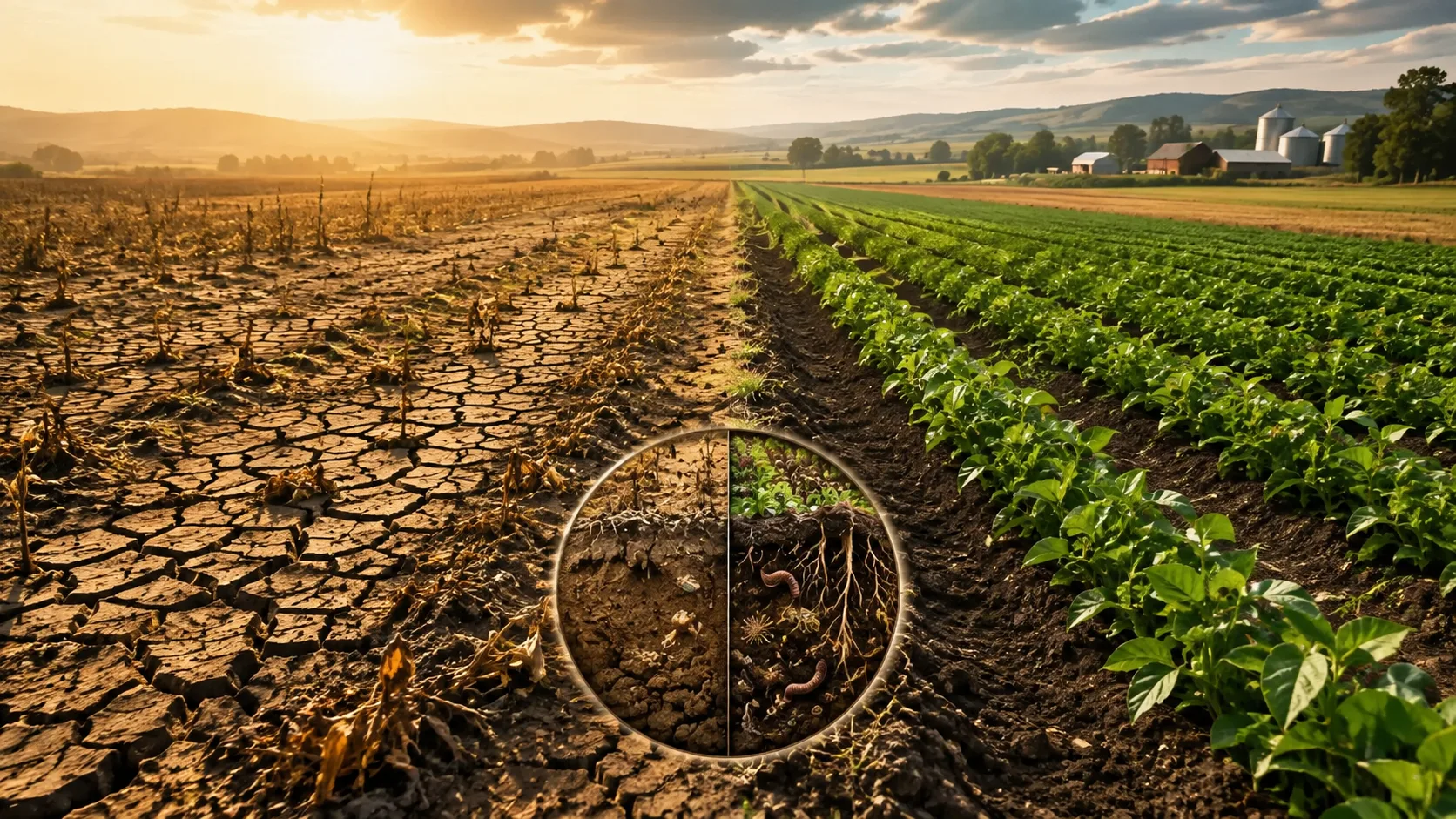 Soil Fatigue: The Silent Threat to Productive Agriculture
 From Clay to Jar, From Steel Tanks to Modern Tables: The Evolving Journey of Pickle
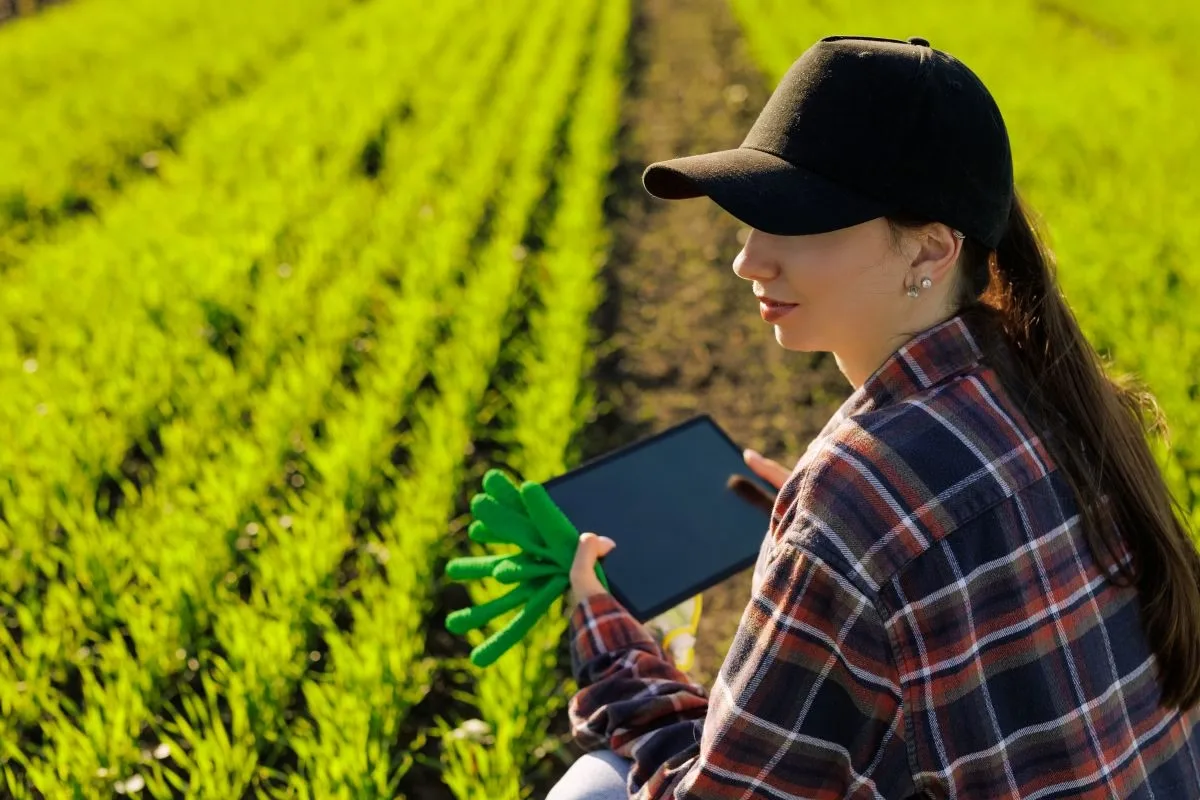 The Farmer’s New Assistant: AI-Powered Agricultural Decisions
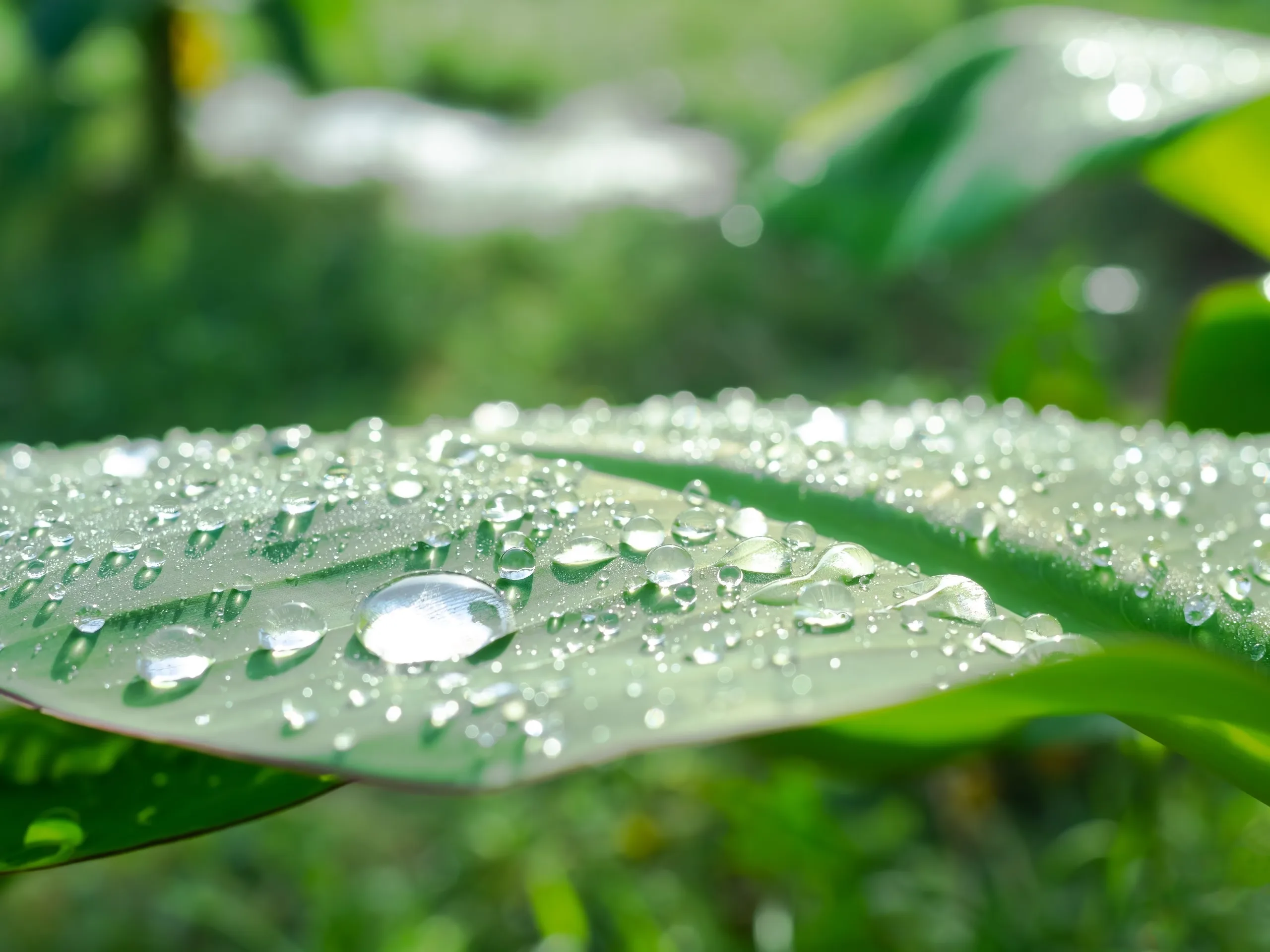 The Journey of a Drop of Water: The Importance of Water Efficiency in Food Production
 The Return of Fermented Cultures: Why Are Traditional Flavors Rising Again?