
The food industry is one of the largest waste-generating sectors in the world. From agricultural production to our tables, millions of tons of food are lost along the way. However, with the growing awareness of sustainability, "circular economy" and "zero-waste" approaches are set to transform the food industry. But is waste-free production really achievable?
What is Circular Economy?
Circular economy, in contrast to the traditional "take, use, dispose" model, emphasizes the efficient use of resources through recycling and reuse. In the food industry, this approach focuses on reducing waste and optimizing the use of existing resources. For instance, using fruit and vegetable peels as animal feed or converting them into biogas are examples of circular economy practices.The Zero-Waste Approach and the Food Industry
Zero waste aims to create a system that minimizes waste generation across all processes, from production to consumption, without harming the environment. In the food industry, the zero-waste approach includes the following steps:- Smart Planning: Efficient use of raw materials and prevention of overproduction.
- Recycling and Reuse: Using organic waste from food production for composting or energy generation.
- By-Product Utilization: Finding alternative uses for by-products in various industries. For example, using coffee grounds in the cosmetics sector.
- Reducing Packaging Waste: Increasing the use of recyclable and biodegradable packaging.
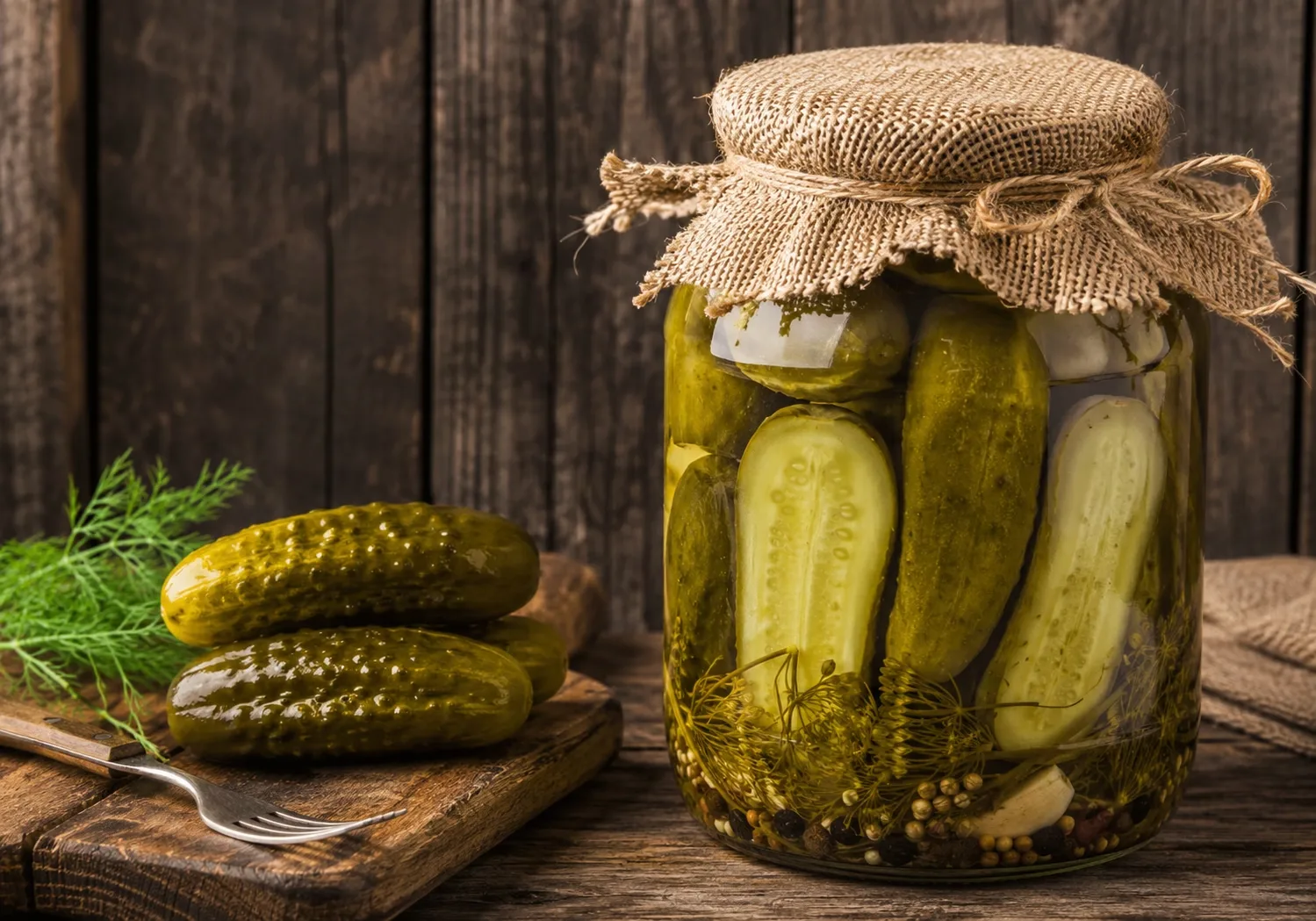
 What Is Pickle Juice — and What Is It Good For?
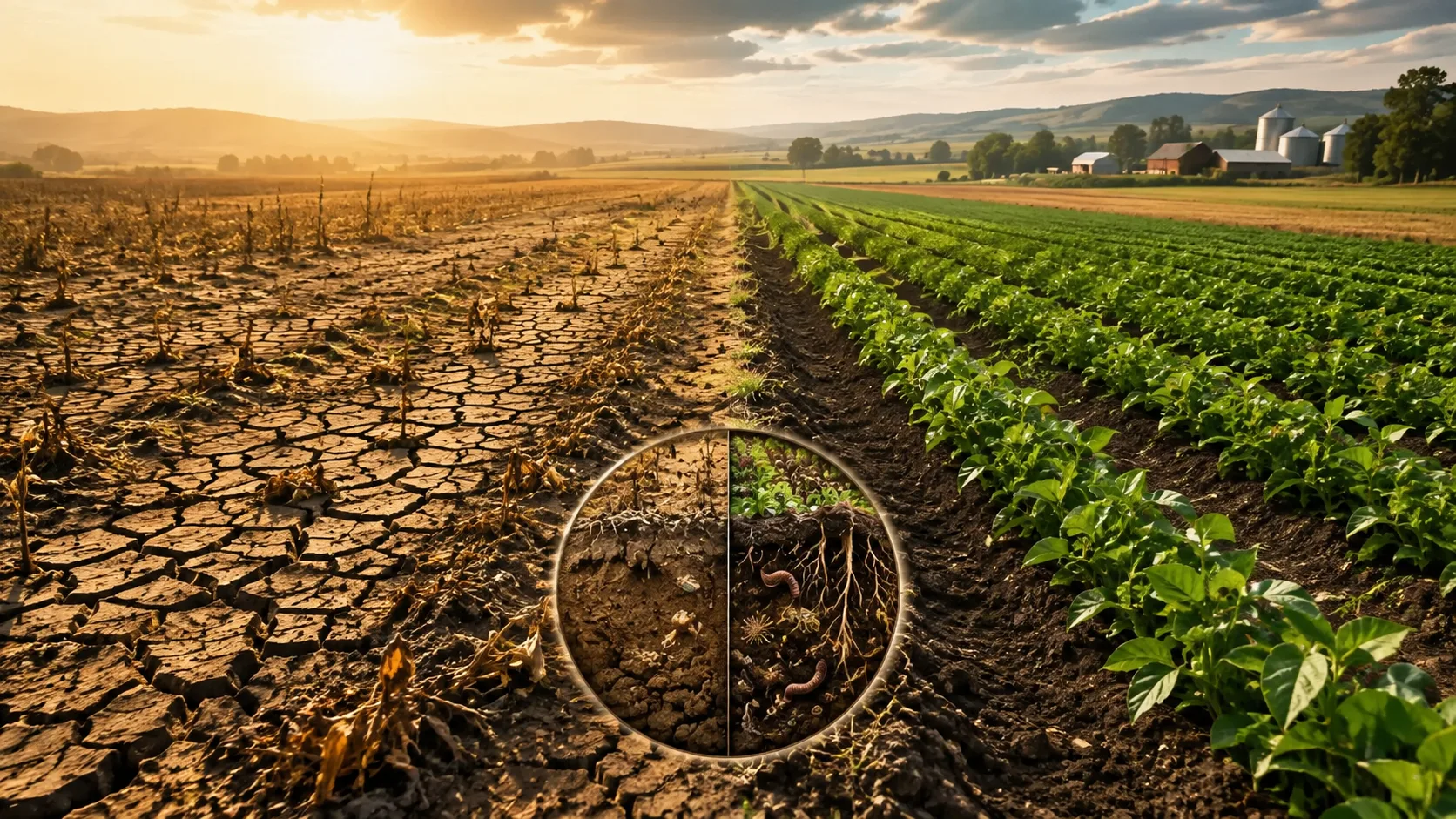 Soil Fatigue: The Silent Threat to Productive Agriculture
 From Clay to Jar, From Steel Tanks to Modern Tables: The Evolving Journey of Pickle
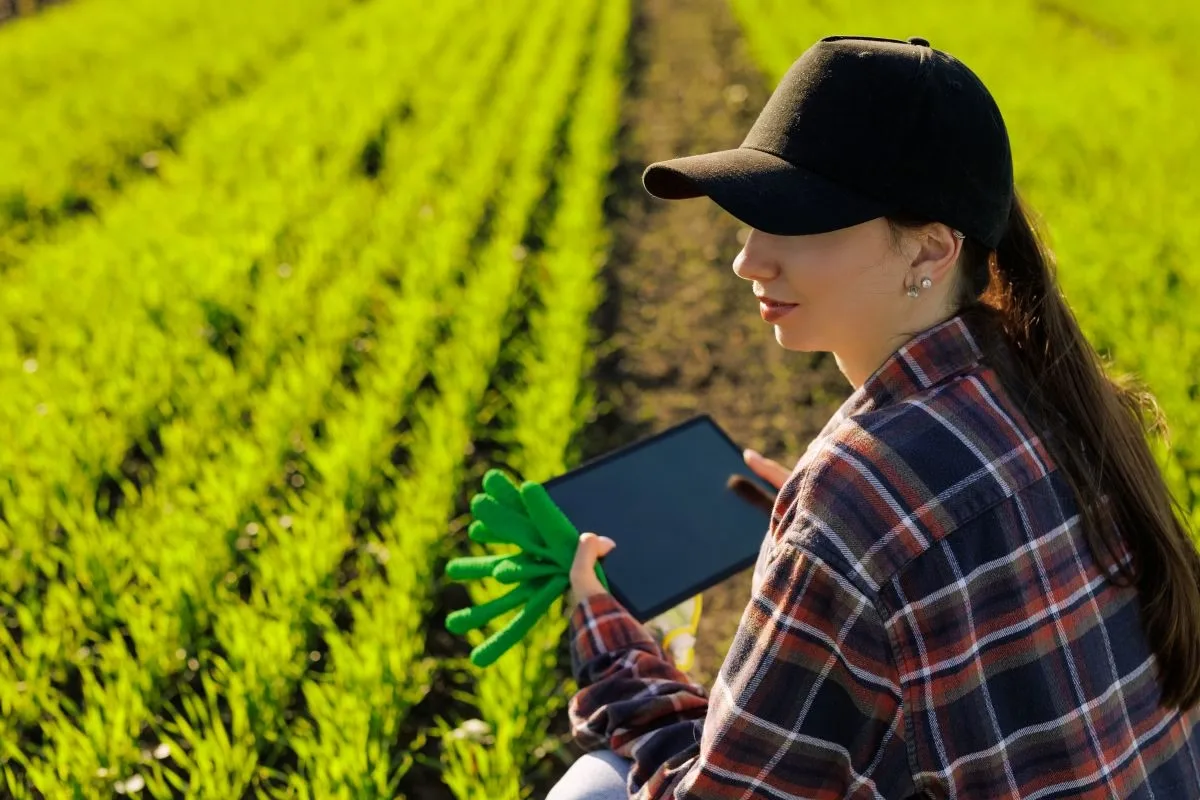 The Farmer’s New Assistant: AI-Powered Agricultural Decisions
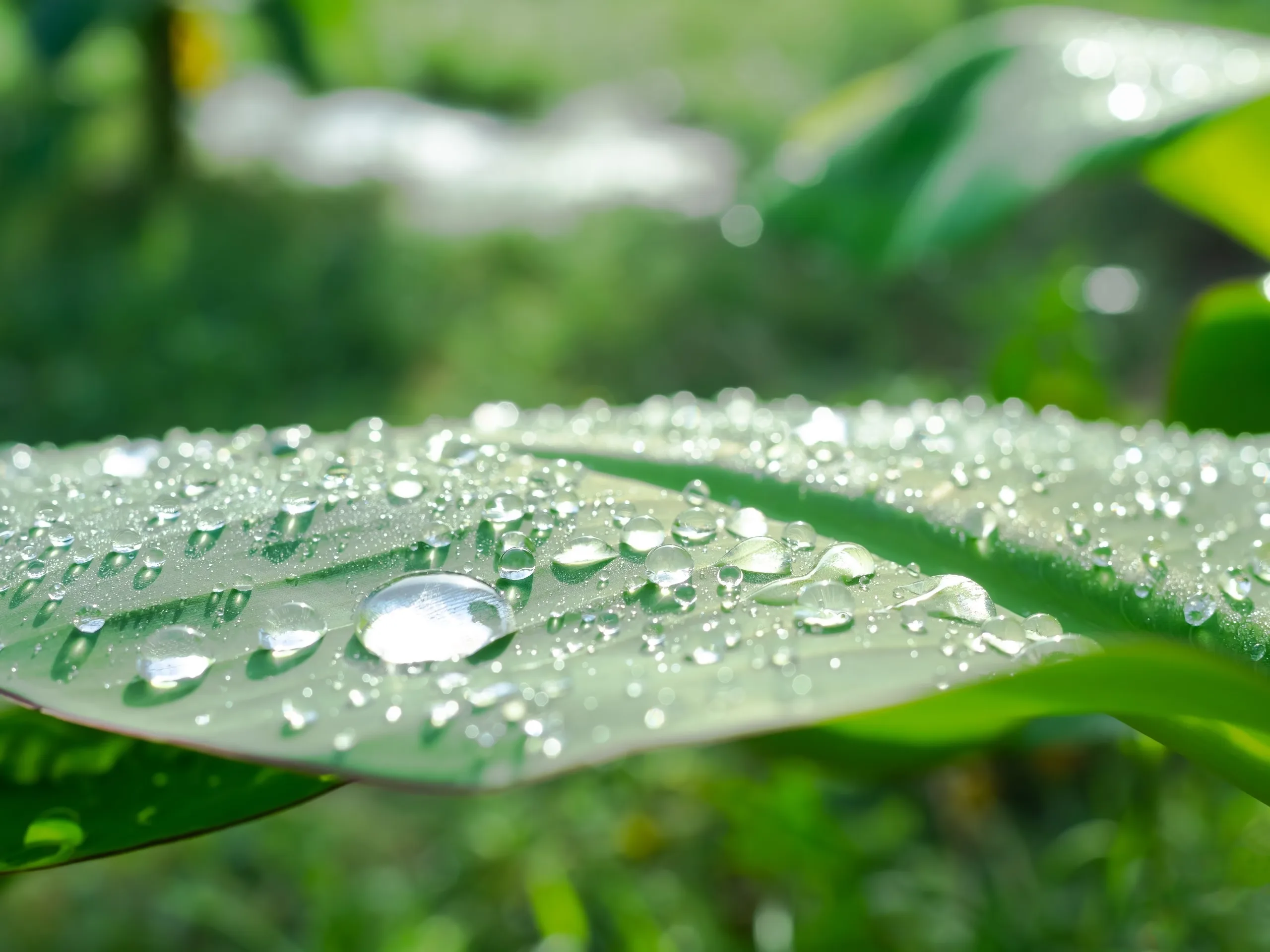 The Journey of a Drop of Water: The Importance of Water Efficiency in Food Production
 The Return of Fermented Cultures: Why Are Traditional Flavors Rising Again?