

Capers grow in places where the Mediterranean climate prevails. It generally grows naturally in Western Anatolia, Tokat and its surroundings in Central Anatolia, and in the Eastern Black Sea and Southeastern provinces in Turkey. Caper plant has a bushy structure, grows upright and horizontally, and is thorny. Capers are very rich in phosphorus, potassium and calcium. This plant, which loves clay soils, usually grows spontaneously on slopes facing the sun, due to its fondness for the sun. There is a lot of vitamin A and protein in flower buds.
According to a study, it was determined that 100g of flower buds contains;
- 67 mg phosphorus
- 9 mg iron
- 24 mg protein
- 12 mg cellulose
- 2 mg of lipid
Benefits of Capers
- Stands out with its pain relieving properties.
- Helps regulate the digestive system.
- Has constipation relieving properties.
- Is a very good diuretic.
- Has expectorant properties.
- Ensures regularity of menstruation.
- Helps kill worms and parasites.
- Is very good for rheumatism pains.
- Reduces the risk of stroke.
- Useful in scurvy disease.
- Good for blood disorders.
- Very useful for gout.
- Has antitumor effects.
- Useful for stomach problems and ulcers.
- Useful for hemorrhoid problem.
- Useful for spleen enlargement.
- Relieves the symptoms of hip disorders and reduces the risks.
- Is among the herbs recommended for increasing the platelet count, especially in cancer patients.
- Regulates liver functions.
- Very good for Multiple Sclerosis (MS) disease.
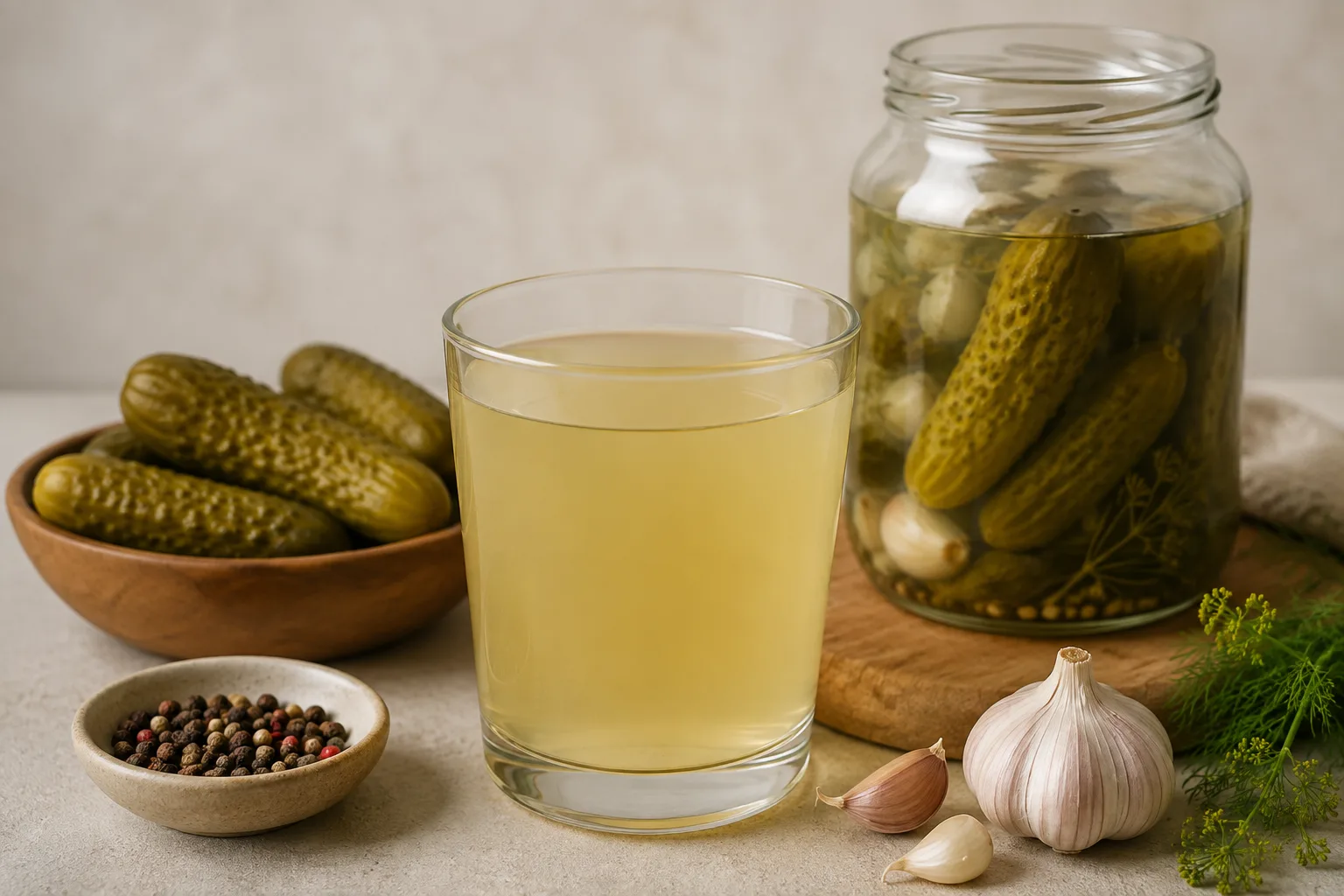 What Is Pickle Juice — and What Is It Good For?
 Soil Fatigue: The Silent Threat to Productive Agriculture
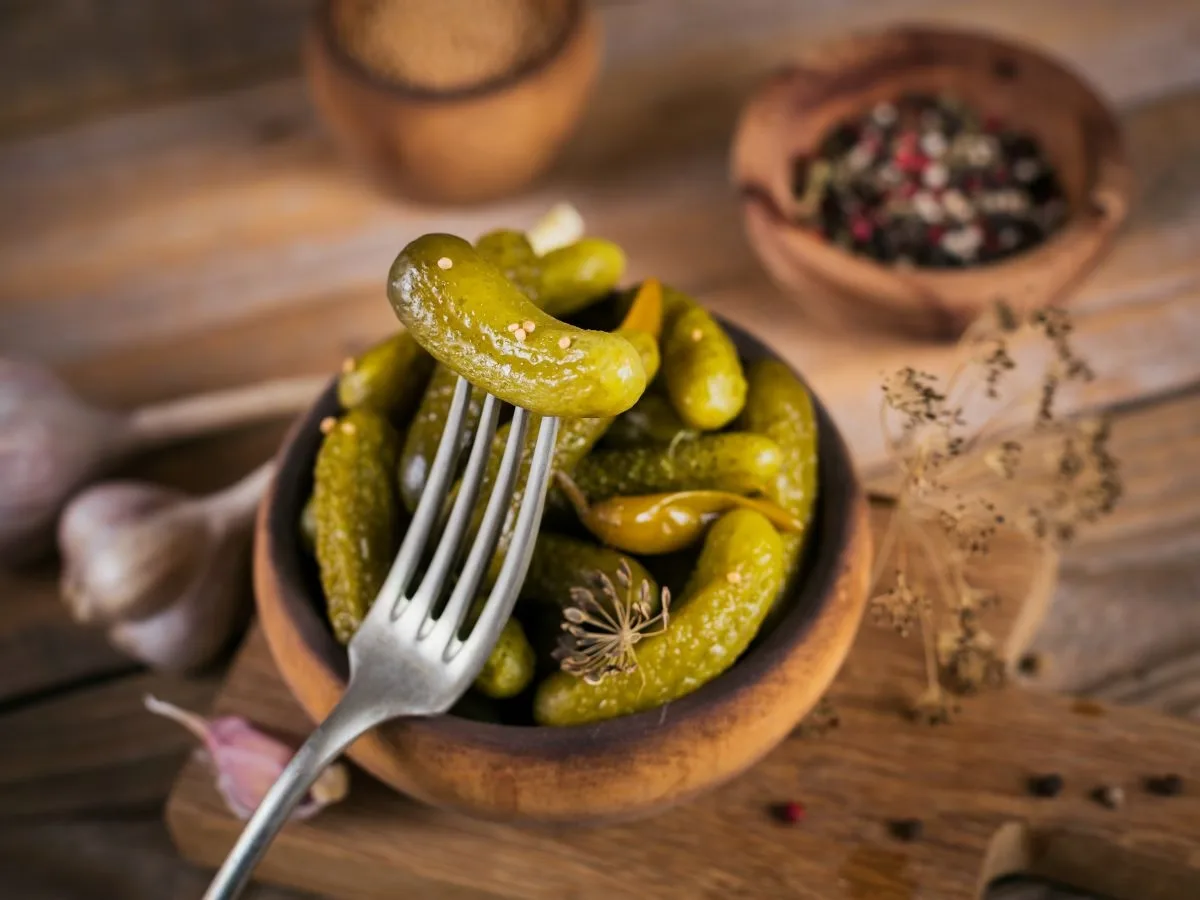 From Clay to Jar, From Steel Tanks to Modern Tables: The Evolving Journey of Pickle
 The Farmer’s New Assistant: AI-Powered Agricultural Decisions
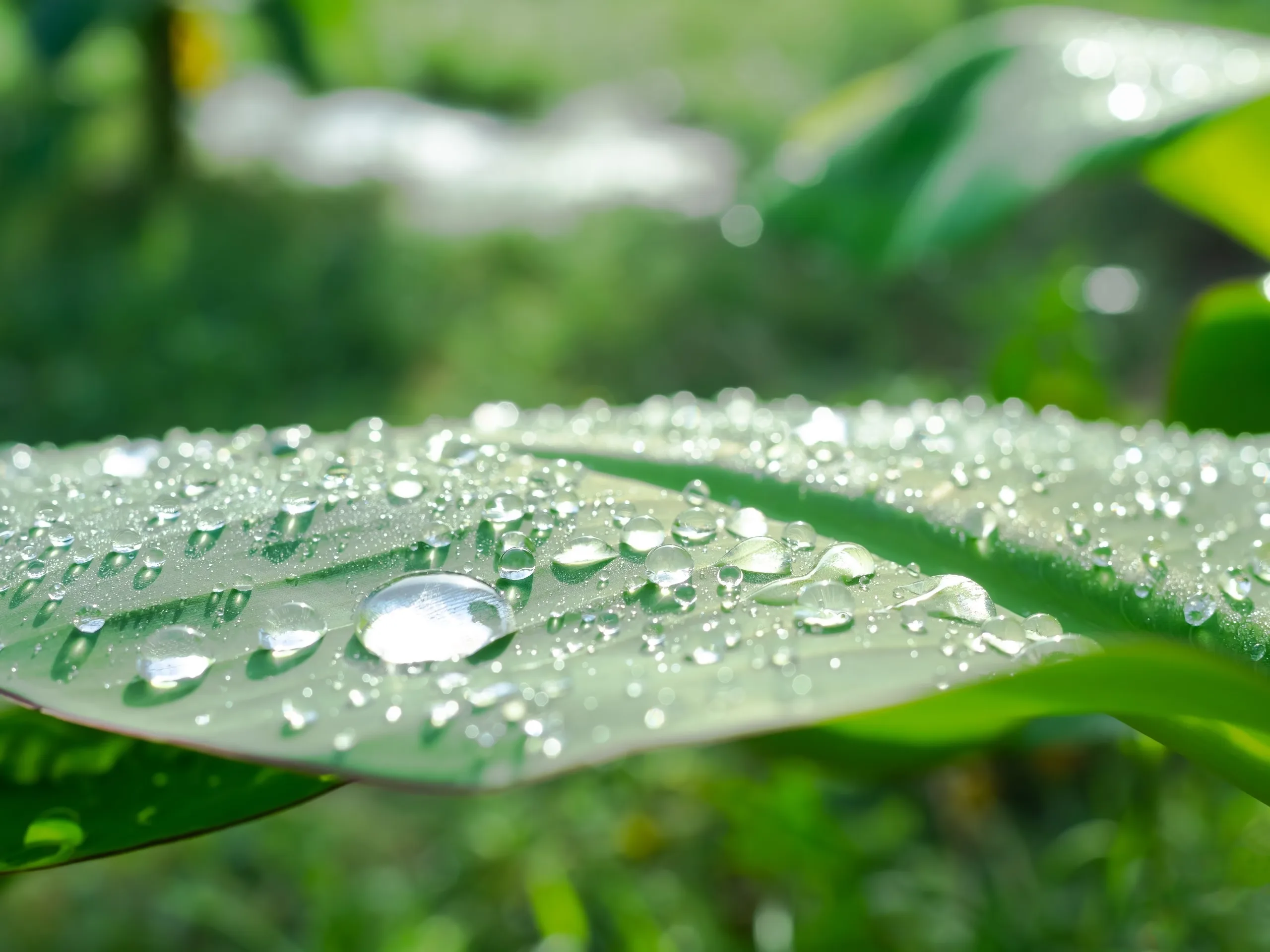 The Journey of a Drop of Water: The Importance of Water Efficiency in Food Production
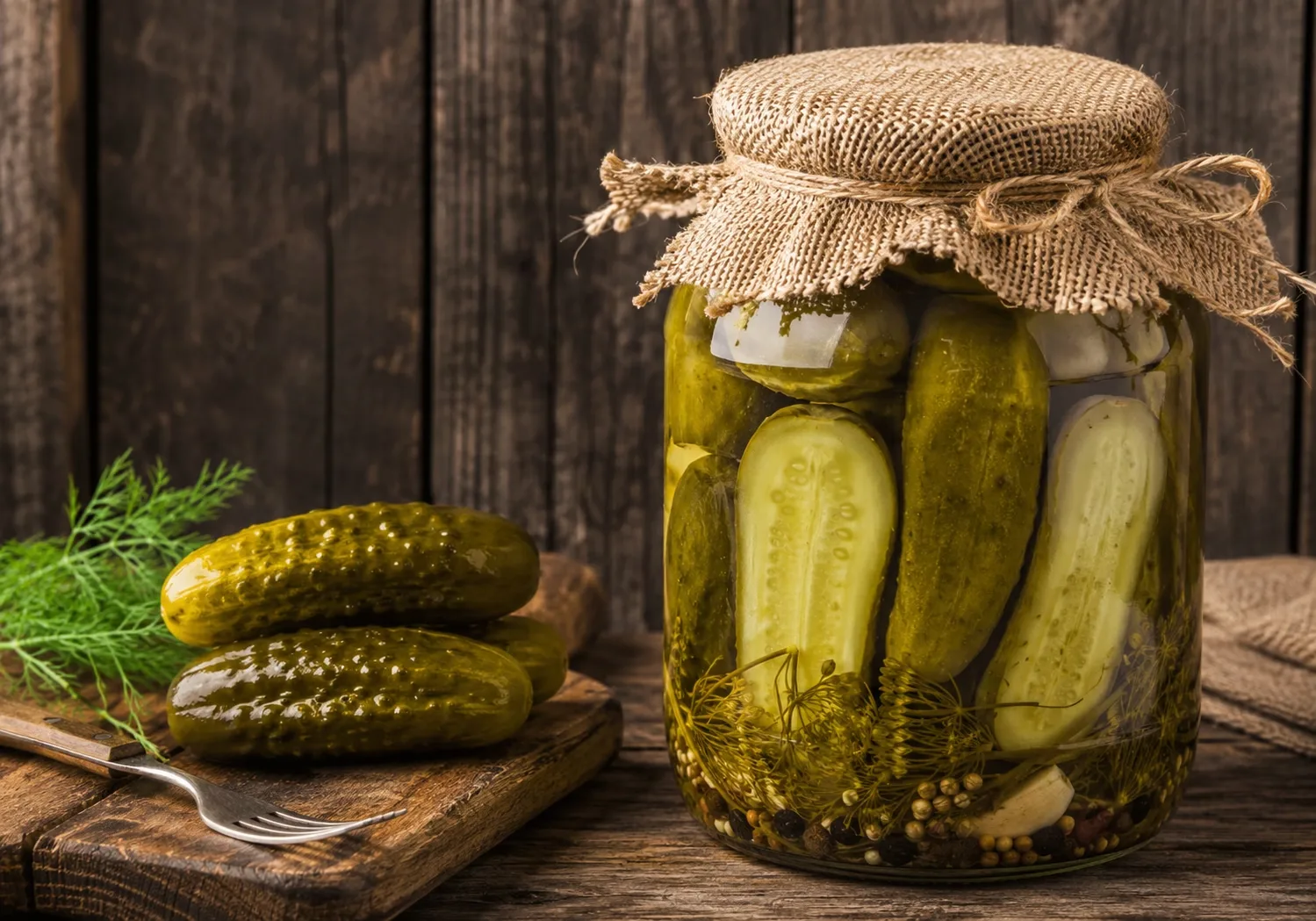 The Return of Fermented Cultures: Why Are Traditional Flavors Rising Again?